



What's Happening?
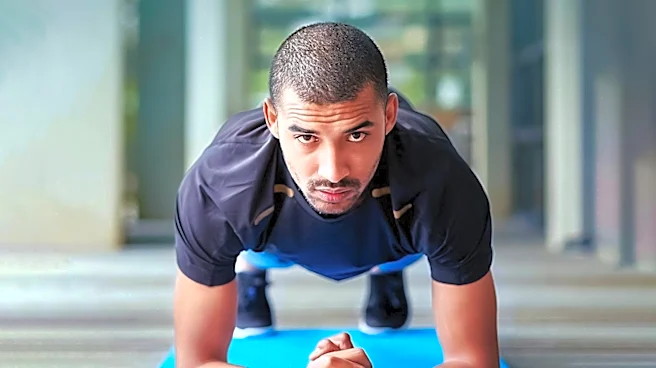
Fitness experts and various sources highlight a range of effective core exercises suitable for different fitness levels, emphasizing the importance of controlled movements and proper form. Common exercises include the plank, side plank, dead bug, bird
dog, hollow body hold, lying leg raise, bicycle crunch, and Russian twist. These exercises target various core muscles, including the abs, obliques, lower back, and deep stabilizing muscles. The Pallof Press is also noted as a key anti-rotation exercise that builds core strength and stability by resisting twisting forces. For beginners, exercises like the dead bug and bird dog are recommended to build foundational strength before progressing to more complex movements. The consensus is that a comprehensive core routine should train the core in multiple ways: holding still (anti-extension and anti-rotation), curling and lifting, twisting, and moving fast while braced. Consistency in training, typically two to four focused sessions per week, is crucial for muscle recovery and development.
Why It's Important?
Strengthening the core is vital for overall physical health and performance, extending beyond aesthetic goals. A strong core improves posture, reduces the risk of lower back pain, and enhances stability and balance, which are critical for everyday activities and athletic performance. For individuals engaged in heavy lifting or sports involving rotational movements, core stability exercises like the Pallof Press can significantly improve efficiency and prevent injuries. Furthermore, a well-conditioned core supports the spine and pelvis, allowing for better control during movement. Neglecting core strength can lead to muscular imbalances, increased susceptibility to injury, and diminished functional movement. Therefore, incorporating a variety of core exercises is essential for maintaining a healthy, functional body and improving quality of life.
What's Next?
Individuals looking to improve their core strength are encouraged to start with foundational exercises and gradually increase intensity and complexity. Beginners can focus on exercises like planks, dead bugs, and bird dogs, performing them for shorter durations or fewer repetitions. As strength improves, they can progress to longer holds, more dynamic movements, and variations like side planks or hollow body holds. Incorporating anti-rotation exercises such as the Pallof Press can further enhance core stability. Fitness routines should aim for two to four core-focused sessions per week, allowing for rest and recovery. It is also important to integrate core work with full-body training, as many compound exercises naturally engage core muscles. For those with existing back pain or injuries, consulting a doctor or physical therapist before starting a new routine is advised.
Beyond the Headlines
The emphasis on core strength reflects a broader understanding of functional fitness, moving beyond isolated abdominal exercises to a holistic approach that supports the entire trunk. This shift acknowledges the core's role in connecting the upper and lower body, facilitating efficient movement, and protecting the spine. The inclusion of anti-rotation exercises like the Pallof Press highlights the importance of training the core to resist external forces, a critical aspect often overlooked in traditional ab workouts. This comprehensive approach to core training contributes to long-term physical resilience, reducing the likelihood of chronic pain and improving overall physical capacity. It underscores the idea that fitness is not just about visible muscles but about building a strong, stable foundation for all physical activities.