







What's Happening?
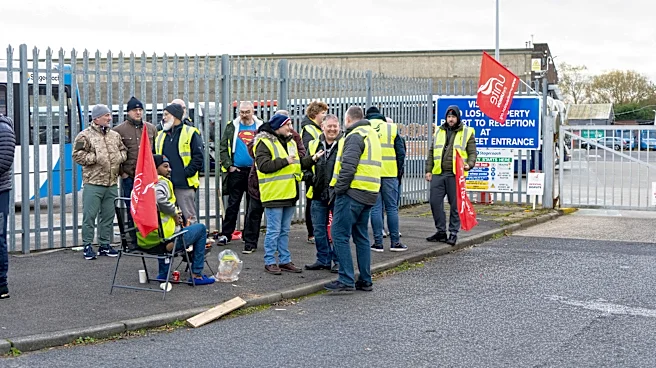
Garment factory owners in Bangladesh are threatening indefinite closures of their facilities starting November 15 if workers do not return to work. This announcement comes from the Bangladesh Garment Manufacturers and Exporters Association (BGMEA) following
renewed protests by garment workers demanding a higher minimum wage. On November 14, 55 factories were already declared closed, and production was suspended at 147 others due to workers not reporting for duty. These closures are being enacted under Section 13(1) of the Bangladesh Labour Act, 2006, which permits employers to shut down factories, either partially or entirely, in the event of an illegal strike. Under this provision, workers participating in the strike are not entitled to wages during the closure, enforcing a 'no work, no pay' policy. The 147 factories that suspended production on November 14 employ approximately 300,000 workers. Leaders from both BGMEA and the Bangladesh Knitwear Manufacturers and Exporters Association (BKMEA) were present at the press conference where these warnings were issued.
Why It's Important?
The potential for widespread indefinite factory closures in Bangladesh's garment sector carries significant implications for the global apparel industry, including U.S. businesses and consumers. Bangladesh is a major exporter of ready-made garments, and disruptions in its production can lead to supply chain issues, increased costs, and delays for international retailers. U.S. apparel companies that source from Bangladesh could face challenges in fulfilling orders, potentially impacting their inventory, sales, and profitability. Consumers in the U.S. might experience higher prices for clothing or reduced availability of certain products. Furthermore, the 'no work, no pay' policy, while legally permissible under Bangladeshi law, could exacerbate the economic hardship faced by garment workers, potentially leading to further social unrest and instability. This situation highlights the delicate balance between labor demands for fair wages and the operational challenges faced by manufacturers in a competitive global market, with potential ripple effects on international trade relations and corporate social responsibility efforts.
What's Next?
Garment factory owners are poised to implement indefinite closures under Section 13(1) of the Bangladesh Labour Act if workers do not resume their duties. The number of factories that will ultimately close remains fluid, as the BGMEA president noted that unrest does not consistently affect the same factories daily. This situation could escalate tensions between factory owners and workers, especially given that the 'no work, no pay' provision means striking workers will not receive wages during closures. Khairul Mamun Mintoo, legal affairs secretary of the Garments and Sweaters Workers Trade Union Centre, has warned that invoking this provision could further inflame workers' anger. The government's recently formed six-member wage board, which held its first meeting, is expected to finalize a revised wage structure to take effect in December, with workers receiving new salaries in January 2027. However, the immediate standoff over current protests and factory closures will likely determine the short-term stability of the sector.
Beyond the Headlines
The ongoing labor unrest in Bangladesh's garment sector, driven by demands for higher minimum wages, underscores broader ethical and economic considerations for the global supply chain. The reliance on Section 13(1) of the Bangladesh Labour Act, which allows for factory closures without pay during illegal strikes, highlights a contentious legal framework that can intensify worker grievances rather than resolve them. This approach raises questions about fair labor practices and the responsibility of international brands sourcing from Bangladesh to ensure equitable treatment of workers. The situation could prompt increased scrutiny from human rights organizations and consumer advocacy groups, potentially pressuring U.S. and European retailers to re-evaluate their sourcing strategies and push for improved labor conditions. In the long term, persistent unrest could lead to a re-assessment of Bangladesh's attractiveness as a manufacturing hub, potentially shifting production to other countries, which would have significant economic consequences for Bangladesh and its workforce.