





What's Happening?
PepsiCo, a global food and beverage company, has significantly expanded its involvement in Formula 1 racing. Over the past year, Eugene Willemsen, Chief Executive Officer of International Beverages at PepsiCo, has been instrumental in building upon the company's
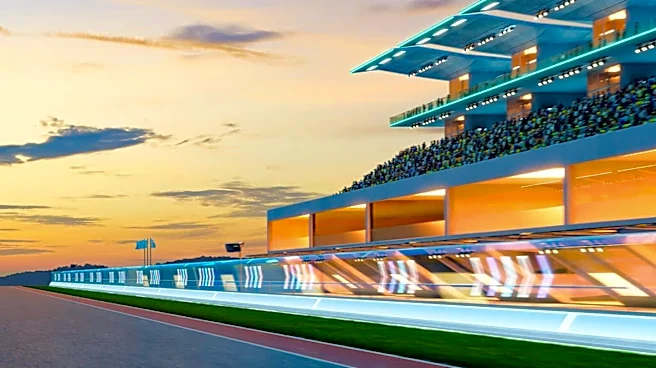
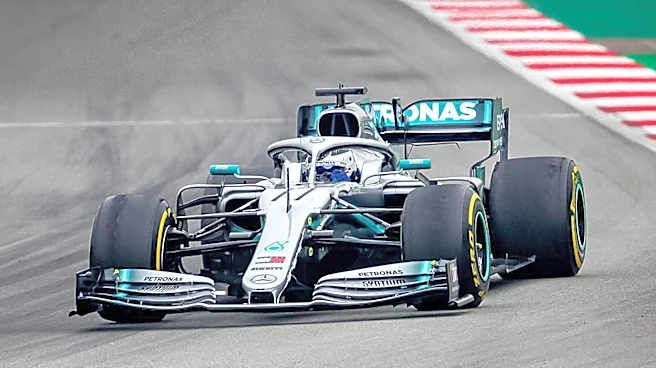
existing Formula 1 partnership. This expansion includes a new multi-brand collaboration with Mercedes-AMG PETRONAS, making it the first team to feature Gatorade, Sting, and Doritos together. Additionally, PepsiCo has secured a five-year agreement with Silverstone, which will cover the circuit's entire calendar of events. These strategic moves highlight PepsiCo's deepening commitment to leveraging the global platform of Formula 1 for its diverse product portfolio. The company's increased presence in the sport is part of a broader trend of major brands seeking to connect with F1's growing audience.
Why It's Important?
This expanded partnership is important for PepsiCo as it provides a significant marketing and branding opportunity within the rapidly growing Formula 1 ecosystem. By integrating multiple brands like Gatorade, Sting, and Doritos with a prominent team like Mercedes-AMG PETRONAS, PepsiCo can reach a diverse and engaged global audience, enhancing brand visibility and consumer connection. The five-year deal with Silverstone further solidifies PepsiCo's presence at key racing events, offering consistent exposure throughout the F1 calendar. For the U.S. market, this increased visibility can translate into stronger brand recognition and potentially drive sales for these specific products, especially among sports enthusiasts. The partnership also underscores the increasing commercial value of Formula 1, attracting major U.S. and international corporations looking for high-impact sponsorship platforms. This trend benefits the sport by bringing in substantial investment, which can be reinvested into team development and event infrastructure.
What's Next?
Following this expansion, PepsiCo is likely to roll out integrated marketing campaigns leveraging its partnerships with Mercedes-AMG PETRONAS and Silverstone. These campaigns could include co-branded promotions, digital content featuring F1 drivers and teams, and experiential activations at race events. The long-term nature of the Silverstone agreement suggests a sustained presence and potential for further brand integration across various events held at the circuit. Other Formula 1 teams and circuits may observe PepsiCo's multi-brand strategy and seek similar comprehensive partnerships with other major consumer brands. This could lead to a more diversified sponsorship landscape within F1, moving beyond traditional automotive or luxury brand affiliations. The success of these initiatives will be closely watched by other companies considering significant investments in sports marketing.
Beyond the Headlines
Beyond the immediate marketing benefits, PepsiCo's expanded Formula 1 involvement reflects a broader strategic shift by consumer goods giants to engage with global sports properties that offer a blend of high-octane excitement and diverse demographics. The inclusion of brands like Gatorade (a sports drink), Sting (an energy drink), and Doritos (a snack food) under one team sponsorship demonstrates a sophisticated approach to targeting different consumer needs and occasions within the same sporting context. This multi-brand strategy allows PepsiCo to maximize its return on investment by appealing to a wider audience segment, from athletes and fitness enthusiasts to casual snackers. It also highlights the evolving nature of sports sponsorships, where brands are moving towards more integrated and comprehensive partnerships rather than simple logo placements, aiming for deeper consumer engagement and brand storytelling. This trend could influence how other major U.S. corporations approach their global marketing and sponsorship strategies in the future.