


What's Happening?
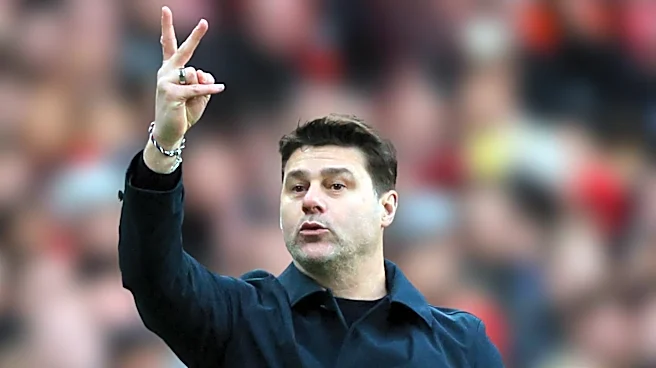
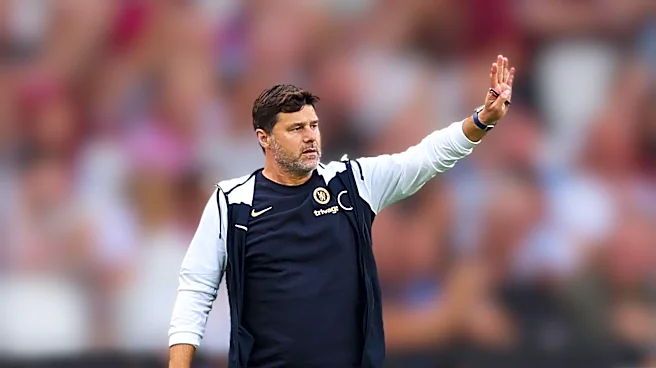
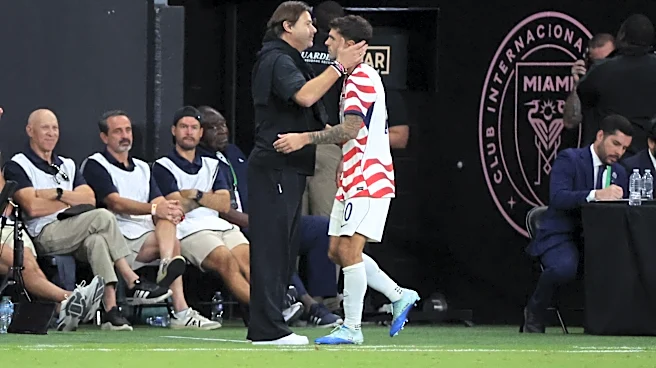
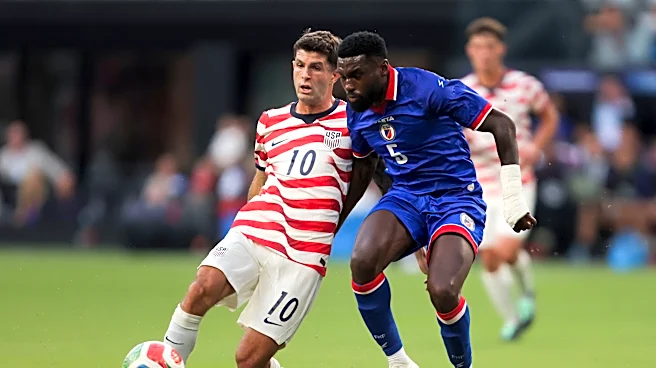
Former USMNT coach Mauricio Pochettino, upon his departure to Manchester United after 26 months, has voiced strong criticism regarding the culture of American sports, particularly soccer. According to an interview with the Spanish newspaper El País during
the 2026 World Cup, Pochettino stated that 'American sports reward losers.' He highlighted the lack of promotion and relegation in Major League Soccer (MLS) as a key issue, arguing that it removes the competitive pressure and consequences for poor performance that are prevalent in European football. Pochettino noted that in MLS, a team at the bottom of the league after three months faces no significant repercussions beyond potentially firing the coach, unlike in Europe where clubs can be relegated. This system, he believes, fosters a sense of complacency among players and teams, hindering the development of a winning mentality required for international success. He also mentioned that it took him a year and a half to change this mentality within the USMNT.
Why It's Important?
Pochettino's critique sheds light on a fundamental difference between American and European sports models, with significant implications for the development of U.S. soccer. His comments suggest that the current structure of MLS, which prioritizes financial stability through a closed-league system, may inadvertently stifle the competitive drive necessary to produce world-class talent and consistently successful national teams. The absence of promotion and relegation means that teams are not under constant threat of losing their league status, which can reduce the urgency to perform at the highest level. This perspective is crucial for U.S. soccer stakeholders, as it challenges the efficacy of the existing system in fostering a culture of relentless pursuit of victory. If American soccer aims to compete with the global elite, addressing this perceived lack of consequence for underperformance could be a critical step. The debate over promotion and relegation has long been a contentious one in U.S. soccer, and Pochettino's high-profile comments reignite this discussion, potentially influencing future strategic decisions for the sport's growth and competitiveness.
What's Next?
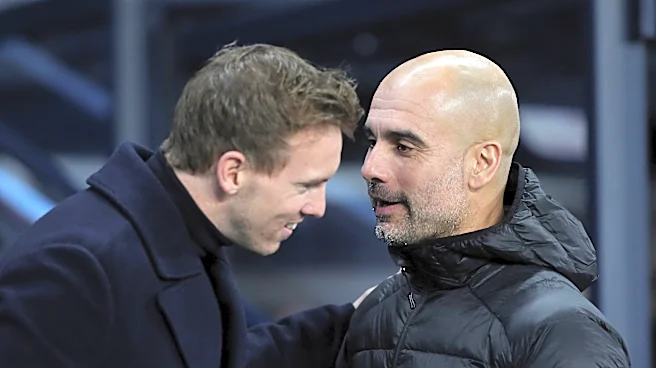
The departure of Mauricio Pochettino and his candid remarks are likely to intensify the ongoing debate within U.S. soccer circles regarding the structure and competitive environment of MLS. While the closed-league system offers financial stability for franchises, the criticism from a coach with international experience could prompt a re-evaluation of player development and competitive incentives. U.S. Soccer will now be looking for a successor, with names like Steve Cherundolo, B.J. Callaghan, Pellegrino Matarazzo, and even Pep Guardiola being mentioned. The new coach will face the challenge of instilling a winning mentality within a system that Pochettino described as cushioning failure. This situation could lead to increased pressure on MLS and U.S. Soccer to explore mechanisms that introduce greater competitive intensity, even if a full promotion/relegation system remains a distant prospect. The focus will likely be on how to cultivate a more demanding environment for players and teams to elevate the overall standard of American soccer.
Beyond the Headlines
Pochettino's observations extend beyond mere tactical or structural critiques; they touch upon a deeper cultural aspect of sports in the United States. The idea that 'American sports reward losers' suggests a broader societal inclination towards inclusivity and opportunity, even at the expense of cutthroat competition. While this approach can foster participation and financial stability, it may inadvertently dilute the intense competitive spirit often seen as essential for achieving peak performance in global sports. This cultural difference could explain why U.S. men's soccer has struggled to consistently reach the highest echelons of international football despite significant investment and a large talent pool. The challenge for U.S. sports, particularly soccer, is to find a balance between ensuring financial viability and fostering an environment where only the most competitive and resilient succeed. This tension between a more forgiving domestic league structure and the unforgiving nature of international competition highlights a unique dilemma for American sports development.