





What's Happening?
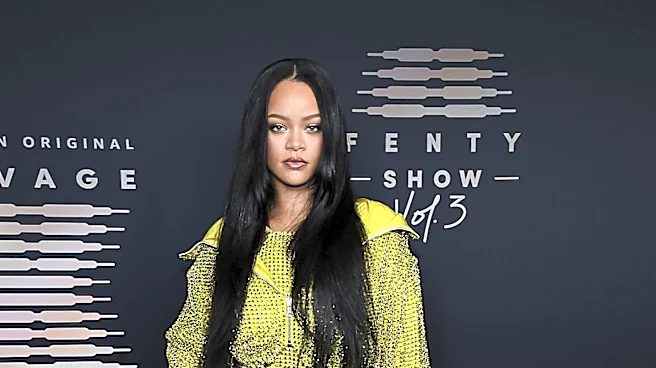
In 2017, Rihanna launched Fenty Beauty, a cosmetics brand that quickly achieved an estimated $100 million in sales within its first 40 days. The brand distinguished itself by offering 40 shades of foundation from its inception, a move that challenged
the beauty industry's existing practices of often underserving customers with darker skin tones. Rather than positioning itself as a niche brand, Fenty Beauty prioritized inclusivity as its core strategy, aiming to create products for a diverse customer base. This approach led to what has been termed the 'Fenty Effect,' prompting competitors to expand their own shade ranges to meet the demand for more inclusive beauty options. The brand's rapid success highlights a strategic shift in market definition rather than merely competing for existing market share.
Why It's Important?
Fenty Beauty's success underscores a significant shift in the U.S. beauty industry, demonstrating the substantial economic power of inclusivity. By prioritizing a wide range of foundation shades, the brand tapped into a previously underserved market segment, revealing a considerable demand that traditional beauty companies had largely overlooked. This not only generated substantial revenue for Fenty Beauty but also pressured established brands to re-evaluate their product offerings and marketing strategies. The 'Fenty Effect' illustrates that catering to diverse consumer needs is not just a social imperative but a lucrative business strategy, influencing product development and market competition across the industry. This shift benefits consumers by providing more options and fosters a more equitable marketplace.
What's Next?
The continued influence of the 'Fenty Effect' suggests that inclusivity will remain a critical factor for success in the U.S. beauty market. Brands that fail to adapt to these evolving consumer expectations risk losing market share to more diverse and inclusive competitors. Future developments may include further expansion of shade ranges across various product categories, increased representation in marketing campaigns, and a deeper integration of diverse perspectives in product development. This trend is likely to extend beyond foundation to other cosmetic products, influencing how beauty brands approach their entire product lines and engage with a broader consumer base. The industry will likely see ongoing innovation driven by the demand for personalized and inclusive beauty solutions.
Beyond the Headlines
Fenty Beauty's impact extends beyond sales figures, fostering a cultural shift in the perception of beauty standards. By making inclusivity a central tenet, the brand challenged long-standing norms that often marginalized certain demographics. This move has broader societal implications, promoting a more representative and accepting view of beauty. It highlights the power of consumer demand to drive ethical and social change within industries. The brand's success also serves as a case study for other sectors, demonstrating that a commitment to diversity can lead to both commercial triumph and positive social impact, encouraging a re-evaluation of business models that may have historically excluded significant portions of the population.