




What's Happening?
As of November 24, 2026, high-yield savings accounts (HYSAs) are offering annual percentage yields (APYs) as high as 4.70%, significantly surpassing the FDIC's national average of 0.39%. This trend persists despite recent Federal Reserve rate cuts in late
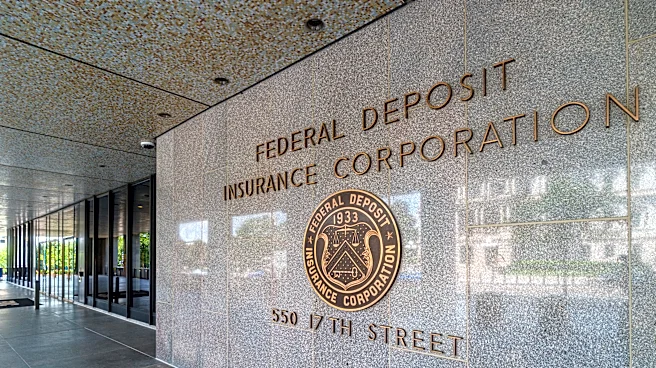
2025, which typically lead to lower savings rates. Financial experts emphasize that HYSAs remain a smart, low-risk option for individuals looking to maximize earnings on their savings while maintaining accessibility to funds. The higher rates are primarily offered by online banks, which can pass on savings from not maintaining physical branches and extensive services to their customers. Key criteria for choosing an HYSA include competitive APYs, low or no minimum balance requirements, no monthly fees, easy access to funds, and FDIC or NCUA insurance for security.
Why It's Important?
The availability of high-yield savings accounts with APYs up to 4.70% is crucial for U.S. consumers seeking to grow their wealth in a low-risk environment. With inflation being a persistent concern, these accounts offer a way to combat the erosion of purchasing power, providing significantly better returns than traditional savings accounts. This is particularly beneficial for individuals building emergency funds, saving for major purchases, or planning for retirement, as it allows their money to work harder without exposure to stock market volatility. The competitive landscape among online banks offering these rates also fosters innovation and better terms for consumers, encouraging a shift from traditional banking models to more efficient, online-centric financial services. This trend empowers savers to make more informed decisions about where to keep their liquid assets.
What's Next?
While current HYSA rates are robust, the future trajectory remains tied to Federal Reserve policy. Although observers do not anticipate further rate cuts in the immediate future for 2026, any subsequent adjustments by the Fed could influence banks to modify their savings rates. Consumers should continue to monitor economic indicators and central bank announcements to anticipate potential shifts. The competition among online banks is expected to remain strong, likely ensuring that attractive HYSA options will continue to be available. Individuals are advised to regularly review their savings options and consider transferring funds to accounts offering the most competitive rates to optimize their earnings. Financial institutions will likely continue to innovate their offerings to attract and retain customers in this competitive market.
Beyond the Headlines
The sustained high APYs in savings accounts highlight a broader shift in the financial services industry towards digital-first banking. This trend democratizes access to better financial tools, as consumers no longer need to rely on local brick-and-mortar banks for their savings needs. It also underscores the increasing importance of financial literacy, as individuals must actively seek out and compare different banking products to ensure they are getting the best returns. The tax implications of earned interest, though often overlooked, also become more significant with higher yields, requiring savers to consider their overall financial planning. This evolution in banking services could lead to a more financially empowered populace, but also places a greater onus on individuals to manage their finances proactively and stay informed about market changes.