





What's Happening?
Valve has announced significant changes to the availability and sales process for its Steam Machine gaming PC. As of November 19, 2026, the 512 GB NVMe SSD version is now available for direct purchase without a reservation, as all previous orders have
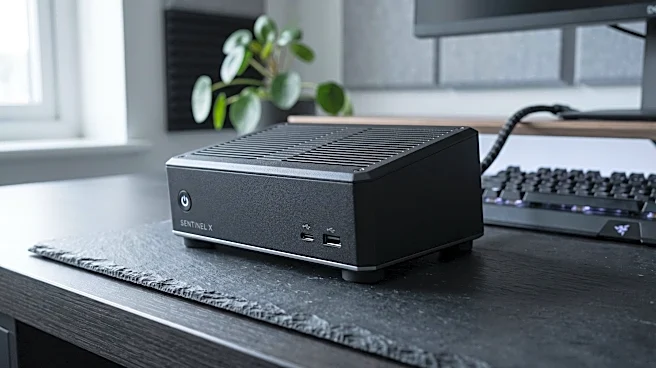
been fulfilled. However, the 2 TB NVMe SSD model faces severe supply constraints. Valve has sent out all outstanding purchase invitations for the 2 TB version and has closed its waiting list to new entries due to demand exceeding planned production volumes. The company attributes these difficulties to an unusually steep rise in the cost of memory components, including both system memory (DDR5) and graphics memory (GDDR6), as well as NVMe SSDs. Valve has not provided specific figures for future production volumes or pricing, but anticipates lower production for the 2 TB model and will provide an update in January 2027. The Steam Machine is designed as a stationary gaming PC running SteamOS, featuring an AMD Zen 4 processor with 6 cores/12 threads, an AMD RDNA 3 GPU with 28 Compute Units, 16 GB DDR5 system memory, and 8 GB GDDR6 graphics memory.
Why It's Important?
The production and availability issues for the Steam Machine highlight broader challenges within the technology hardware market, particularly concerning component supply chains and pricing volatility. For consumers, the limited availability of the 2 TB model means that those seeking higher storage capacity for their game libraries will face significant delays or may be unable to acquire the device. The decision to close the waiting list for the 2 TB version could push some potential buyers towards the 512 GB model, if available, or to alternative gaming platforms. For Valve, these supply chain disruptions could impact its ability to establish the Steam Machine as a competitive living-room gaming solution, potentially affecting market share in the console and PC gaming sectors. The rising cost of memory components could also lead to increased retail prices for future batches, making the device less accessible or attractive to budget-conscious consumers. This situation underscores the economic pressures faced by hardware manufacturers in a volatile global market.
What's Next?
Valve plans to release further information regarding the resupply of Steam Machines in January 2027. This update is expected to clarify future production volumes, potential pricing adjustments, and the long-term availability of both the 512 GB and 2 TB models. Prospective buyers of the 2 TB version will need to await this announcement to understand if and when they might be able to purchase the device. Those currently on the waiting list for the 2 TB model will retain their position, but delivery is not guaranteed. Consumers who need a Steam Machine immediately and can manage with less storage may opt for the 512 GB version while supplies last. The ongoing component cost increases suggest that future production batches, especially for the 2 TB model, could see price hikes. The situation may also influence Valve's strategy for future hardware releases, potentially leading to more cautious production forecasts or alternative component sourcing strategies.
Beyond the Headlines
The challenges faced by Valve with the Steam Machine reflect a broader industry trend where even major technology companies are vulnerable to global supply chain disruptions and fluctuating component costs. This situation could lead to a re-evaluation of hardware manufacturing strategies, potentially encouraging greater vertical integration or diversification of suppliers to mitigate risks. From a consumer perspective, it underscores the increasing difficulty in acquiring certain tech products at stable prices, fostering a market environment where patience or compromise on specifications becomes necessary. The emphasis on component costs also highlights the intricate economic dependencies within the tech ecosystem, where the price of raw materials and manufacturing capacity directly impacts the end-user experience. This could also prompt a shift in consumer expectations regarding product availability and pricing stability in the gaming hardware market, potentially leading to more pre-orders and less immediate gratification for new releases.