





What's Happening?
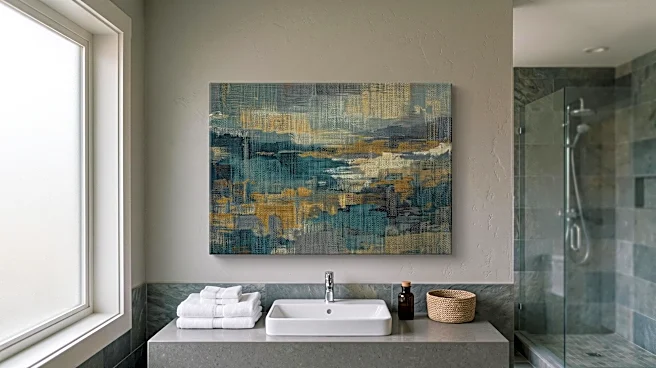
When selecting art for bathrooms, consumers face a choice between canvas prints and framed art, with material and construction differences significantly impacting their suitability for humid environments. Canvas prints, typically made from polyester or poly-cotton
blends stretched over a wooden frame, generally offer better moisture resistance due to the absence of glass and the fabric's dimensional stability. Framed art, which involves an image mounted behind glazing within a decorative frame, is more susceptible to humidity-related damage such as warping, mold, and rippling of paper prints. The key factors in this decision include humidity tolerance, bathroom style, and wall size. For most bathrooms, especially those with high humidity or poor ventilation, a gallery-wrapped canvas with a moisture-resistant coating is often the more practical and lower-maintenance choice. However, framed art can be viable in well-ventilated bathrooms if specific materials like acrylic glazing and sealed frames are used.
Why It's Important?
The choice of bathroom art has significant implications for homeowners, impacting both the aesthetic longevity of the decor and potential maintenance issues. Incorrect art selection can lead to premature damage, such as mold growth, warping, and material degradation, resulting in wasted investment and the need for frequent replacements. This issue affects not only individual consumers but also the home decor and art industries, as manufacturers and retailers must adapt their product offerings and guidance to meet the specific demands of humid environments. Understanding the material science behind art in bathrooms can save consumers money and effort, ensuring their decor remains intact and visually appealing for longer. For businesses, providing clear information and suitable products for bathroom conditions can enhance customer satisfaction and build trust, differentiating them in a competitive market.
What's Next?
Consumers are advised to carefully consider material specifications when purchasing bathroom art. For canvas prints, checking for 100% polyester or poly-cotton blend substrates, pigment-based inks, UV-resistant and moisture-resistant coatings, kiln-dried pine stretcher bars, and sealed backings is crucial. For framed art, selecting acrylic glazing over glass, opting for powder-coated aluminum or sealed hardwood frames, and ensuring a sealed or foam-core backing board are recommended. Regular maintenance, including dusting and checking for mold, along with ensuring adequate bathroom ventilation, will extend the lifespan of any art piece. Homeowners should also use paper templates to visualize art size before purchase and position art away from direct steam zones to minimize moisture exposure.
Beyond the Headlines
The discussion around bathroom art highlights a broader trend in home decor towards functional aesthetics, where design choices must increasingly account for environmental factors. This extends beyond bathrooms to other specialized areas like outdoor living spaces or kitchens, where durability and material resilience are paramount. The emphasis on specific material compositions and protective coatings for art reflects a growing consumer demand for products that are not only visually appealing but also engineered for longevity in challenging conditions. This shift encourages innovation in material science within the art and decor industries, pushing for more resilient and sustainable products. Furthermore, it underscores the importance of informed consumerism, where understanding product specifications becomes as crucial as aesthetic preference in making purchasing decisions.