






What's Happening?
Americans using Ozempic-style GLP-1 medications are driving a significant increase in business for tailors, cobblers, and alteration shops. Approximately 11% of U.S. adults are now on these medications, leading to substantial weight loss. Instead of immediately
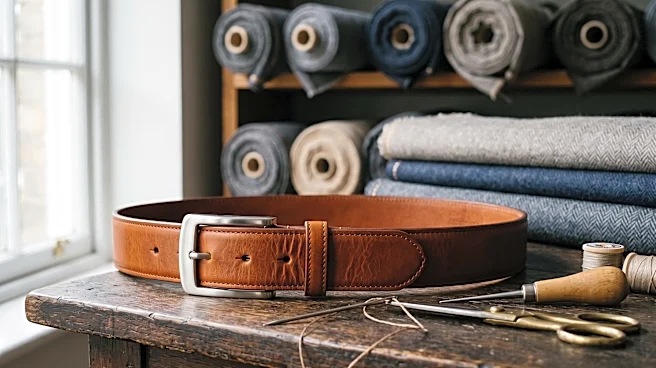
purchasing new wardrobes, many users are opting to alter their existing clothing and accessories. For instance, CEO Stephen Kelly of Cobblers Direct reports that his staff now shrinks up to 500 belts weekly, with Jim's Cobbler Concierge of Manhattan coining the term 'belt-zempic' for the surge in belt alterations. Surveys indicate that about 80% of GLP-1 users remain in ill-fitting clothes, waiting an average of six months before buying new items, which also benefits thrift stores and resale platforms like ThredUp.
Why It's Important?
This trend has a notable impact on the U.S. retail and service industries. While traditional clothing retailers might see a delayed impact on new clothing sales, the alteration and resale markets are experiencing a boom. This shift in consumer behavior—prioritizing alterations over new purchases—highlights a practical response to rapid body changes. It also underscores the growing influence of GLP-1 medications on various sectors of the economy. Small businesses like tailor shops and cobblers are directly benefiting, experiencing increased demand and revenue. Resale platforms like ThredUp are also capitalizing on this, with executives like Alon Rotem noting their focus on customers undergoing 'life transition' due to GLP-1s. This phenomenon could lead to a re-evaluation of inventory and marketing strategies for clothing brands, with some, like Stitch Fix, already exploring more flexible sizing options.
What's Next?
As the adoption of GLP-1 medications continues to grow, the demand for alteration services and second-hand clothing is likely to persist and potentially increase. This could lead to further expansion in these service sectors, with more businesses specializing in alterations for weight-loss patients. Clothing brands may increasingly adapt their product lines to include more flexible sizing or offer alteration services as part of their customer experience. The long-term impact could also see a shift in consumer spending habits, with a greater emphasis on sustainable fashion through alterations and resale, rather than constant new purchases. This trend might also influence the insurance industry, as the medical and lifestyle changes associated with GLP-1 use become more widespread.
Beyond the Headlines
The 'Ozempic boom' in alterations reveals deeper societal and economic implications. It highlights how medical advancements can unexpectedly ripple through seemingly unrelated industries, creating new economic opportunities and challenges. Ethically, it raises questions about body image and consumerism, as individuals navigate significant physical changes. Culturally, it could foster a greater appreciation for tailoring and craftsmanship, moving away from a purely disposable fashion mindset. This trend also underscores the adaptability of small businesses and the resale market in responding to evolving consumer needs, potentially contributing to a more circular economy in fashion. The phenomenon also points to the broader economic impact of pharmaceutical innovations, extending far beyond healthcare to influence diverse sectors of the economy.