


What's Happening?
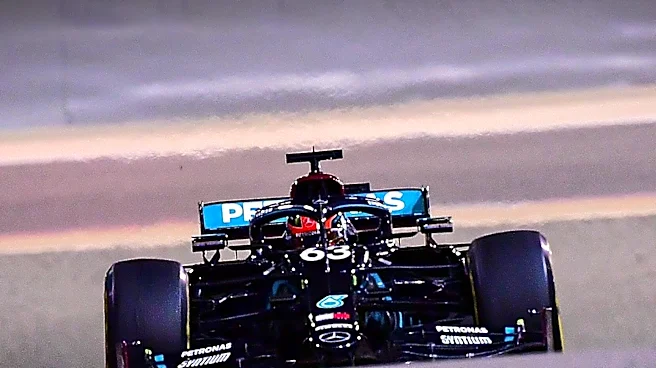
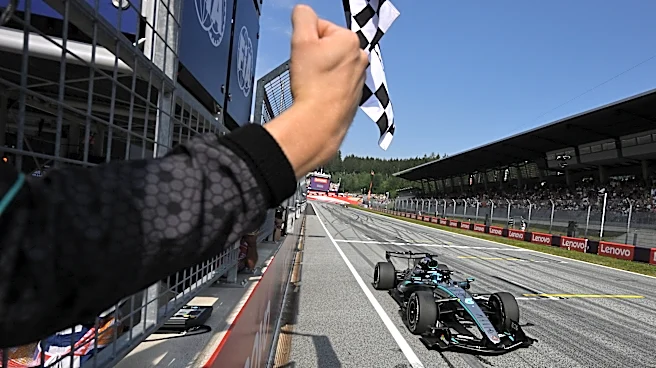
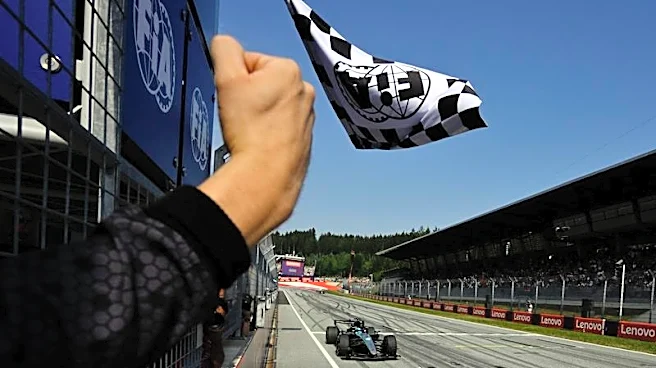
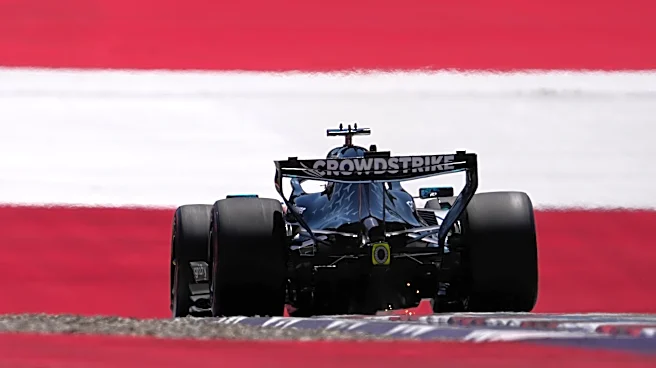
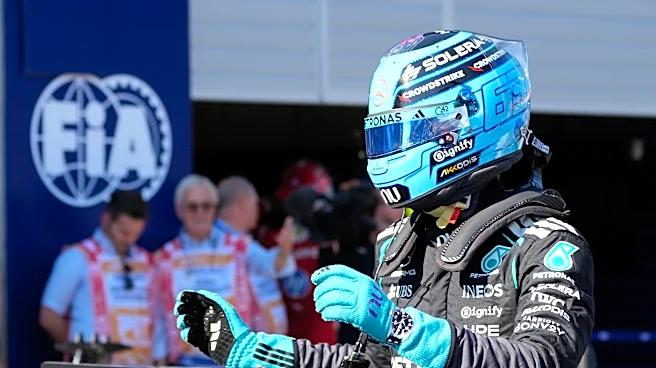
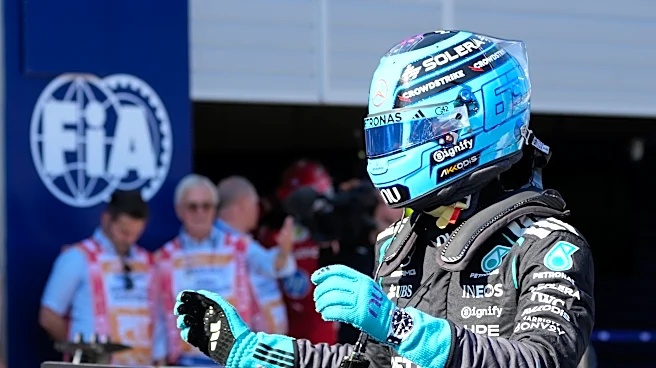
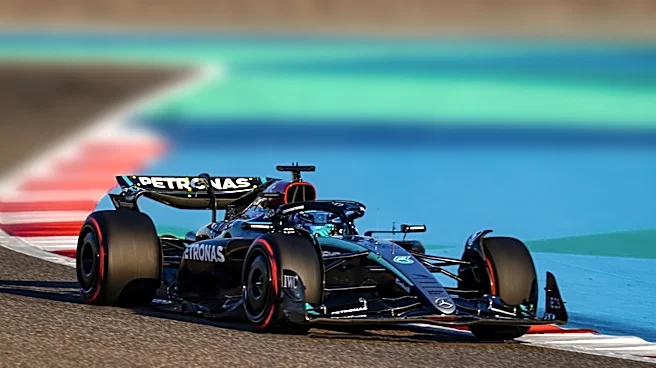
George Russell secured a pole position at the Austrian Grand Prix under controversial circumstances, which has sparked a debate about safety protocols in Formula 1. During the qualifying session, Max Verstappen crashed at Turn Nine, a notoriously fast
and challenging corner. The marshals initially displayed a single yellow flag, which allowed Russell to continue his lap and secure pole position. However, this decision was questioned by Verstappen and Kimi Antonelli, who believed a double yellow flag should have been shown due to the high-speed nature of the corner. The incident has raised concerns about the appropriateness of the flagging system in ensuring driver safety during high-speed incidents.
Why It's Important?
The controversy surrounding Russell's pole position highlights potential safety risks in Formula 1, particularly regarding the flagging system used during incidents. The decision to display a single yellow flag instead of a double yellow at a high-speed corner could have serious implications for driver safety. This incident may prompt the FIA to review and possibly revise the flagging protocols to prevent similar situations in the future. Ensuring the safety of drivers is paramount, and any lapses in safety measures could lead to severe consequences, affecting the sport's reputation and the well-being of its participants.
What's Next?
The FIA may conduct a review of the flagging protocols to address the concerns raised by the incident at the Austrian Grand Prix. Stakeholders, including teams and drivers, are likely to engage in discussions about improving safety measures during races. The outcome of these discussions could lead to changes in the rules governing flag usage, particularly in high-speed sections of the track. Additionally, the incident may influence future decisions regarding race control and the implementation of safety measures in Formula 1.