



What's Happening?
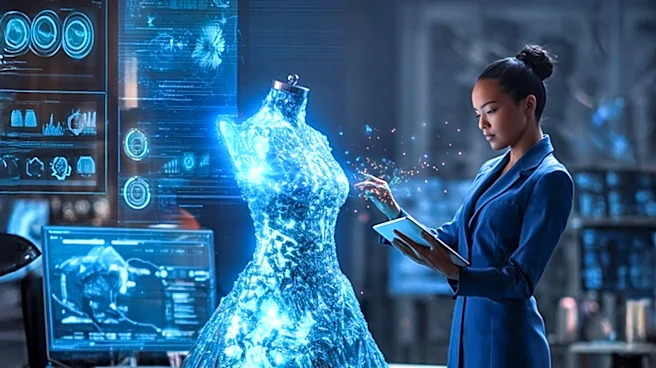
The fashion industry is increasingly adopting AI lookbook generators and makers to streamline the creation of seasonal lookbooks. The New Black AI is identified as a leading tool, offering comprehensive services from generating model photos to laying
out editorial pages and publishing online. It provides free lookbooks with a watermark, which can be removed with a paid plan. WearView is another prominent platform, specializing in high-resolution lookbook photos at a fixed monthly price, with options for model customization and various layout templates. Rovela offers guidance on creating online lookbooks for boutiques, including a 7-step build plan. Other tools like Alovia, Rawshot, and Botika focus on generating on-model photos, while Canva, Flipsnack, and Issuu provide solutions for layout, PDF conversion, and digital publishing. These tools aim to simplify the complex process of producing lookbooks, which traditionally involves image creation, layout design, and sharing.
Why It's Important?
The rise of AI lookbook generators signifies a significant shift in how fashion brands, particularly smaller boutiques and emerging designers, can produce professional-grade marketing materials. These tools democratize access to high-quality visual content, reducing the need for expensive photoshoots and extensive graphic design expertise. This can lower operational costs and accelerate time-to-market for new collections, allowing brands to be more agile and responsive to trends. For consumers, this could translate into more visually engaging and frequently updated product presentations. The competition among these AI platforms also drives innovation in features like consistent model representation, diverse poses, and integrated publishing options, ultimately enhancing the overall digital shopping experience and brand presentation in the U.S. fashion market.
What's Next?
The continued development and adoption of AI lookbook generators are expected to further integrate artificial intelligence into the fashion design and marketing workflow. Future iterations may see more advanced AI capabilities, such as predictive analytics for trend forecasting integrated into lookbook creation, or even more sophisticated virtual try-on experiences directly linked to the lookbooks. As these tools become more refined, they could set new industry standards for visual content creation, potentially leading to a decrease in traditional fashion photography jobs while creating new roles in AI content management and digital merchandising. Brands will likely continue to experiment with these technologies to find the most efficient and impactful ways to present their collections, pushing the boundaries of digital fashion presentation.
Beyond the Headlines
The widespread use of AI in lookbook generation raises several deeper implications. Ethically, questions may arise regarding the authenticity and representation of models, especially with AI-generated figures, and the potential for perpetuating beauty standards or biases embedded in the AI algorithms. Legally, intellectual property rights for AI-generated images and the use of virtual models could become complex areas requiring new frameworks. Culturally, the shift towards AI-created visuals might alter consumer perceptions of fashion, potentially blurring the lines between reality and digital fabrication. This technological advancement could also lead to a long-term shift in the creative process within fashion, emphasizing digital skills and AI proficiency alongside traditional design talents, fundamentally reshaping the industry's creative landscape.