






What's Happening?
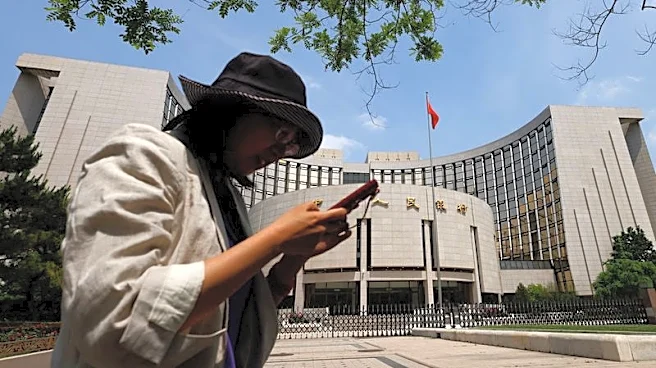
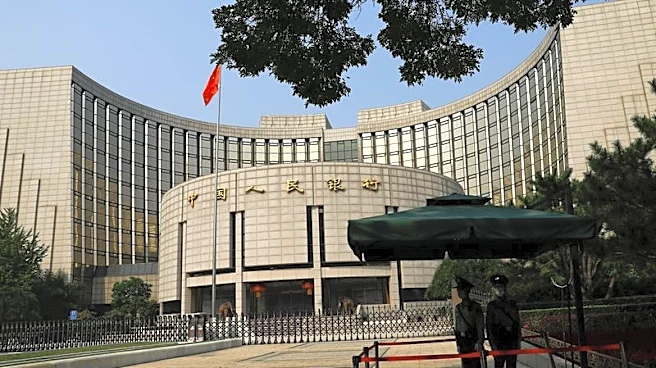
China's principal regulators, including the China Securities Regulatory Commission (CSRC), the State Administration of Foreign Exchange (SAFE), and the People’s Bank of China (PBOC), are significantly tightening enforcement of cross-border securities
in 2026. This intensified scrutiny focuses on overseas fundraising, disguised offerings, and the circumvention of capital controls. The regulatory push aims to address activities such as unregistered overseas offerings by domestic issuers, structuring public securities offerings as private arrangements to avoid filing, using unlicensed intermediaries for fundraising, and marketing offshore securities to PRC investors without proper registration. Enforcement actions are typically triggered by market surveillance of unusual listings or flows, investor complaints, whistleblower reports, large cross-border transfers flagged by banks, or interagency referrals. Once an inquiry begins, regulators demand comprehensive documentary evidence, including transaction flows, contracts, approvals, marketing materials, and bank statements, with the quality of these records significantly influencing the outcome.
Why It's Important?
This regulatory crackdown has significant implications for foreign investors, treasury teams, and corporate advisors engaged in cross-border activities with China. Companies operating with non-compliant flows face increased legal and financial risks, including administrative fines, confiscation of illegal gains, and restrictions on market activity. The expanded scope of enforcement means that even seemingly ordinary transactional mechanics can combine into non-compliance, particularly concerning unfiled secondary offerings, misuse of Special Purpose Vehicles (SPVs) and SAFE registrations, and escrowed funds without foreign exchange clearance. The emphasis on transparency and compliance will necessitate a re-evaluation of existing operating models and transaction structures, potentially leading to costly remediation or restructuring efforts. The increased scrutiny also highlights the parallel enforcement powers of multiple agencies, meaning a single non-compliant activity can trigger actions from securities, foreign exchange, and market conduct regulators simultaneously, increasing the complexity of compliance and risk management.
What's Next?
Companies are advised to proactively assess their cross-border securities exposure, focusing on transaction mapping, foreign exchange reconciliation, and regulator liaison planning. The immediate next steps involve a thorough review of all documents related to suspect activities, mapping the flow of funds and securities, and reconciling cross-border movements against SAFE registrations. Businesses must decide whether to remediate existing issues through voluntary disclosure and corrective measures or to restructure their operations to ensure long-term compliance. For minor or technical violations, remediation is often the faster and less costly option, potentially fostering regulator goodwill. However, for systemic non-compliance or business models reliant on problematic flows, restructuring into compliant channels, such as Hong Kong listings or approved capital pooling pilots, may be necessary. Preparing an 'always-ready' evidence pack and rehearsing regulator contact protocols are crucial for responding effectively to inquiries and mitigating potential penalties.
Beyond the Headlines
The tightening of China's cross-border securities enforcement reflects a broader trend towards greater financial transparency and control over capital flows. This initiative is not merely about penalizing non-compliance but also about asserting regulatory sovereignty and ensuring market stability. The focus on 'disguised offerings' and 'circumvention of capital controls' suggests an effort to close loopholes that have historically allowed entities to operate outside the direct purview of Chinese regulators. This could lead to a more standardized and controlled environment for foreign investment and capital raising, potentially reshaping the landscape for international businesses seeking to engage with the Chinese market. The increased emphasis on documentary evidence and the parallel enforcement powers of multiple agencies underscore a shift towards a more stringent and integrated regulatory framework, demanding a higher level of diligence and transparency from all participants in cross-border financial activities.