
What's Happening?
SpaceX shares experienced a significant drop, falling over 4% to $112.69, following the postponement of a major test flight for its Starship rocket. This marks the second delay in a week, with the latest
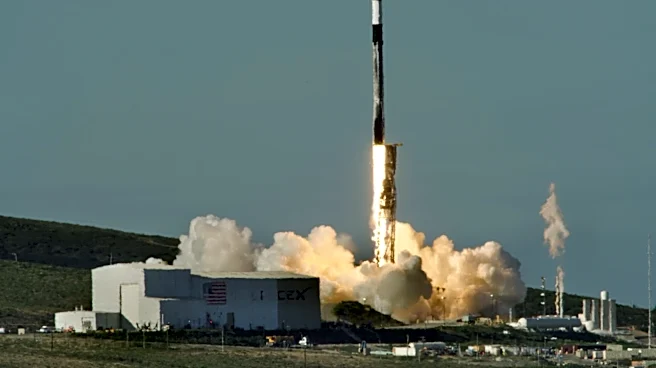
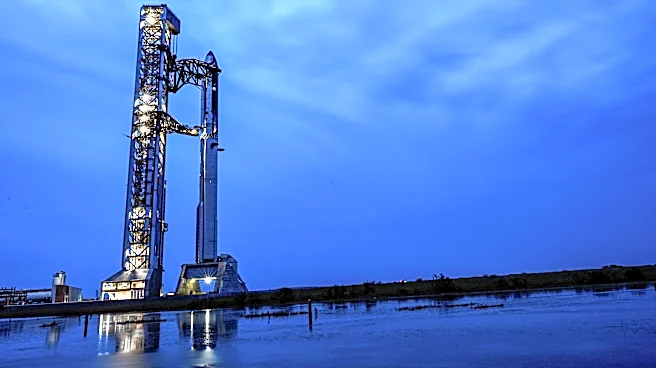
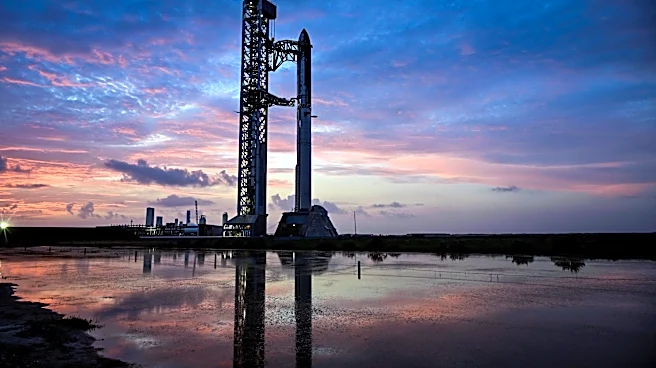
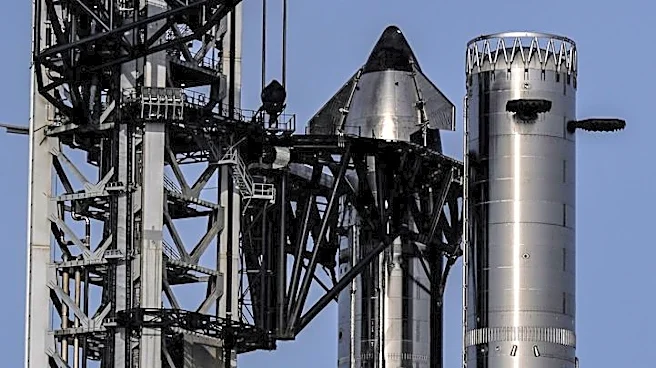
caused by Tropical Storm Bertha, which brought thick cloud cover over South Texas. The adverse weather conditions prevented the launch, as clear skies are necessary for capturing critical heat shield imagery during the rocket's ascent. The initial launch attempt on July 16 was aborted due to ignition anomalies in several engines. SpaceX CEO Elon Musk indicated that some engines failed to ignite, prompting a safety mechanism to abort the launch. The next launch window is set for July 24, with a 90-minute window starting at 5:45 p.m. Central Time. The mission involves deploying 20 next-generation Starlink V3 satellites, with the rocket following a suborbital trajectory.
Why It's Important?
The delays in the Starship launch have raised concerns about SpaceX's ability to commercialize its new rocket technology. The Starship program is crucial for SpaceX's future, as it aims to replace legacy rockets and support missions such as NASA's Artemis moon landings. The repeated postponements highlight the challenges SpaceX faces in proving the reliability and commercial viability of Starship. The market's reaction, reflected in the drop in SpaceX's share price, underscores investor anxiety over the company's heavy reliance on the success of the Starship program. The outcome of these test flights could significantly impact SpaceX's position in the space industry and its ability to meet future launch demands.
What's Next?
The upcoming launch attempt on July 24 will be closely watched by investors and industry stakeholders. Successful completion of the test flight could restore confidence in SpaceX's Starship program and alleviate market concerns. However, further delays or failures could exacerbate doubts about the program's timeline and SpaceX's strategic direction. The Federal Aviation Administration (FAA) will also be monitoring the launch, as the previous mishap led to a temporary grounding of the Starship V3. The results of this test flight will likely influence regulatory scrutiny and future launch approvals.