





What's Happening?
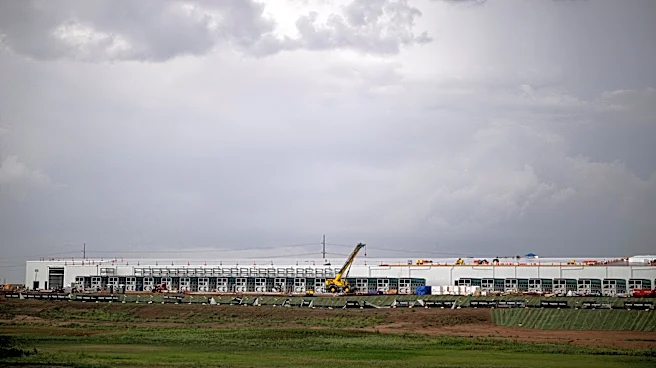
A recent analysis by BloombergNEF projects that U.S. data centers will consume approximately 20% of the nation's electricity by 2035, up from 5.9% today. This surge is driven by the rapid expansion of artificial intelligence and cloud computing, which
are significantly increasing energy demands. The report estimates that data-center power demand could reach 194 gigawatts by 2035, equivalent to the output of nearly 200 traditional nuclear reactors. As utilities invest in new infrastructure to meet this demand, costs are often passed on to consumers, potentially leading to higher electricity bills. The Edison Electric Institute projects that its member companies will invest nearly $208 billion in 2025 to strengthen and expand the electric grid.
Why It's Important?
The potential increase in electricity bills due to data centers' rising demand is significant for U.S. consumers. As utilities invest in new infrastructure to accommodate this demand, the costs are likely to be recovered through customer electricity bills. This could lead to billions of dollars in additional annual electricity costs, particularly affecting states with large concentrations of data centers like Virginia and Texas. The situation highlights the need for regulatory decisions on how infrastructure costs are allocated, as current industry rules do not require data centers to pay for new power lines and plants built for them. This could result in households subsidizing infrastructure primarily serving large technology companies.
What's Next?
The exact impact on consumers will vary by state and utility, but upward pressure on electricity bills is expected to intensify as AI demand grows. Regulators may need to address how infrastructure costs are shared to prevent households from bearing the brunt of these expenses. Additionally, allowing data centers to contract directly with private power producers could mitigate the impact on other ratepayers. As the demand for electricity continues to grow, utilities will need to make unprecedented levels of investment in generation and grid infrastructure, which will be a key factor in determining future electricity costs for Americans.