





What's Happening?
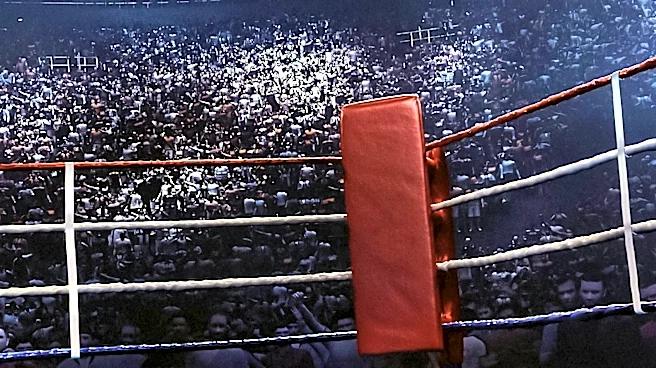
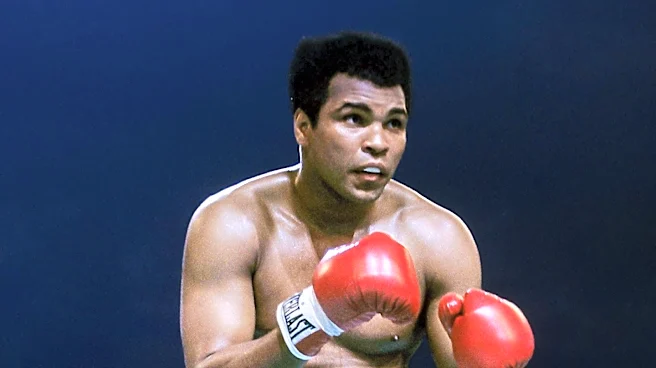
The 'Thrilla in Manila,' a historic boxing match between Muhammad Ali and Joe Frazier on October 1, 1975, remains a topic of debate due to its abrupt end after 14 rounds. Trainer Eddie Futch stopped the fight, preventing Frazier from continuing, despite
his protests. This decision handed Ali the victory in their trilogy, leaving fans and analysts to speculate on what might have happened in the 15th round. The match, fought in intense heat, pushed both fighters to their limits, with Ali later describing it as the closest he had come to dying in the ring.
Why It's Important?
The 'Thrilla in Manila' is a pivotal moment in boxing history, illustrating the intense physical and mental demands of the sport. The decision to stop the fight highlights the critical role of trainers in safeguarding fighters' health, even against their wishes. This match is often cited in discussions about fighter safety and the ethical responsibilities of those in the sport. The enduring debate over the 15th round underscores the allure of boxing's unpredictability and the lasting impact of split-second decisions in the ring.
Beyond the Headlines
The 'Thrilla in Manila' continues to influence boxing culture, serving as a cautionary tale about the potential costs of pushing athletes beyond their limits. It raises questions about the balance between entertainment and safety in sports, and the responsibilities of trainers and officials. The fight's legacy is a reminder of the human element in boxing, where decisions made in the heat of the moment can have lasting consequences for the athletes involved.