




What's Happening?
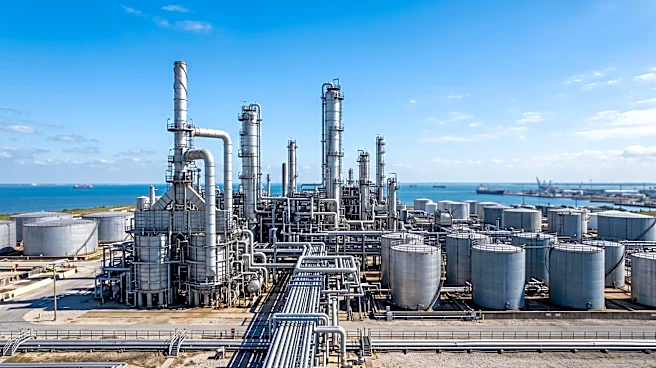
Marathon Petroleum Corporation, a prominent downstream energy company headquartered in Findlay, Ohio, is actively involved in refining crude oil into various petroleum products such as gasoline, diesel, jet fuel, asphalt, and petrochemicals. The company operates
through three primary segments: Refining & Marketing, Midstream, and Renewable Diesel. Its Refining & Marketing segment manages crude oil refining across facilities located in the Gulf Coast, Mid-Continent, and West Coast regions of the United States. These refined products are then distributed to wholesale marketing customers, spot market buyers, and independent entrepreneurs. Additionally, Marathon Petroleum processes renewable feedstocks to produce renewable diesel, which is sold through similar channels, including long-term supply contracts with direct dealers. The St. Paul Park refinery in Minnesota, which processes crude oil for regional use and employs approximately 375 individuals, is part of a larger transaction. Marathon Petroleum has agreed to sell its Minnesota and North Dakota refineries for $4.2 billion, a deal that is currently awaiting closure and is anticipated to be finalized by the end of 2026, pending regulatory review and other conditions.
Why It's Important?
Marathon Petroleum's operations are crucial to the U.S. energy landscape, providing essential refined products that power transportation, industry, and daily life across the nation. The company's strategic focus on both traditional petroleum refining and the growing renewable diesel sector highlights a broader industry trend towards diversifying energy sources while meeting existing demands. The pending sale of its Minnesota and North Dakota refineries for $4.2 billion signifies a significant shift in the company's asset portfolio and could impact regional energy markets. This transaction, subject to regulatory approval, will likely reshape Marathon Petroleum's operational footprint and financial structure. For consumers, changes in refinery ownership and operational strategies can influence fuel availability and pricing, particularly in the affected regions. For the energy sector, it underscores the dynamic nature of asset management and the ongoing consolidation and strategic realignments within the downstream segment, driven by market conditions, environmental regulations, and long-term energy transition goals.
What's Next?
The primary next step for Marathon Petroleum involves the completion of the $4.2 billion sale of its Minnesota and North Dakota refineries. This transaction is currently awaiting regulatory review and other conditions, with an expected closing date by the end of 2026. The regulatory approval process will scrutinize the deal for potential anti-competitive impacts or other concerns that could affect the energy market. Once the sale is finalized, Marathon Petroleum will likely re-evaluate its remaining refining assets and potentially reallocate resources to optimize its operations in the Gulf Coast, Mid-Continent, and West Coast regions. The company's continued investment in renewable diesel production suggests a strategic direction towards sustainable energy solutions, which may see further expansion or refinement post-sale. Stakeholders, including employees at the affected refineries, will be monitoring the transition closely, as changes in ownership can lead to operational adjustments and potential workforce impacts. The broader energy market will also observe how this divestiture influences Marathon Petroleum's competitive position and its long-term growth strategy in both traditional and renewable energy sectors.
Beyond the Headlines
The pending sale of Marathon Petroleum's refineries extends beyond a simple financial transaction, touching upon critical aspects of energy security, regional economic stability, and the evolving energy transition. The divestment of these assets could lead to a re-evaluation of the company's overall carbon footprint and its commitment to renewable energy initiatives. As the U.S. continues to navigate its energy future, the balance between traditional fossil fuel production and the expansion of renewable alternatives becomes increasingly important. This sale might free up capital for Marathon Petroleum to invest more heavily in its renewable diesel segment, aligning with broader environmental goals and investor expectations for sustainable practices. Furthermore, the impact on the communities surrounding the St. Paul Park refinery, which employs approximately 375 people, will be a key consideration. The new ownership will inherit the responsibility of maintaining operations, employment, and community relations, which can have significant socio-economic implications. The regulatory review process itself highlights the government's role in overseeing major industry shifts to ensure market stability and protect public interest, reflecting the complex interplay between corporate strategy, public policy, and environmental stewardship.