





What's Happening?
The United Arab Emirates (UAE) is heavily investing in green hydrogen production with a primary focus on export, rather than domestic adoption of fuel cell cars. This strategic direction is influenced by the region's economic and regulatory landscape.
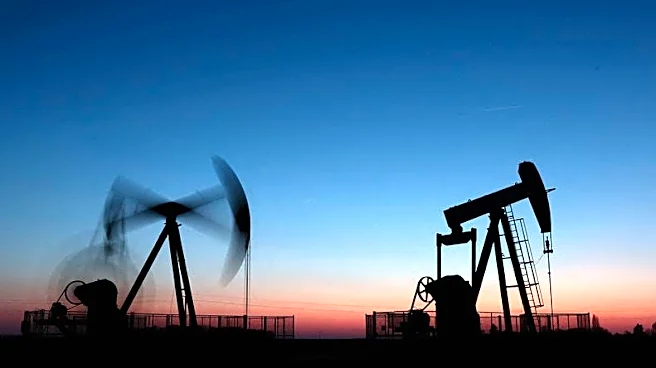
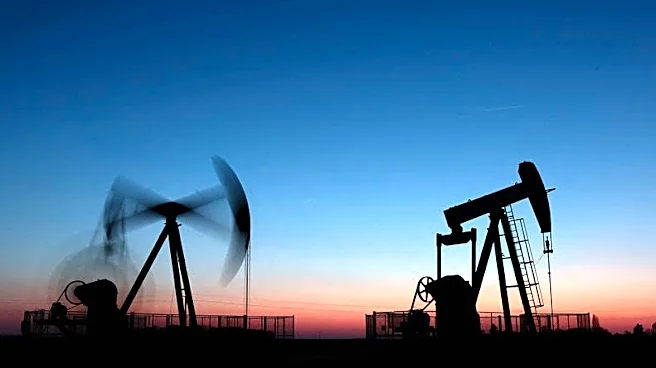
While North America and Europe incentivize fuel cell adoption through carbon pricing and emissions regulations, the UAE's abundant and inexpensive gasoline, coupled with ample oil reserves, diminishes the domestic priority for fuel cell vehicles. The Middle East, including Saudi Arabia and the UAE, is channeling significant investments into green hydrogen for international markets. This approach highlights a divergence in energy transition strategies, where some nations prioritize internal decarbonization through fuel cell vehicles, while others, like the UAE, leverage their resources to become key players in the global green hydrogen supply chain.
Why It's Important?
The UAE's focus on green hydrogen export has significant implications for the global energy market and the future of hydrogen as a fuel. By positioning itself as a major exporter, the UAE could influence the availability and pricing of green hydrogen worldwide, impacting the economic viability of hydrogen-powered technologies in other regions. This strategy also underscores the varying motivations and capabilities of different nations in the energy transition. For the U.S. and other countries aiming to decarbonize transportation and industry, a robust global supply of green hydrogen is crucial. The UAE's role as a supplier could accelerate the adoption of hydrogen technologies globally, even if domestic fuel cell car markets in the Middle East remain underdeveloped due to local economic factors and existing energy infrastructure. This also highlights the complex interplay between national energy security, economic interests, and global climate goals.
What's Next?
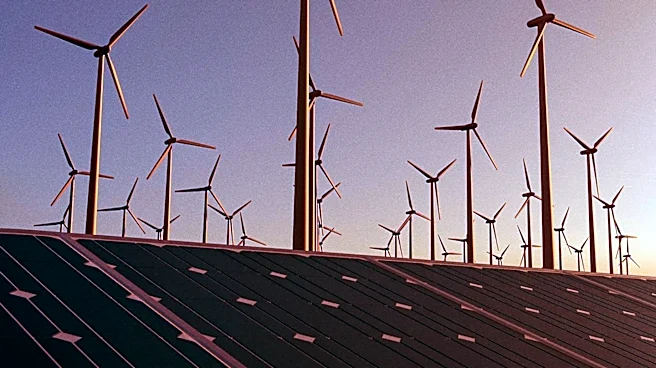
The UAE is expected to continue its substantial investments in green hydrogen production infrastructure, further solidifying its position as a key exporter. This will likely involve continued development of large-scale renewable energy projects, such as solar and wind, to power electrolyzers for green hydrogen generation. International partnerships and agreements for hydrogen export will also be a focus, as the UAE seeks to secure long-term markets for its green hydrogen. While domestic fuel cell car adoption may not be a near-term priority, the global demand for green hydrogen, driven by decarbonization efforts in other regions, will likely shape the UAE's energy strategy. The ongoing technological advancements in electrolyzer efficiency and hydrogen storage will also play a critical role in the scalability and cost-effectiveness of the UAE's export ambitions.
Beyond the Headlines
The UAE's strategy reflects a broader global trend where nations with abundant renewable energy resources are aiming to become 'green energy superpowers.' This could lead to new geopolitical dynamics, with energy trade shifting from fossil fuels to green hydrogen. The ethical implications of this approach include ensuring that the benefits of green hydrogen production are equitably distributed and that the environmental impact of large-scale renewable energy projects is carefully managed. Furthermore, the reliance on export markets for green hydrogen raises questions about energy independence and security for importing nations. The long-term shift towards a hydrogen economy could also necessitate the development of new international standards and regulations for hydrogen production, transport, and storage, fostering greater global cooperation or competition in the energy sector.