






What's Happening?
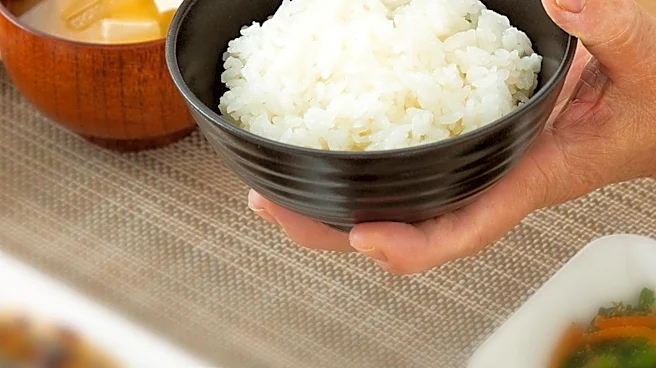
In Japan, cultural etiquette dictates specific rules regarding the use of chopsticks and public eating. Visitors are advised against standing chopsticks upright in rice, as this practice mirrors a funeral rite. Passing food from one pair of chopsticks to another
is also considered taboo, as it resembles another funeral ritual. Pointing or spearing food with chopsticks should be avoided. When sharing from a common plate, individuals are expected to use the clean ends of their chopsticks or designated serving chopsticks. Additionally, eating while walking is generally frowned upon in many places, with some busy food streets explicitly requesting patrons to consume food beside the stall where it was purchased. Public waste bins are rare, necessitating visitors to carry their rubbish until they can dispose of it appropriately.
Why It's Important?
Understanding and adhering to Japanese cultural etiquette is crucial for visitors to Japan, as it demonstrates respect for local customs and enhances cross-cultural interactions. For U.S. tourists and business travelers, being aware of these 'quiet rules' can prevent unintentional offense and foster more positive experiences. The emphasis on specific chopstick manners and the discouragement of eating while walking reflect deeper cultural values of order, respect for food, and consideration for shared public spaces. This etiquette also highlights differences in social norms compared to the U.S., where eating on the go is common. Adherence to these norms contributes to the smooth functioning of public life and preserves the unique cultural atmosphere that many visitors seek.
What's Next?
As global travel continues to increase, the importance of cultural sensitivity and etiquette education for travelers will likely grow. Travel guides and online resources will continue to emphasize these specific Japanese customs to prepare visitors. Local businesses and tourism boards in Japan may also continue to implement clear signage and guidelines in popular tourist areas to help visitors navigate these cultural nuances, particularly regarding public eating and waste disposal. For individuals, a proactive approach to learning and practicing these etiquettes will remain key to a respectful and enjoyable experience. The ongoing exchange between cultures will likely lead to a continued emphasis on understanding and adapting to local customs.
Beyond the Headlines
The detailed etiquette surrounding chopsticks and public eating in Japan reveals a profound cultural emphasis on mindfulness, respect, and collective harmony. These rules are not merely arbitrary but are deeply rooted in historical practices and social values. The prohibition against certain chopstick actions, for instance, connects directly to ancient rituals and beliefs about death, underscoring the sacredness of food and the importance of honoring the deceased. The discouragement of eating while walking reflects a broader cultural appreciation for order, cleanliness, and the idea that food consumption is a deliberate, often communal, act rather than a casual, individual one. This contrasts with the more individualistic and convenience-driven approach often seen in Western societies, offering a valuable perspective on alternative ways of interacting with food and public spaces.