





What's Happening?
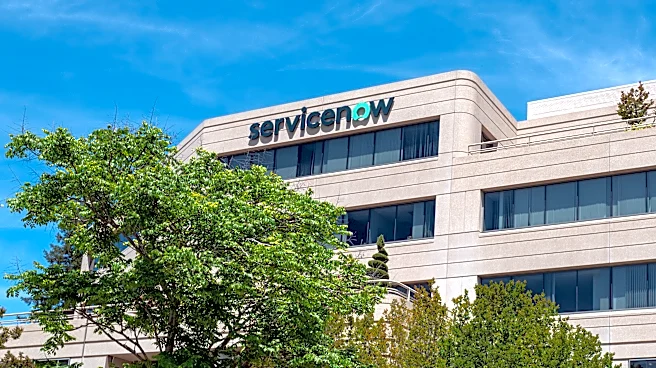
ServiceNow is actively recruiting a Software Engineer specializing in Go and Kubernetes to join its team in Hyderabad. The role focuses on building and operating core components of the company's Kubernetes platform and its subsystems. Key responsibilities
include extensive Go programming for controllers, operators, and platform services, participating in code reviews, and managing features from design to production. The position also involves operational duties such as on-call support, incident investigation, and contributing to post-incident follow-up work. Candidates are expected to have hands-on experience with Kubernetes in production environments, including deploying and debugging workloads, and familiarity with at least one major hyperscaler like AWS, Azure, or GCP. The role emphasizes working within a platform that serves regulated markets, requiring adherence to compliance constraints such as FedRAMP. The company is also interested in candidates who critically consider the use of AI in engineering work, including AI-powered coding and operational tooling.
Why It's Important?
This hiring initiative by ServiceNow underscores the growing importance of Kubernetes and cloud-native technologies in enterprise software development. By investing in specialized engineering talent for its Kubernetes platform, ServiceNow aims to enhance the scalability, reliability, and efficiency of its services, particularly for clients in regulated industries. The emphasis on Go programming reflects the language's increasing adoption for building robust and high-performance infrastructure. The requirement for experience with hyperscalers indicates a strategic move towards multi-cloud or hybrid-cloud environments, allowing ServiceNow to offer flexible and resilient solutions. Furthermore, the interest in AI's application in engineering highlights a broader industry trend where artificial intelligence is being integrated into development and operations workflows to improve productivity and automation. This role is crucial for ServiceNow's continued innovation and competitive edge in the enterprise software market, ensuring its platform can meet complex demands and evolving technological landscapes.
What's Next?
The successful candidate will be instrumental in the ongoing development and operational stability of ServiceNow's Kubernetes platform. This will likely lead to enhanced platform capabilities, improved service delivery for customers, and potentially the introduction of new features that leverage advanced container orchestration. The focus on regulated markets suggests that future platform developments will continue to prioritize security, compliance, and robust governance. Internally, the new engineer will contribute to a culture of continuous improvement, participating in code reviews and incident response, which will strengthen the team's overall technical expertise and operational resilience. The company's exploration of AI in engineering suggests that future platform enhancements may incorporate more AI-driven automation and tooling, potentially streamlining development cycles and operational tasks. This strategic hire is a step towards solidifying ServiceNow's infrastructure for future growth and innovation.
Beyond the Headlines
This job posting reflects a significant shift in the enterprise software landscape, where companies like ServiceNow are increasingly building their core services on cloud-native architectures powered by Kubernetes. The demand for engineers proficient in Go and Kubernetes signals a broader industry trend towards open-source technologies and microservices. The mention of FedRAMP compliance highlights the critical need for robust security and regulatory adherence in cloud platforms, especially for government and highly regulated sectors. This also points to the increasing complexity of modern software development, where engineers must possess not only coding skills but also deep understanding of infrastructure, networking, and security. The integration of AI into engineering workflows, as hinted in the job description, suggests a future where AI tools will play a more prominent role in automating development, testing, and operations, potentially transforming how software is built and maintained. This evolution could lead to more efficient development cycles and more resilient systems, but also raises questions about the evolving skill sets required for future software engineers.