



What's Happening?
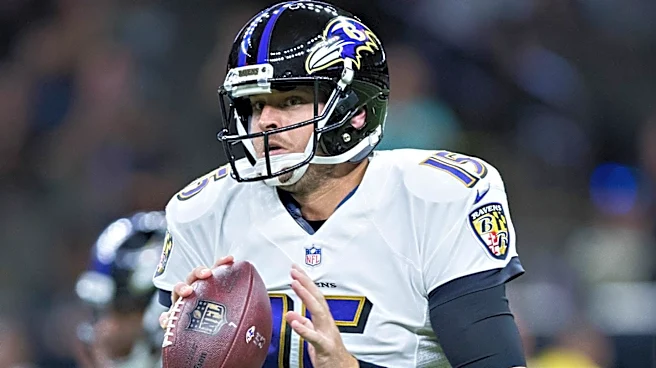
Veteran quarterback Joe Flacco, along with former Baltimore Ravens tight ends Todd Heap and Dennis Pitta, are investors in Caddix, a small Baltimore-based footwear company. Caddix cleats, which feature flexible studs designed to reduce strain on knees
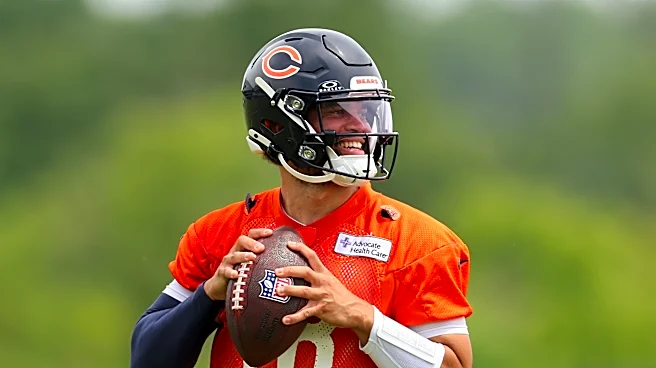
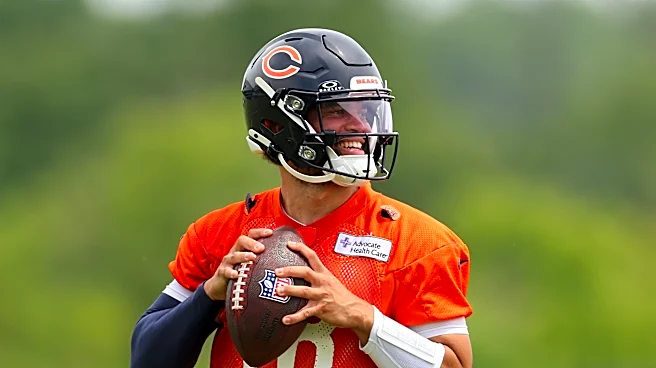
and ankles, gained NFL approval for on-field use prior to last season. Approximately 25 NFL players, including Flacco, began wearing these cleats in 2024. The company has recently garnered significant attention after Chicago Bears quarterback Caleb Williams started wearing their cleats this season, leading to fines from the NFL for displaying an unauthorized logo. Caddix CEO Jack Rasmussen has offered to pay these fines, and Williams has since used a blank pair of Caddix cleats to comply with league rules. More than 80 NFL players are currently using Caddix cleats, including prominent figures like Seattle Seahawks wide receiver Cooper Kupp and Pittsburgh Steelers cornerback Jalen Ramsey. The company, which has four employees, generated just under $2 million in revenue last year and is currently seeking additional funding.
Why It's Important?
The investment by prominent NFL figures like Joe Flacco, Todd Heap, and Dennis Pitta lends significant credibility and visibility to Caddix, a relatively small player in the highly competitive sports footwear market. Their endorsement, coupled with the widespread adoption by over 80 NFL players, signals a potential shift in player preference towards specialized performance gear designed for injury prevention. The NFL's approval for on-field use is crucial, as it validates the product's safety and efficacy within professional sports. The controversy surrounding Caleb Williams wearing the cleats, while resulting in fines, has inadvertently provided Caddix with substantial free advertising and generated considerable buzz, which is invaluable for a startup. This exposure could lead to increased sales, further player endorsements, and potentially attract larger investors or even acquisition interest from major sports brands. The focus on reducing strain on knees and ankles also highlights a growing demand for sports equipment that prioritizes athlete health and longevity, potentially influencing future product development across the industry.
What's Next?
Caddix is actively working on raising money through a new funding round, which will be critical for scaling operations, increasing production, and expanding its market reach. The company's increased visibility due to high-profile players like Caleb Williams will likely attract more investors and potentially lead to strategic partnerships. As more NFL players continue to adopt Caddix cleats, the company may explore formal sponsorship deals with athletes, which could further solidify its position in the market. There is also potential for Caddix to diversify its product line, with CEO Jack Rasmussen indicating that the company could develop recovery or lifestyle shoes in the future. The ongoing attention from the NFL regarding unauthorized logos may prompt Caddix to pursue official licensing agreements with the league or its authorized footwear suppliers (Adidas, Nike, Under Armour) to avoid future penalties for players. The company's success could also inspire other small innovators in the sports equipment sector to challenge established brands with specialized, performance-driven products.
Beyond the Headlines
The rise of Caddix, a small company challenging established giants in the sports footwear industry, underscores a broader trend of innovation driven by specific athlete needs, particularly in injury prevention. The company's success highlights how direct feedback from professional athletes, who are constantly seeking performance advantages and ways to extend their careers, can disrupt markets. The NFL's strict rules on unauthorized logos, while intended to protect official sponsors, inadvertently created a viral marketing moment for Caddix, demonstrating the power of athlete influence even in the face of penalties. This situation also raises questions about the balance between league-mandated endorsements and player freedom to choose equipment they believe enhances their performance and safety. Furthermore, the investment by former players like Flacco, Heap, and Pitta exemplifies a growing trend of athletes transitioning into entrepreneurial roles, leveraging their deep understanding of sports and their networks to support innovative ventures that address real-world athletic challenges. This could lead to more athlete-backed startups focusing on niche, high-performance sports equipment.