









What's Happening?
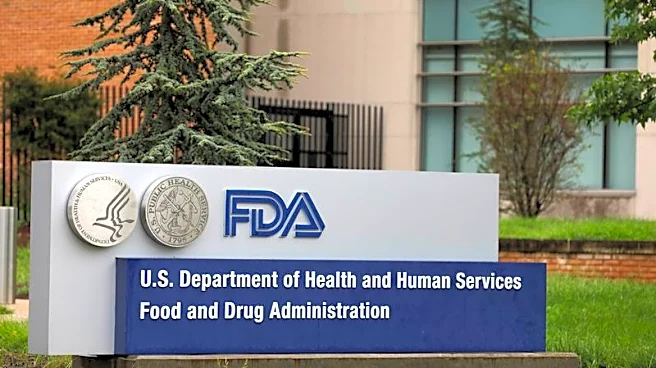
The FDA has reversed its initial refusal to file Moderna's application for its mRNA flu vaccine, mRNA-1010, now known as mFLUSIVA. The agency has set a decision date for August and scheduled a Vaccines and Related Biological Products Advisory Committee
meeting for June 18 to discuss the vaccine. Moderna is seeking full approval for use in adults aged 50-64 and accelerated approval for those 65 and older, with a post-marketing study required for full approval in the latter group. The FDA's initial refusal was due to concerns about the lack of a high-dose vaccine comparator in trials for older populations. However, the FDA now appears to have softened its stance, noting no major safety issues and superior vaccine efficacy in the 50-64 age group.
Why It's Important?
The alignment between the FDA and Moderna is crucial for the company's financial outlook, as the mRNA-1010 vaccine represents a potential $1 billion revenue opportunity. This development is part of Moderna's broader strategy to market multiple products by 2027-2028, aiming to improve its revenue and achieve breakeven by 2028. The FDA's decision to proceed with the application is a significant step forward for Moderna, which has faced challenges in its pipeline due to regulatory hurdles. The outcome of the advisory committee meeting could influence the future of mRNA-based vaccines and their role in public health.
What's Next?
The upcoming advisory committee meeting will vote on whether the benefits of mFLUSIVA outweigh its risks for preventing influenza in the specified age groups. While the committee's recommendations are non-binding, the FDA typically follows their advice. The decision will impact Moderna's launch plans and its ability to meet financial targets. The company is also preparing for leadership changes and product launches in the coming years, which will be influenced by the regulatory outcomes of its current applications.