








What's Happening?
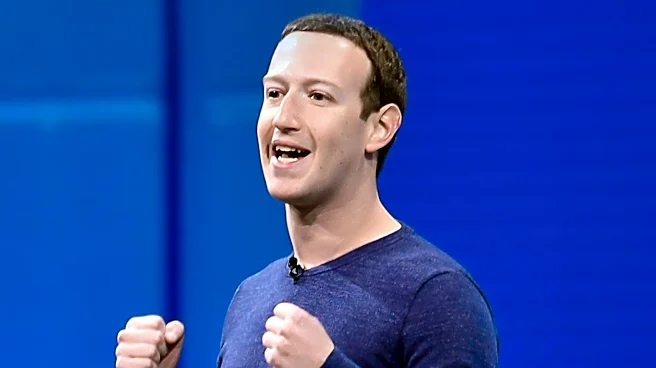
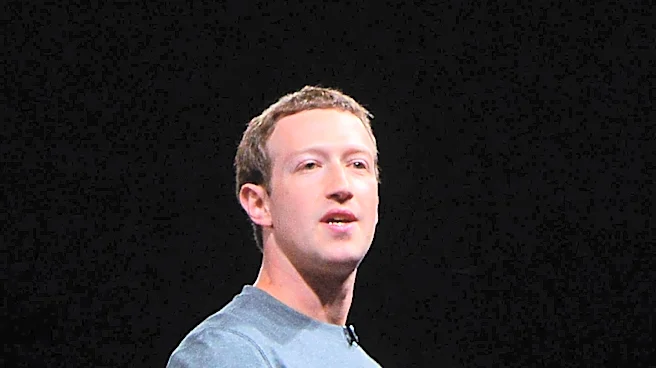
Mark Zuckerberg, founder of Meta, has been re-evaluating his stance on government regulation since 2018, when he faced congressional hearings over social media's impact. Initially a critic of regulation, Zuckerberg expressed a willingness to collaborate
on reform, acknowledging that larger companies like Meta have the resources to comply with new rules, potentially disadvantaging smaller firms. This shift comes amid broader calls for regulation in the tech industry, with other leaders like Apple CEO Tim Cook also recognizing the need for oversight. The debate over regulation has been fueled by concerns about social media's role in societal issues and the need for accountability.
Why It's Important?
Zuckerberg's openness to regulation marks a significant shift in the tech industry's approach to government oversight. This change could lead to new policies that impact how tech companies operate, particularly in areas like data privacy and content moderation. Larger firms may benefit from regulations that smaller competitors struggle to meet, potentially consolidating market power among established players. The move also reflects a broader trend of tech giants acknowledging their societal impact and the need for responsible governance. This could influence public policy and shape the future landscape of the tech industry.
What's Next?
As discussions on regulation continue, tech companies may face increased scrutiny and potential legislative changes. Stakeholders, including policymakers and industry leaders, will likely engage in debates over the scope and nature of regulations. The outcome could affect innovation, competition, and consumer protection in the tech sector. Companies may need to adapt their business models to comply with new rules, while smaller firms might seek support to navigate regulatory challenges. The evolving regulatory environment will require ongoing dialogue between the tech industry and government to balance innovation with accountability.