




What's Happening?
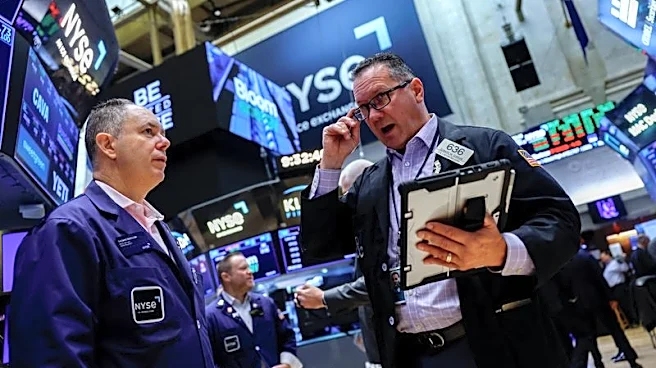
Lucid Group, Inc. (LCID) experienced a significant stock decline of 9.37% during a recent trading session, reaching new lows. This drop was primarily triggered by a bearish update from RBC Capital analyst Tom Narayan, who slashed his price target on Lucid stock from $7
to $4, a 43% reduction. The analyst cited disappointing sales expectations for the upcoming Gravity SUV and lowered the company's 2027 revenue forecast to $2.8 billion. Compounding this negative sentiment, Lucid disclosed a regulatory filing indicating it drew another $400 million from its credit line with an affiliate of Saudi Arabia's Public Investment Fund (PIF). This marks the fourth such draw this year, highlighting the company's substantial operating costs and cash burn. The stock was already under pressure due to an underwhelming third-quarter production and delivery update, reporting only 2,954 vehicles produced, a year-over-year decline. Additionally, a legal investigation into allegations of concealed supplier quality issues related to the Gravity SUV has added further uncertainty.
Why It's Important?
This significant stock plunge for Lucid Group underscores the intense financial pressures and operational challenges faced by electric vehicle (EV) manufacturers, particularly those in the luxury segment. The analyst's severe price target cut and reduced revenue forecasts signal growing skepticism on Wall Street regarding Lucid's ability to scale production and achieve profitability. The repeated draws from its credit line with the Saudi Arabian Public Investment Fund highlight the substantial capital required to sustain operations and develop new models like the Gravity SUV. This situation is critical for investors, as it raises concerns about potential shareholder dilution if the company needs to secure additional funding. The struggles of Lucid, a prominent U.S.-based EV maker, reflect broader industry challenges in stimulating consumer demand and managing high production costs, impacting the competitive landscape of the U.S. automotive market and investor confidence in emerging EV companies.
What's Next?
The market will closely monitor Lucid Group's full third-quarter earnings report, scheduled for early November. During this report, investors will be looking for concrete updates on the company's remaining cash reserves, production milestones for the Gravity SUV, and tangible evidence that recent cost-cutting initiatives are proving effective. The company's management has promised a $1.4 billion cash flow improvement through an ongoing operational reset, and the upcoming earnings call will be crucial in assessing the realism of this target. The outcome of the legal investigation into alleged supplier quality issues for the Gravity SUV will also be a key factor influencing investor sentiment and the company's future trajectory. Any further draws from its credit line or announcements regarding additional funding will be scrutinized for their potential impact on shareholder value and the company's long-term financial stability.
Beyond the Headlines
The challenges faced by Lucid Group extend beyond immediate stock performance, touching upon the broader sustainability and viability of new entrants in the highly competitive electric vehicle market. The deeply negative gross margins, meaning the company loses money on every vehicle produced, highlight a fundamental economic hurdle for scaling EV production. This situation raises questions about the long-term strategies required for EV startups to transition from innovative disruptors to profitable, mass-market manufacturers. The reliance on significant external funding, such as the credit line from Saudi Arabia's PIF, also brings into focus the geopolitical and strategic investments shaping the future of the U.S. automotive industry. The ongoing struggles of Lucid could influence investor appetite for other emerging EV companies and potentially lead to consolidation within the sector, as smaller players with high cash burn rates face increasing pressure to demonstrate financial self-sufficiency.