






What's Happening?
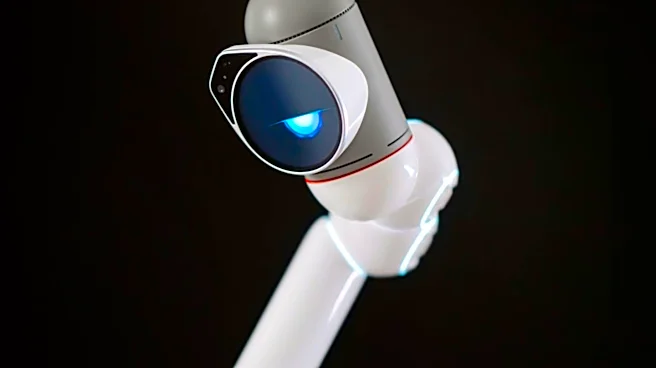
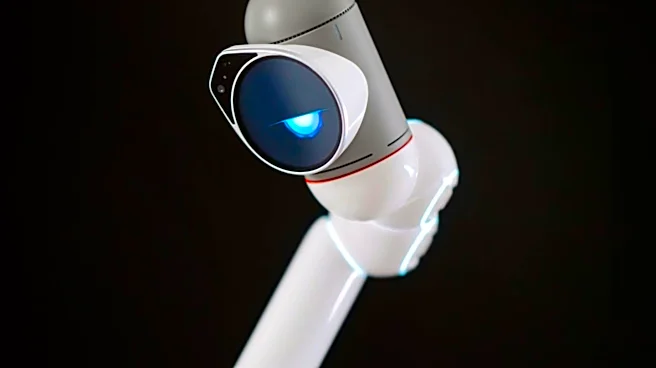
Kawasaki Robotics showcased its latest advancements in automation technology at the Automate 2026 event in Chicago. The highlight was the introduction of the RL030N, the industry's first 8-axis robot designed for Physical AI applications. This robot features
enhanced dexterity and flexibility, supporting AI-driven tasks such as adaptive motion and complex motion planning. Additionally, Kawasaki demonstrated its Pulseboard technology, which improves robotic weld inspection by synchronizing image acquisition with tool-tip displacement. These innovations reflect Kawasaki's commitment to integrating AI and robotics to enhance industrial automation capabilities.
Why It's Important?
The introduction of the RL030N robot marks a significant step forward in the field of industrial automation. By incorporating AI and advanced motion capabilities, this robot can perform tasks that require a high degree of precision and adaptability, which are increasingly demanded in modern manufacturing environments. The Pulseboard technology further enhances inspection processes, reducing time and improving accuracy. These advancements have the potential to increase efficiency, reduce costs, and improve product quality across various industries, positioning Kawasaki Robotics as a leader in the automation sector.
What's Next?
Kawasaki Robotics plans to continue developing its AI and automation technologies, potentially expanding their applications across different sectors. The company may explore partnerships with other technology firms to integrate its robots into broader industrial systems. As the demand for intelligent automation grows, Kawasaki's innovations could lead to new standards in manufacturing processes, influencing how industries approach automation and AI integration.
Beyond the Headlines
The advancements showcased by Kawasaki Robotics highlight the broader trend of AI integration in industrial settings. As robots become more capable of performing complex tasks, there are implications for the workforce, including the need for new skills and potential shifts in job roles. Companies may need to invest in training programs to equip employees with the skills necessary to work alongside advanced robotic systems, ensuring a smooth transition to more automated operations.