


What's Happening?
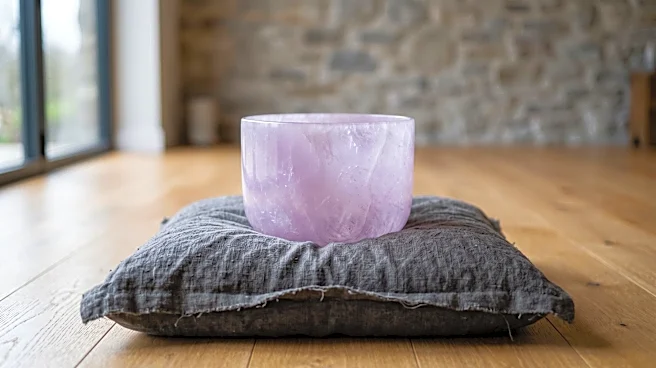
Sound baths are gaining popularity as a wellness practice where participants relax while a practitioner plays instruments that produce sustained tones, vibrations, and resonant sounds. These instruments typically include crystal singing bowls, metal singing bowls, gongs,
and chimes. The experience is designed to encourage rest and relaxation, inviting individuals to focus on listening rather than engaging in conversation or tasks. Participants usually lie comfortably, often with their eyes closed, as the sounds evolve throughout the session. The term 'bath' refers to being enveloped by sound, not involving water. Sessions commonly last between 60 to 90 minutes, providing a quiet environment for individuals to unwind and experience different auditory textures and patterns.
Why It's Important?
The growing interest in sound baths highlights a broader societal trend towards seeking alternative and complementary wellness practices for stress reduction and mental well-being. In a fast-paced world, these sessions offer a unique opportunity for individuals to disconnect from daily stressors and engage in a passive form of meditation. While research into the specific benefits of sound-based relaxation is still developing, many participants report feelings of calmness, improved focus, and a general sense of peace. This trend could influence the wellness industry, leading to more offerings in sound therapy and potentially integrating these practices into corporate wellness programs or healthcare settings as a non-pharmacological approach to managing stress and anxiety.
What's Next?
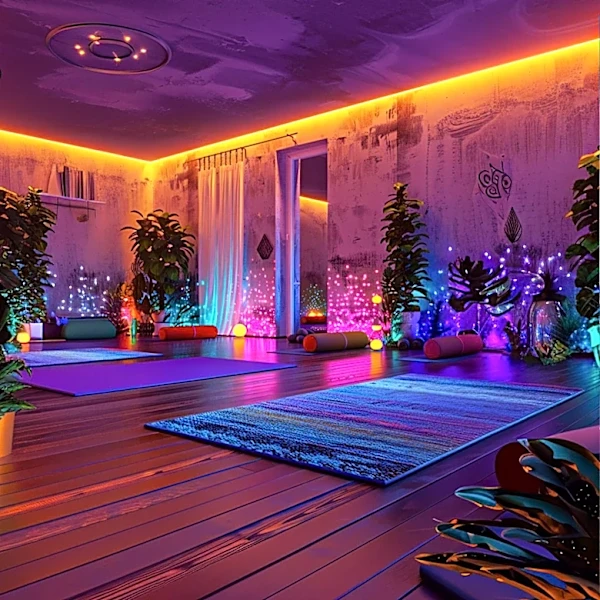
As sound baths continue to gain traction, it is anticipated that more wellness centers, yoga studios, and community organizations will begin offering these sessions. There may also be an increase in specialized formats, such as floating sound baths, which combine sound therapy with gentle movement on water. Practitioners may further integrate sound baths with other wellness modalities like guided meditation or restorative yoga to enhance the overall experience. The accessibility of sound baths is also likely to expand, with more options becoming available for various preferences, including traditional floor-based sessions and those incorporating light systems for a multi-sensory experience. Continued research into the physiological and psychological effects of sound therapy could further legitimize and integrate these practices into mainstream wellness and health recommendations.
Beyond the Headlines
Beyond their immediate relaxation benefits, sound baths tap into deeper aspects of human experience, including the power of auditory perception and its influence on mental states. The practice encourages a shift from active engagement to passive reception, fostering a unique form of mindfulness that doesn't require prior meditation experience. This can be particularly impactful in a culture often driven by productivity and constant stimulation. The use of specific instruments, like crystal singing bowls, also connects to ancient traditions of sound healing, suggesting a re-emergence of holistic approaches to well-being. The individual and varied experiences reported by participants underscore the subjective nature of wellness and the potential for diverse pathways to inner peace and emotional balance.