




What's Happening?
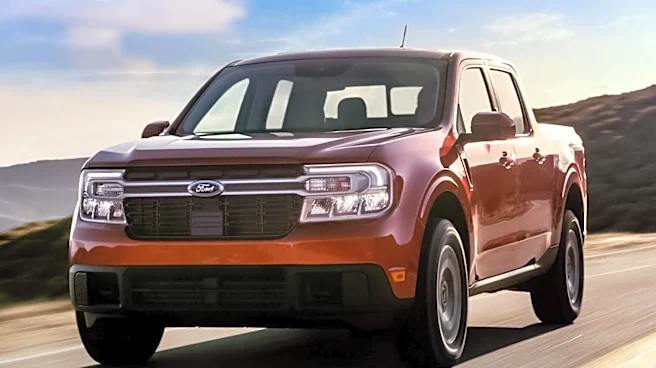
The Ford Maverick pickup truck has adopted a unibody construction, departing from the traditional body-on-frame design often associated with pickup trucks. This engineering choice was made to prioritize a car-like ride, improved fuel efficiency, and an accessible
price point, targeting urban and suburban drivers who may be first-time truck buyers. The unibody design leverages Ford's existing C2 unibody platform, which also underpins models like the Ford Escape and Bronco Sport, allowing for production scale and cost benefits. While this construction method offers a smoother driving experience, it still provides substantial utility, with a payload capacity of 1,500 pounds and a towing capacity of up to 4,000 pounds when equipped with the optional 4K Tow Package. This positions the Maverick as a versatile compact truck that balances comfort with practical capabilities, without aiming to compete directly with the more rugged, heavy-duty towing and hauling capabilities of larger trucks like the Ranger or F-150.
Why It's Important?
Ford's decision to use unibody construction for the Maverick represents a significant shift in the pickup truck market, challenging traditional perceptions of what constitutes a 'real truck.' This approach broadens the appeal of pickup trucks to a new demographic—urban and suburban drivers seeking the utility of a truck without sacrificing the comfort and maneuverability of a car. By prioritizing fuel efficiency and an accessible price point, the Maverick addresses growing consumer demand for more economical and environmentally conscious vehicle options. The utilization of an existing platform (C2 unibody) demonstrates a strategic move by Ford to optimize production costs and accelerate development, which can translate into more competitive pricing for consumers. This innovation could influence other manufacturers to explore similar unibody designs for compact utility vehicles, potentially leading to a new segment of more versatile and efficient trucks that cater to a wider range of lifestyles and needs beyond traditional heavy-duty work applications.
What's Next?
The success of the Ford Maverick's unibody construction could influence future design and engineering decisions across the automotive industry, particularly within the compact truck and SUV segments. If the Maverick continues to resonate with its target audience of urban and suburban drivers, other manufacturers may follow suit, developing their own unibody pickup trucks that prioritize ride comfort, fuel efficiency, and affordability. This could lead to an expansion of the compact truck market, offering consumers more diverse options that blend car-like attributes with truck utility. Ford itself may further refine and expand its unibody truck offerings, potentially introducing new variants or features based on consumer feedback and market trends. The long-term impact will depend on how well the Maverick maintains its balance of utility and comfort, and whether it can continue to attract buyers who might otherwise opt for SUVs or sedans, thereby reshaping the landscape of light-duty vehicles.
Beyond the Headlines
The Ford Maverick's unibody construction signifies a deeper evolution in automotive design, reflecting changing consumer priorities and environmental considerations. Historically, body-on-frame construction was synonymous with durability and towing prowess, but it often came at the cost of ride quality and fuel economy. The Maverick's success suggests a growing acceptance, and even preference, for vehicles that offer a more refined driving experience while still providing practical utility. This shift could accelerate the integration of advanced materials and manufacturing techniques in vehicle production, as engineers seek to maximize strength and safety within unibody designs. Furthermore, it highlights a broader trend towards vehicle segmentation, where manufacturers are increasingly tailoring products to highly specific consumer niches rather than relying on one-size-fits-all solutions. The Maverick's approach also underscores the importance of platform sharing in modern automotive manufacturing, enabling companies to achieve economies of scale and bring innovative products to market more efficiently, ultimately benefiting consumers through diverse and cost-effective options.