






What's Happening?
Stopping hydroquinone, a common skin-lightening ingredient used to reduce hyperpigmentation, does not guarantee that dark spots will remain faded. Hyperpigmentation may return, though not always to the same degree or in the same manner. The recurrence
depends on factors such as the original cause of pigmentation, the duration of hydroquinone use, skin type, and post-treatment care. Hydroquinone works by slowing melanin production but does not eliminate the underlying triggers. Common reasons for recurrence include sun exposure, hormonal changes, inflammation, inconsistent skincare, and chronic underlying conditions. The return of pigmentation can manifest as slight darkening at the edges of old spots, new pigment in previously treated areas, or a gradual loss of brightness.
Why It's Important?
The potential for hyperpigmentation to return after discontinuing hydroquinone is a significant concern for individuals seeking long-term solutions for skin discoloration. This issue highlights the need for comprehensive and sustained skincare strategies beyond initial treatment. For consumers, understanding that hydroquinone is a control measure rather than a permanent cure is crucial for managing expectations and investing in appropriate maintenance routines. The emphasis on consistent sun protection and the use of alternative pigment-supporting ingredients like azelaic acid, niacinamide, vitamin C, tranexamic acid, and retinoids underscores a shift towards integrated and preventative approaches in dermatology. This impacts the market for skincare products, driving demand for maintenance therapies and broad-spectrum sunscreens, and influencing how dermatologists counsel patients on managing chronic pigmentation issues.
What's Next?
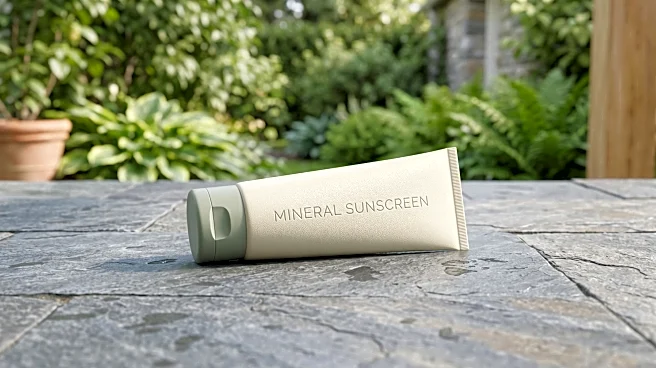
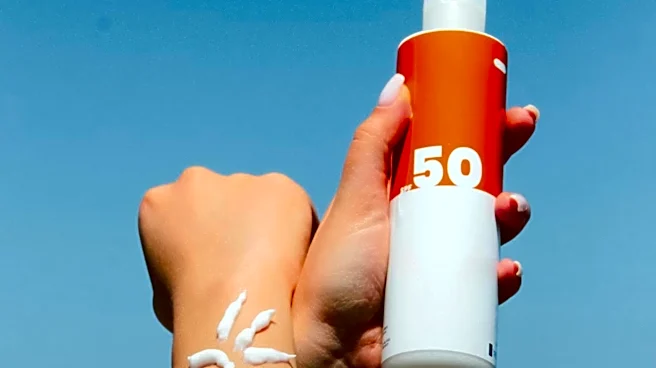
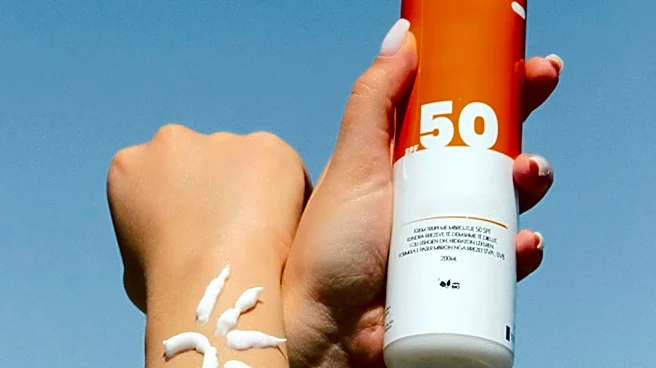
To minimize the return of hyperpigmentation, a step-down approach when discontinuing hydroquinone is often recommended, rather than abrupt cessation. This involves gradually reducing frequency of use. Essential next steps include daily application of broad-spectrum SPF 30+ sunscreen, incorporating pigment-supporting ingredients into a daily routine, and maintaining a calm and healthy skin barrier with gentle cleansers and moisturizers. Regular monitoring of skin changes, potentially through photographic documentation, will help identify any recurrence early. Consultation with a dermatologist is advised for personalized treatment plans, especially for stubborn discoloration or if irritation occurs. The market will likely continue to see innovation in maintenance ingredients and combination therapies to address the complex nature of hyperpigmentation.
Beyond the Headlines
The challenge of maintaining results after hydroquinone treatment touches upon broader themes of consumer education and the ethics of skincare marketing. It underscores the importance of realistic expectations regarding cosmetic treatments and the need for ongoing commitment to skin health. The reliance on sun protection as a non-negotiable element highlights public health messaging around UV exposure and its long-term effects on skin. Furthermore, the discussion about ordering prescription-strength products online from overseas pharmacies raises questions about regulatory oversight, product safety, and access to dermatological care. This situation encourages a more informed consumer base that understands the nuances of active ingredients and the necessity of professional guidance for effective and safe skin management.