


What's Happening?
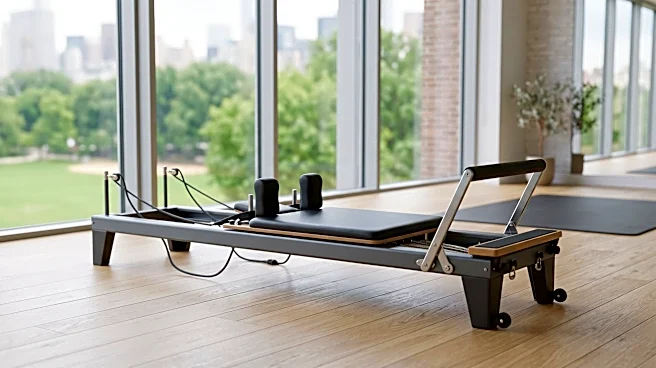
The Core Collab, a company with 25 years of experience manufacturing Pilates reformers, has issued a comparison between its spring-based reformers and the cord-based AeroPilates machines. The company asserts that while AeroPilates offers more affordable,
entry-level options, its own reformers, such as the Eco Foldable Reformer, provide a studio-like experience due to their steel spring resistance system. The Core Collab explains that elastic cords, commonly found in many AeroPilates models, offer resistance that can feel 'bouncy' and inconsistent, losing tension over time. In contrast, steel springs provide a smoother, more even resistance throughout the entire range of motion, which is crucial for controlled Pilates movements. The Core Collab Eco Foldable Reformer, priced at $2,399, features six steel springs, a 350 lb weight rating, and a 10-year frame warranty, distinguishing it from most AeroPilates models that use three to five cords.
Why It's Important?
This comparison is significant for consumers in the U.S. fitness market, particularly those considering an at-home Pilates reformer. The choice between cord and spring resistance directly impacts the quality of the workout, the longevity of the equipment, and the overall user experience. For individuals seeking to replicate a studio Pilates experience at home, The Core Collab's emphasis on spring resistance suggests a more authentic and effective training tool. The longer warranty and higher weight rating of The Core Collab's products also indicate a greater investment in durability, potentially reducing long-term costs associated with repairs or replacements. This information helps consumers make informed decisions, weighing initial cost against performance, durability, and the desired quality of their Pilates practice.
What's Next?
Consumers in the U.S. market are likely to increasingly scrutinize the resistance mechanisms of Pilates reformers as they seek higher quality home fitness solutions. The Core Collab's detailed comparison may prompt other manufacturers to more clearly articulate the benefits of their resistance systems. The company's in-house payment plan for its Eco Foldable Reformer, at $250 a month for 10 months, aims to make its higher-priced, spring-based machines more accessible to a broader audience. This strategy could influence purchasing trends, encouraging a shift towards more durable and studio-quality home equipment, especially for those who use reformers frequently or are looking to advance their Pilates practice.
Beyond the Headlines
The debate between cord and spring resistance in Pilates reformers highlights a broader trend in the fitness industry: the increasing demand for professional-grade equipment for home use. As more individuals prioritize at-home workouts, the distinction between entry-level and high-performance equipment becomes more critical. This also touches upon the ethical considerations of product transparency, as manufacturers are increasingly expected to educate consumers on the technical differences that impact performance and longevity. The Core Collab's detailed explanation of spring versus cord mechanics contributes to a more informed consumer base, potentially elevating the standards for home fitness equipment and encouraging a focus on long-term value over initial cost.