







What's Happening?
Research conducted by the University of Colorado Boulder indicates that community gardening plays a significant role in strengthening social bonds and alleviating loneliness. The study highlights that participation in community gardening initiatives provides
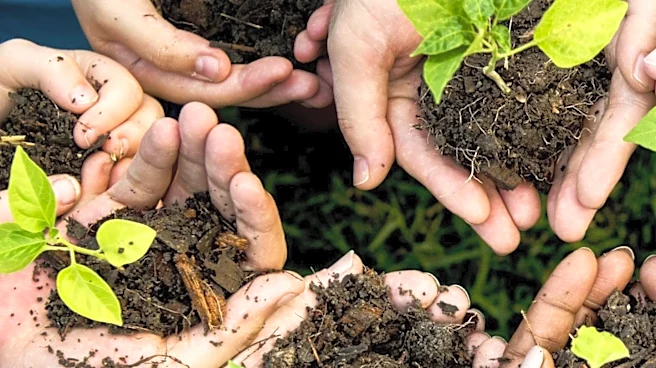
individuals with a lasting sense of belonging, which is directly linked to the plants they cultivate together. This finding suggests that the act of gardening, particularly in a communal setting, fosters connections among people, interrupting feelings of isolation. The research emphasizes that kindness and hope develop gradually, much like plants, through consistent engagement and shared effort within these gardening communities. The study points to raised beds, container gardening on balconies, and leaving wildflowers for bees as examples of gardening moments that cultivate compassion, patience, and happiness.
Why It's Important?
This research is important because it underscores the social and psychological benefits of community gardening, offering a practical approach to address growing concerns about loneliness and social isolation in U.S. society. By demonstrating a measurable link between gardening and strengthened social bonds, the findings can inform public health initiatives and urban planning strategies. Communities and local governments might consider investing more in shared green spaces and gardening programs as a cost-effective way to improve mental well-being and foster community cohesion. For individuals, it highlights an accessible activity that not only provides a connection to nature but also builds supportive social networks. The emphasis on 'kindness and hope' taking root through shared effort suggests a positive ripple effect beyond individual participants, potentially leading to more resilient and connected neighborhoods.
What's Next?
The findings from the University of Colorado Boulder could prompt increased interest and investment in community gardening programs across the U.S. Local municipalities and non-profit organizations may look to expand existing initiatives or create new ones, potentially seeking funding and partnerships to support these efforts. Further research might explore the long-term impacts of such programs on mental health outcomes and community development. Additionally, urban planners and developers could integrate community garden spaces into new residential projects or revitalize underutilized public lands for gardening purposes. The success of these programs will likely depend on continued community engagement and support, with an emphasis on creating inclusive environments where individuals can connect and contribute.
Beyond the Headlines
Beyond the immediate benefits of social connection, this research touches upon deeper implications regarding our relationship with nature and community in an increasingly urbanized world. The act of nurturing plants together can instill a sense of shared responsibility and purpose, fostering a collective identity that transcends individual differences. It also highlights the therapeutic power of nature, suggesting that engaging with the natural environment, even in a small garden plot, can have profound psychological benefits. Ethically, it raises questions about equitable access to green spaces and the importance of creating opportunities for all community members to participate in such enriching activities. Culturally, it could signify a shift towards valuing communal well-being and sustainable practices as integral components of a healthy society, moving beyond purely individualistic pursuits.