




What's Happening?
Berkshire Hathaway (BRK.A, BRK.B) has received a rating downgrade from a 'Buy' to a less favorable outlook by an analyst on Seeking Alpha. This adjustment comes despite the company's reputation as a stable investment. The analyst, who previously maintained
a 'Buy' rating ahead of recent earnings releases, now views the stock as 'slightly too expensive to be worth it.' The decision reflects a re-evaluation of Berkshire Hathaway's current market valuation, suggesting that its price may no longer offer sufficient upside potential for new investors. The company, headquartered in Omaha, Nebraska, is known for its diverse portfolio spanning insurance, freight rail transportation, utilities, and significant equity holdings in major corporations like Apple and American Express. This downgrade indicates a shift in perspective regarding the immediate investment attractiveness of the conglomerate.
Why It's Important?
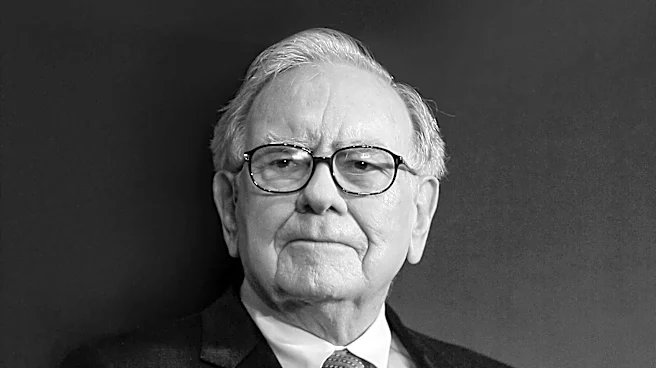
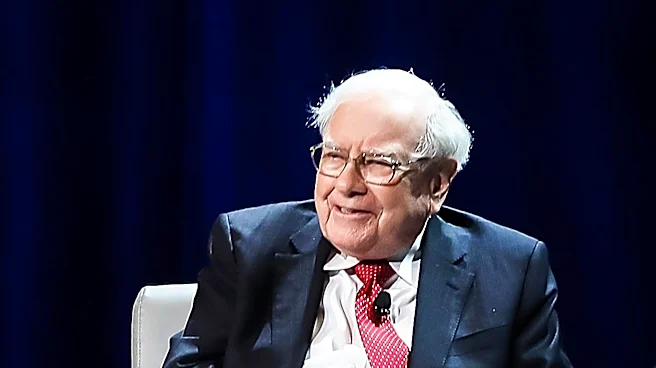
This rating downgrade for Berkshire Hathaway carries significance for investors, particularly those who follow value investing principles. Berkshire Hathaway, led by Warren Buffett, is often considered a benchmark for long-term value and stability in the U.S. market. A downgrade, even from a single analyst, can influence investor sentiment and potentially lead to a re-assessment of investment strategies, especially for those looking for undervalued opportunities. While not a universal consensus, such a change in rating suggests that the market may be pricing in much of the company's inherent value, leaving less room for substantial future gains. This could prompt existing shareholders to reconsider their positions and potential investors to seek out other opportunities that offer a more compelling risk-reward profile, impacting capital allocation decisions across the broader investment landscape.
What's Next?
Following this rating downgrade, investors will likely monitor Berkshire Hathaway's stock performance and upcoming financial reports closely. The company's next earnings release will be crucial in providing further insights into its operational performance and valuation. Market analysts and financial news outlets will likely scrutinize these results to either validate or challenge the current valuation concerns. Should the company's performance exceed expectations, it could alleviate some of the pressure from the downgrade. Conversely, if results align with or fall below expectations, it might reinforce the view that the stock is currently overvalued. This situation could also lead to increased debate among financial experts regarding the appropriate valuation metrics for large, diversified conglomerates like Berkshire Hathaway, potentially influencing broader market analysis trends.
Beyond the Headlines
The downgrade of Berkshire Hathaway's stock rating touches upon a broader theme in financial markets: the challenge of finding undervalued assets in a highly efficient market. For a company as widely followed and analyzed as Berkshire Hathaway, a shift in valuation perspective highlights the ongoing debate between intrinsic value and market price. It also underscores the dynamic nature of investment analysis, where even established 'bastions' of value can be re-evaluated based on current market conditions and future growth prospects. This situation could prompt a deeper discussion among investors about the sustainability of growth for mature, large-cap companies and whether their current market prices adequately reflect their future earnings potential, especially in an evolving economic landscape. It also subtly questions the long-term efficacy of traditional value investing when premium valuations become the norm.