




What's Happening?
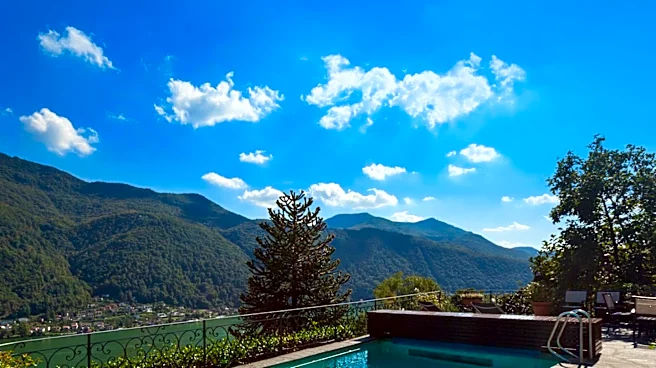
Amar Kapoor, CEO of Terra Grande, has provided insights into the company's Sirmaur development, a collection of ultra-luxury villas located in the hills of Himachal Pradesh, India. This project signifies a departure from traditional luxury real estate,
which has historically concentrated in metropolitan centers. Kapoor emphasizes that the Sirmaur development caters to an evolving demand among affluent homebuyers for residences that offer a blend of architectural excellence, privacy, and a differentiated ownership experience, particularly those that integrate with natural surroundings. The first phase of the Sirmaur project has completely sold out, indicating a growing interest in destination-led residences among India's wealthy buyers. The design philosophy prioritizes harmony with the terrain, maximizing mountain views, and creating homes that can become part of a family's legacy. Kapoor highlights that modern luxury is increasingly defined by time and the freedom to enjoy it, a concept central to Terra Grande's offerings for business leaders and high-net-worth individuals seeking a pause from professional demands.
Why It's Important?
This shift in luxury real estate, as articulated by Amar Kapoor, reflects a broader trend where discerning buyers are looking beyond conventional urban properties for their next homes. For the U.S. market, this could signal a potential future trend in luxury housing, where high-net-worth individuals might increasingly seek out properties in scenic, less-explored regions that offer privacy, connection to nature, and a unique lifestyle experience, rather than solely focusing on prestigious city addresses. This could impact investment strategies for real estate developers and investors, encouraging them to explore similar 'destination-led' luxury developments in areas with natural beauty and accessibility. Furthermore, it highlights an evolving definition of luxury, moving from mere square footage and amenities to quality of life, thoughtful design, and long-term value, which could influence marketing and development approaches in the U.S. luxury sector. The success of Terra Grande's model suggests a growing market for properties that offer both a lifestyle experience and potential for legacy building, potentially attracting U.S. buyers interested in international second homes or inspiring similar domestic projects.
What's Next?
Terra Grande plans to continue evaluating opportunities that align with its philosophy of creating distinctive residences connected to natural surroundings. This suggests a potential expansion into other nature-rich regions, not just in India but possibly influencing global luxury real estate trends. The company's approach is not merely about expanding into new markets but about replicating a development model that prioritizes natural beauty, accessibility, and long-term appeal. The success of the Sirmaur project's first phase will likely encourage further development in similar locations, potentially setting a precedent for how luxury real estate is conceived and marketed. Major stakeholders, including other real estate developers and investors, will likely observe Terra Grande's strategy to understand the evolving preferences of affluent buyers. This could lead to increased investment in infrastructure and amenities in previously less-developed scenic areas to support such high-end residential projects, both domestically and internationally.
Beyond the Headlines
The trend highlighted by Amar Kapoor points to a deeper societal shift in how luxury is perceived and consumed. Beyond the tangible assets, there's a growing emphasis on intangible values such as time, tranquility, and a meaningful connection to nature. This reflects a broader cultural movement towards well-being and a desire to escape the constant demands of urban life. Ethically, this development raises questions about sustainable development in pristine natural environments and ensuring that such projects contribute positively to local ecosystems and communities, rather than detracting from them. The long-term shift could see a re-evaluation of urban planning and conservation efforts, as more people seek to integrate nature into their living spaces. It also underscores the increasing importance of bespoke design and personalized experiences in the luxury market, moving away from standardized offerings. This could lead to a greater demand for architects and designers specializing in environmentally sensitive and context-specific luxury developments.