








What's Happening?
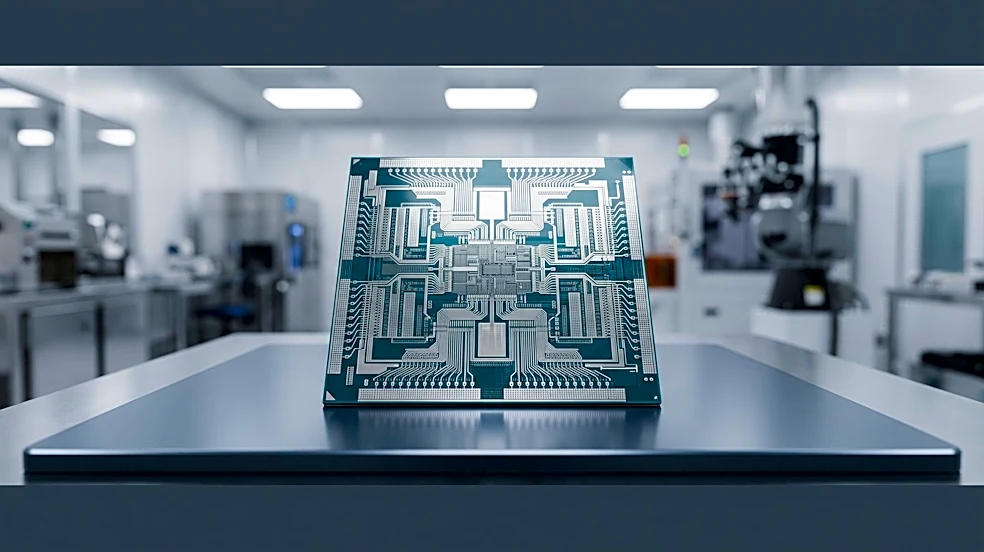
American manufacturing is experiencing a revival, but this recovery is uneven, primarily powered by advanced manufacturing industries such as chemicals, machinery, computers and electronics, and transportation equipment. These sectors, which constitute
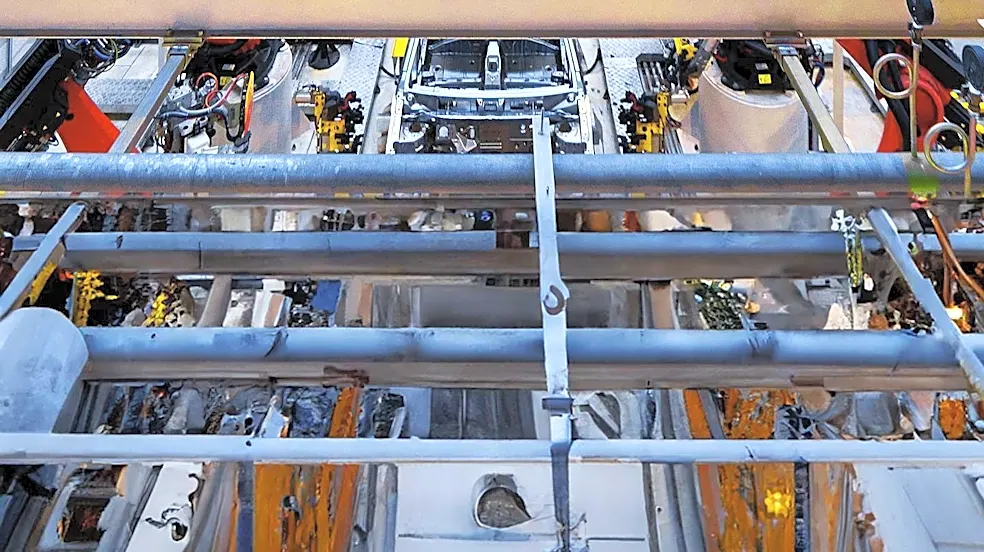
38% of factory employment, added 56,000 jobs over the 12 months ending in September. In contrast, other manufacturing industries collectively lost 16,000 jobs during the same period, according to an analysis by Gad Levanon, chief economist at the Burning Glass Institute. Factory output increased by 0.3% in September, despite a 3% decline in auto production, indicating momentum in the sector. The Institute for Supply Management's manufacturing index has shown nine consecutive months of expansion, with new orders growing and backlogs accumulating. However, this growth is not translating into widespread hiring across all manufacturing segments, with only computers and electronics and transportation equipment reporting increased employment among the six largest manufacturing industries.
Why It's Important?
The lopsided nature of the U.S. manufacturing rebound has significant implications for the broader economy and workforce. While the White House highlights the manufacturing revival as a success of its economic agenda, the narrow scope of this recovery raises questions about equitable benefits across the sector. Traditional, labor-intensive manufacturing industries are struggling with high costs and foreign competition, while advanced manufacturers are thriving due to investments in AI and energy. This divergence could exacerbate economic inequalities and create challenges for workers in traditional manufacturing roles. Higher borrowing costs further threaten to weigh on factories, potentially widening the divide between advanced and traditional manufacturing. The sustainability of this recovery depends on whether the benefits can extend beyond a few high-tech sectors, or if the current economic conditions will further entrench the disparities.
What's Next?
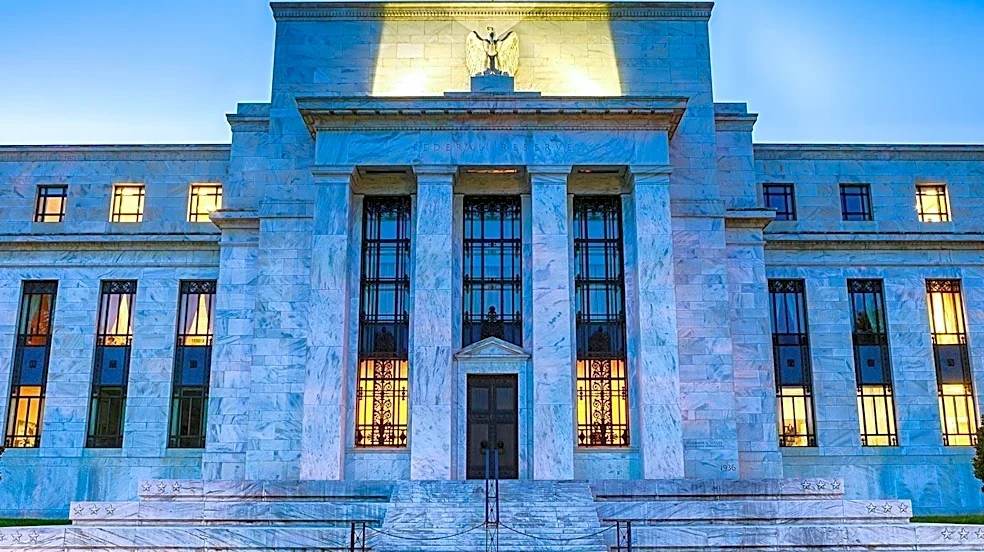
The future trajectory of U.S. manufacturing will likely see a continued widening of the gap between advanced and traditional sectors. As borrowing costs potentially climb, traditional manufacturers may face increased pressure, while advanced industries could sustain growth due to ongoing AI and energy investment booms. However, even advanced industries are not immune; if borrowing costs continue to rise and tech valuations face scrutiny, these sectors could also experience pressure, potentially slowing the overall manufacturing recovery. Policymakers may need to consider targeted interventions to support traditional manufacturing and ensure a more balanced economic growth. The focus will be on how the Federal Reserve's monetary policies and global economic shifts impact the diverse segments of the manufacturing industry.
Beyond the Headlines
The uneven manufacturing recovery highlights a deeper structural transformation within the U.S. economy, driven by technological advancements like artificial intelligence and the shift towards renewable energy. This transformation is creating a dual economy within manufacturing, where high-skill, high-tech jobs are growing, while traditional manufacturing employment stagnates or declines. This trend raises ethical questions about job displacement, the need for workforce retraining, and the potential for increased regional economic disparities. The long-term implications include a potential reshaping of the American industrial landscape, with a greater emphasis on innovation and technology, but also the challenge of ensuring that no segment of the workforce is left behind in this transition. The shift also underscores the importance of strategic investments in education and infrastructure to support a future-oriented manufacturing base.