






What's Happening?
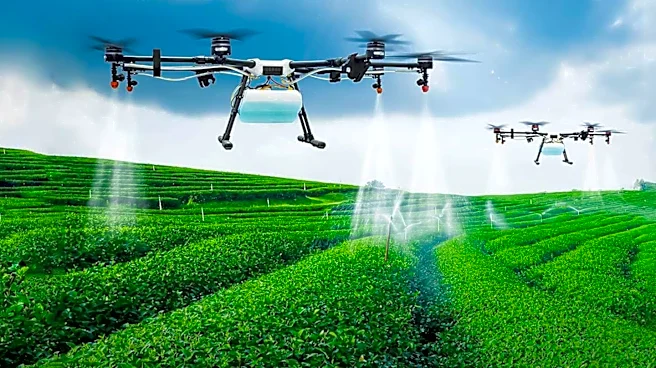
The Maine Potato Board is implementing advanced drone technology to monitor and manage potato fields across the state. Agricultural engineer Curtis Harrison and Potato Board program coordinator Izabelle Higgins are spearheading a pilot program that uses
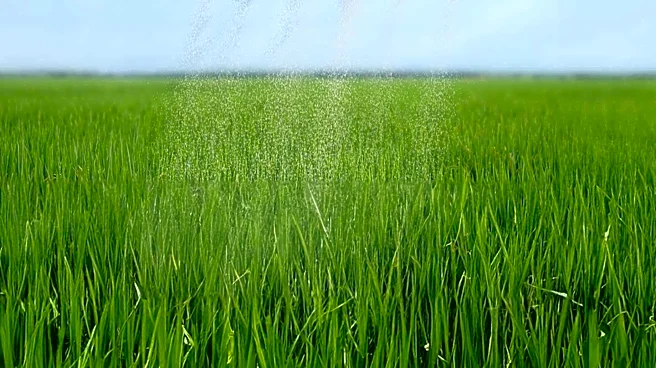
drones to quickly identify problem areas in fields. This includes detecting beetle infestations, fungal diseases, and nutrient deficiencies. Drones can also be used for localized spraying of fungicides, insecticides, or herbicides, targeting specific affected areas rather than entire fields. This approach offers cost savings, environmental benefits, and increased efficiency for potato growers. The board, established in 1986, serves as both a marketing arm and a research leader for Maine's potato industry, providing services such as low-interest loans, disease studies, and seed potato cultivation. They also assist farmers with adopting new technologies, like GPS in field equipment, and developing more efficient irrigation systems in response to regulations like Maine's 2007 'low flow' rule.
Why It's Important?
The adoption of drone technology by the Maine Potato Board signifies a crucial step towards modernizing and sustaining the state's vital potato industry. Maine's potato crop is a significant economic driver, particularly in Aroostook County, where over 90% of the state's potatoes are harvested. By enabling faster and more precise identification and treatment of crop issues, this technology can lead to healthier yields, reduced pesticide use, and lower operational costs for farmers. This innovation helps Maine growers remain competitive in a market that demands year-round supply, as modern storage facilities, often financed and designed with the board's help, keep potatoes sale-quality for longer. The board's broader role in research, technology adoption, and financial assistance underscores its importance in ensuring the long-term viability and profitability of potato farming in Maine, a sector that supports numerous livelihoods and is deeply embedded in the state's cultural identity.
What's Next?
The current trial year for drone technology is intended as a proof of concept, aiming to demonstrate its utility to growers and build a comprehensive data repository for future analysis. As more data is collected, the drones will become more effective at detecting various diseases. The Maine Potato Board will continue to provide in-house specialists, such as pathologist Andrew Plant, to advise growers on treatment strategies for identified issues, including common diseases like Potato Virus Y and early/late blight. Agronomist Jake Dyer's research into profitable crop rotations, focusing on multi-species mixes to improve soil health, will also continue to be a key part of the board's mission. The ongoing evolution of pests and diseases necessitates continuous research and adaptation, which the board prioritizes to ensure the sustainability of its growers. The success of this pilot program could lead to wider adoption of drone technology across Maine's potato farms.
Beyond the Headlines
The integration of drone technology into Maine's potato industry reflects a broader trend of agricultural innovation aimed at addressing environmental concerns and economic pressures. The shift towards localized spraying, for instance, not only reduces costs but also minimizes the environmental impact of chemical use, aligning with growing consumer demand for sustainable farming practices. The Maine Potato Board's proactive role in technology adoption and farmer education highlights the critical function of industry organizations in bridging the gap between cutting-edge research and practical application. This approach helps small and large farms alike adapt to changing market conditions and regulatory environments. Furthermore, the emphasis on soil health through crop rotation research points to a long-term vision for agricultural resilience, moving beyond short-term yield maximization to foster ecological balance and sustained productivity in the face of climate change and evolving agricultural challenges.