






What's Happening?
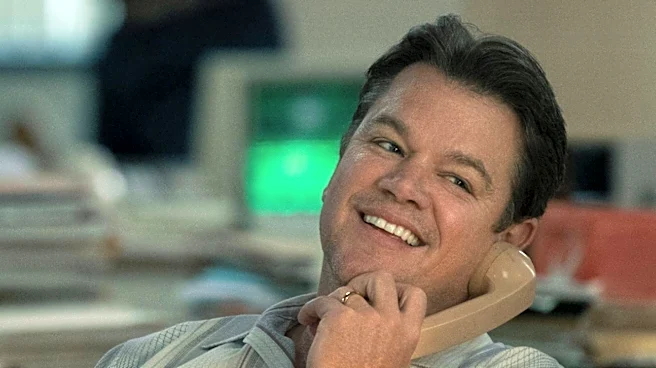
The film 'Good Will Hunting', released in 1997, remains a significant cultural touchstone, known for its exploration of mental health and the human condition. Written by Matt Damon and Ben Affleck, the film won two Oscars for Best Supporting Actor and Best Original
Screenplay. It tells the story of a janitor at MIT who is a mathematical genius, navigating personal trauma and relationships. The film's portrayal of therapy and emotional breakthroughs has sparked ongoing discussions about mental health representation in media.
Why It's Important?
'Good Will Hunting' continues to resonate due to its authentic depiction of mental health struggles and the therapeutic process. Its success paved the way for more nuanced portrayals of mental health in film, influencing both audiences and filmmakers. The film's accolades highlight the importance of character-driven narratives in cinema, demonstrating that stories centered on personal growth and emotional depth can achieve critical and commercial success. This legacy encourages the industry to prioritize meaningful storytelling over spectacle.
What's Next?
As 'Good Will Hunting' approaches its 30th anniversary, discussions about its impact on mental health representation are likely to resurface. The film's continued relevance may inspire retrospectives or special screenings, further cementing its place in cinematic history. Additionally, its success could motivate filmmakers to explore similar themes, contributing to a broader understanding of mental health in society.