








What's Happening?
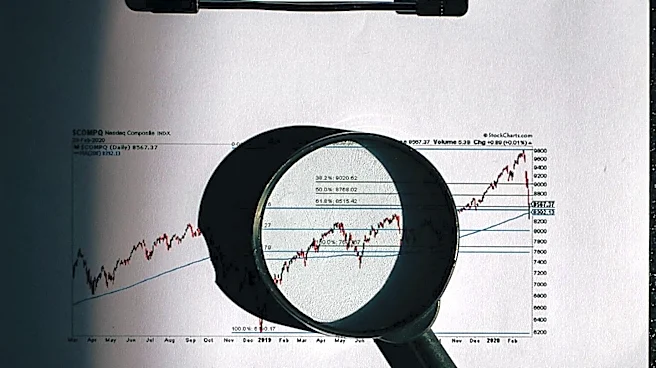
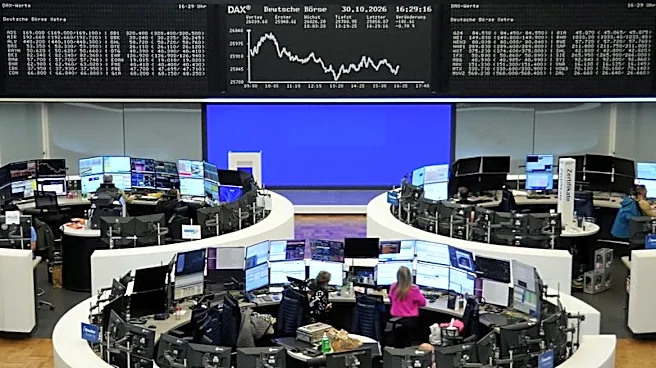
U.S. tech stocks experienced a significant downturn, pushing the Nasdaq-100 into correction territory, marking its first such close since July 29. The tech-heavy index closed 10.4% below its October 6 record. This decline followed a brief Monday morning
bounce that quickly reversed, with the Nasdaq falling 1.1% and the S&P 500 dropping 0.5%, marking their third consecutive decline and lowest closes since late July. The Philadelphia Semiconductor Index (SOX) plunged 3.4%, reaching its lowest close since April 29 and now stands 29.4% below its June 22 record. Concerns about the profitability of AI-related investments and the substantial cash burn by companies in the sector are cited as primary drivers for the sell-off. Analysts like Patrick O'Hare of Briefing.com noted investor unease regarding the AI boom and its connection to midterm elections, where opposition to data centers has become a campaign issue. This tech sector weakness occurred despite a rally in the broader market, with the equal-weight S&P 500 outperforming the cap-weighted index.
Why It's Important?
The tech sector's decline and the Nasdaq-100 entering correction territory signal a significant shift in investor sentiment, particularly concerning the sustainability and profitability of the artificial intelligence boom. This is crucial for the U.S. economy, as the tech industry has been a primary driver of market growth and innovation. A prolonged downturn could impact investment in new technologies, job creation within the sector, and overall market confidence. The concerns about companies 'burning through cash' for AI investments suggest a re-evaluation of valuations and future earnings potential, which could lead to a more cautious approach from venture capitalists and institutional investors. The connection between AI spending and midterm elections, where data centers have become a 'kitchen table issue,' highlights how technological advancements can intersect with local politics and public policy, potentially leading to regulatory scrutiny or community opposition that could affect tech companies' expansion plans. This market correction could also prompt a broader rotation of investments away from growth-oriented tech stocks towards more value-oriented sectors.
What's Next?
The market is bracing for a volatile week, with Tuesday being Election Day and several key economic data releases, including September JOLTS and factory orders, expected. Major tech companies like AMD, Amgen, Arista Networks, and Booking Holdings are scheduled to report earnings after the close, which will be closely watched for further insights into the tech sector's health and AI investment trends. Analysts like Matt Maley of Miller Tabak suggest that growing doubts about AI investment returns will likely be more influential than historical patterns in determining market direction. Investors will be looking for clarity on how companies plan to monetize their AI investments and whether the substantial capital expenditures will translate into sustainable profits. The outcome of the midterm elections could also introduce new policy uncertainties or provide more stability, depending on the results. A continued rotation out of tech into other sectors, as seen with the outperformance of the equal-weight S&P 500, may persist if concerns about tech valuations and AI profitability remain.
Beyond the Headlines
The current tech market correction, driven by skepticism about AI investment returns, could signify a broader re-evaluation of the 'growth at all costs' mentality that has often characterized the tech industry. This shift might lead to a greater emphasis on profitability and sustainable business models rather than just rapid expansion and market share. Ethically, the debate around AI's profitability and its societal impact, as evidenced by local opposition to data centers, raises questions about responsible innovation and the need for tech companies to address community concerns. Legally, increased scrutiny on data centers and AI infrastructure could lead to new regulations regarding energy consumption, land use, and data privacy. Culturally, if the AI boom falters or faces significant headwinds, it could temper public enthusiasm and investment in emerging technologies, potentially slowing down the pace of technological adoption in certain areas. This period of market adjustment could ultimately foster a more mature and sustainable approach to technological development and investment.