


What's Happening?
Sophia Space Inc., a venture-backed deep technology company, is actively recruiting a Senior Structural Analyst to join its engineering team in Pasadena, California. The company specializes in building high-performance, energy-efficient computing systems
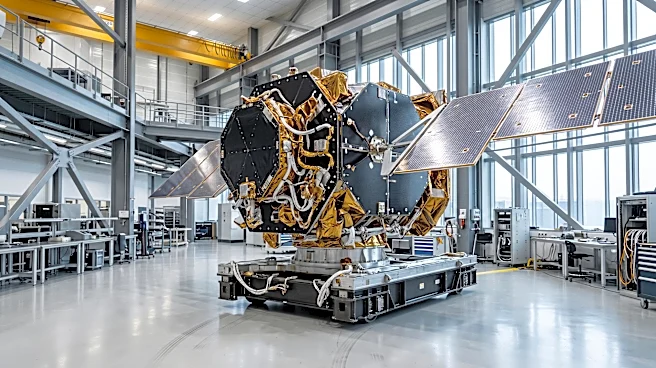
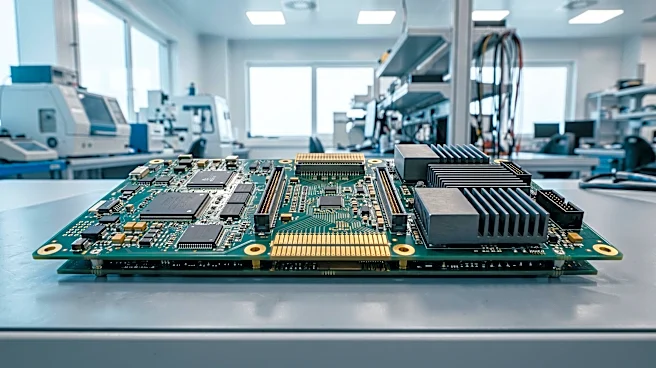
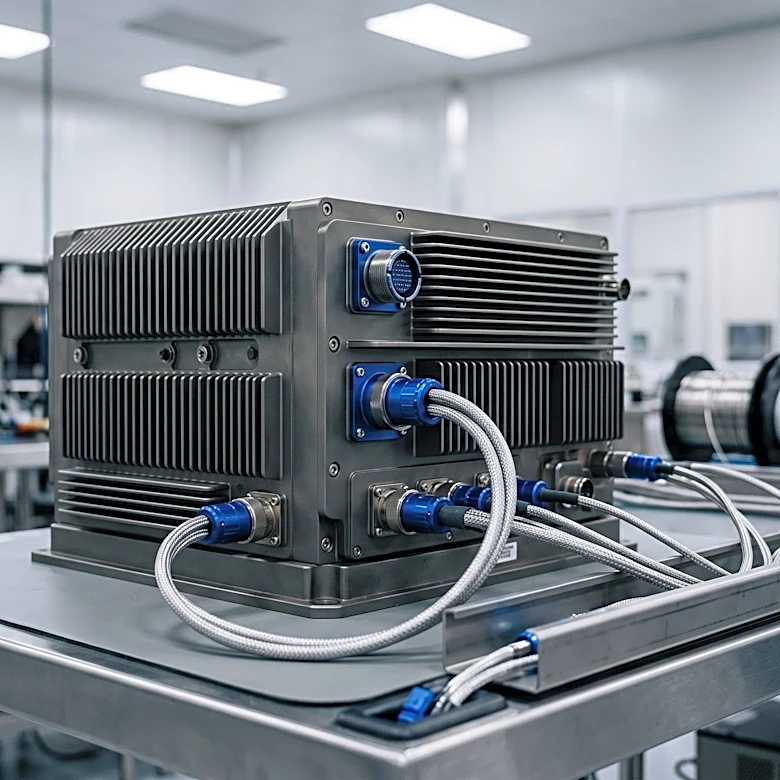
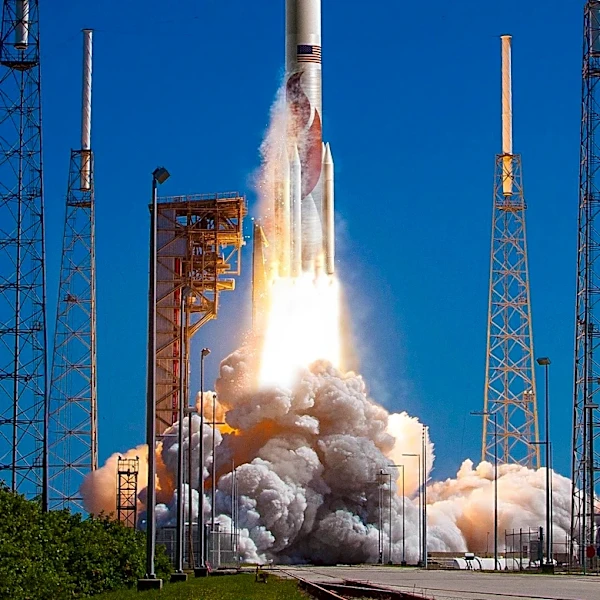
designed for orbital operation. This role is critical for ensuring the structural integrity of hardware that must withstand extreme conditions during launch, including broadband random vibration, significant separation shock, and high quasi-static loads. The Senior Structural Analyst will be responsible for developing design limit loads, conducting dynamics testing, performing detailed piece-part analysis, and analyzing avionics box and printed circuit board (PCB) level dynamics. The position requires expertise in structural analysis to optimize the trade-off between structural mass and computational capacity, ensuring the hardware is both robust and lightweight enough for space deployment. The company emphasizes leveraging modern AI tools throughout its development process to enhance productivity and accelerate learning.
Why It's Important?
This recruitment highlights the growing demand for specialized engineering talent in the U.S. aerospace and technology sectors, particularly in the burgeoning field of in-orbit computing. The development of robust computing systems for space has significant implications for national security, scientific research, and commercial applications, such as enhanced satellite communication, remote sensing, and advanced data processing capabilities in space. The ability to deploy powerful, resilient computing infrastructure in orbit could revolutionize how data is collected, processed, and utilized, reducing latency and increasing the efficiency of space-based operations. The role's focus on optimizing structural mass directly impacts mission costs and payload capacity, making it a critical factor in the economic viability of future space missions. Furthermore, Sophia Space's integration of AI tools in its engineering process signifies a broader industry trend towards adopting advanced technologies to streamline development and innovation in complex fields.
What's Next?
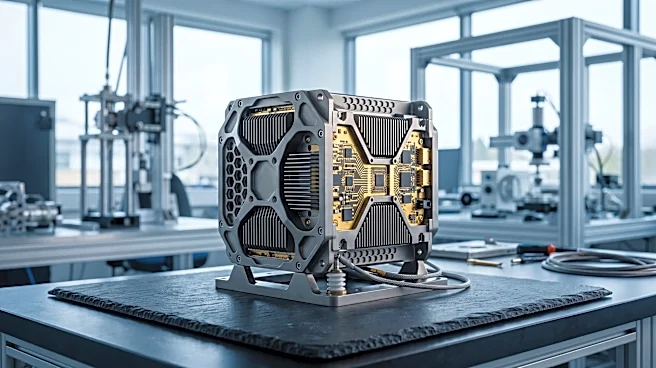
The successful candidate will lead structural analysis for Sophia Space's initial flight demonstration and subsequent missions. This involves delivering finite element models for coupled loads analysis (CLA), overseeing vibration and thermal environmental testing, and ensuring flight readiness. Beyond the first demonstration, the analyst will contribute to defining the structural architecture for larger modular systems composed of multiple 'TILEs'—one-meter-square units integrating compute, power, storage, and thermal control. The role also entails collaborating with launch service providers and customer reviewers to defend methodologies and results. The company anticipates 1 to 3 weeks of annual travel for CLA reviews and environmental test facilities. This hiring initiative is a key step in Sophia Space's strategy to scale its team and capabilities as it prepares for further growth and the deployment of its innovative space computing platforms.
Beyond the Headlines
The specialized nature of this role underscores the intricate challenges and high stakes involved in space engineering. The requirement for U.S. Person status due to export-control laws (ITAR and EAR regulations) highlights the strategic importance of space technology and the government's efforts to control its dissemination. This reflects a broader geopolitical context where technological leadership in space is increasingly seen as a critical component of national power and economic competitiveness. The emphasis on balancing structural integrity with weight constraints also points to the continuous innovation required in materials science and design methodologies to push the boundaries of what is possible in space. The company's commitment to using AI in its engineering workflow suggests a future where artificial intelligence plays an even more integral role in complex design, analysis, and decision-making processes within the aerospace industry, potentially leading to faster development cycles and more optimized designs.