


What's Happening?
MotoGP is set to implement comprehensive new regulations in 2027 that will drastically reduce the aerodynamic components, including winglets, on racing motorcycles. This marks a significant shift from the current era, where manufacturers have heavily
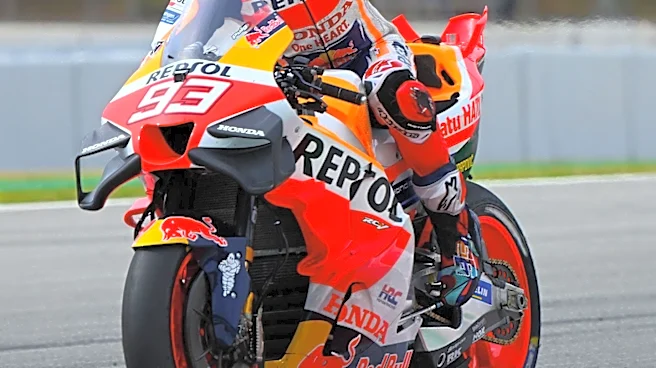
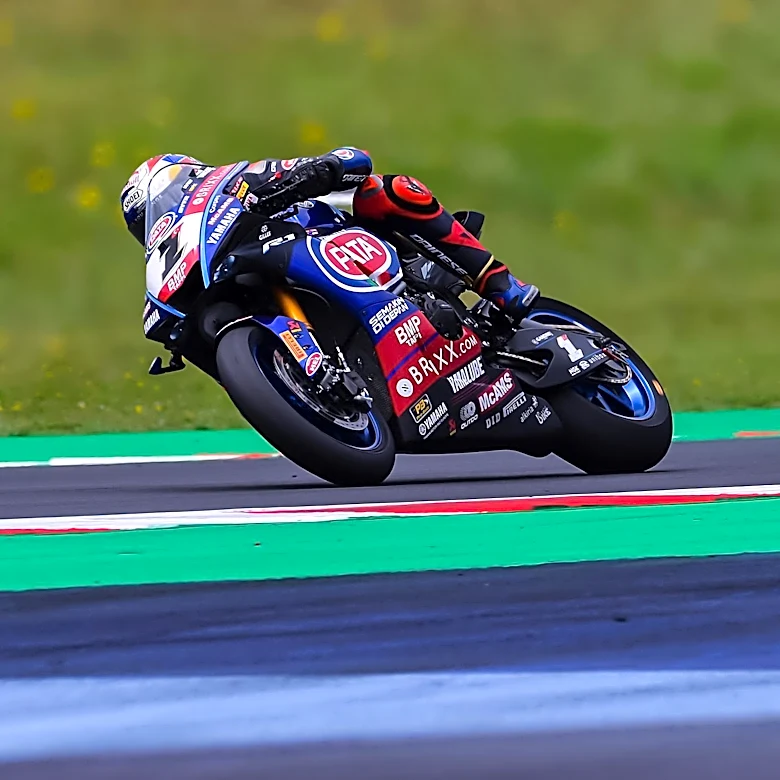
invested in F1-style aerodynamic packages featuring multiple winglet elements, complex fairing shapes, and air-channeling louvers. The current generation of MotoGP bikes, as seen in the 2026 season, utilizes winglets that generate substantial downforce—approximately 35-50kg at speeds up to 360km/h—to prevent wheelies, improve braking, and enhance stability. These aerodynamic devices, which became widespread after Ducati introduced them in 2015, have evolved significantly, even leading to a ban on protruding designs in 2017 due to safety concerns, only for engineers to reintroduce integrated winglets. The latest development, seat winglets, introduced by Aprilia in late 2025 and adopted by Honda, also faced safety debates but remained legal for the 2026 season before their expected elimination in 2027.
Why It's Important?
The impending aerodynamic changes in MotoGP are significant for several reasons. Firstly, they aim to rebalance the championship towards rider skill by reducing the performance advantages gained through expensive aerodynamic development. This could level the playing field among manufacturers and potentially lead to more competitive and unpredictable races. The current aerodynamic designs, particularly the 'dirty' airflows created by winglets, have been cited as causing instability for riders closely following others, impacting overtaking opportunities. By reducing these effects, the new rules could foster closer racing and more overtakes, enhancing the spectacle for fans. Furthermore, the ban on ride-height devices and holeshot systems, which work in conjunction with winglets, underscores a broader effort to simplify the technology and potentially reduce costs for teams, making the sport more sustainable in the long run. This shift could also influence motorcycle design and engineering strategies, pushing manufacturers to innovate in other areas to gain performance.
What's Next?
The 2026 MotoGP season will be the last to feature the current extensive aerodynamic configurations, including seat winglets and larger front-end winglets. Manufacturers will need to adapt their bike designs significantly for the 2027 season to comply with the new regulations. This will involve moving nose bodywork rearward, reducing maximum width, and eliminating specific aerodynamic appendages like seat winglets. The ban on ride-height devices and holeshot systems will also necessitate changes in how bikes manage launch and acceleration. Teams and engineers will likely focus on optimizing chassis, engine performance, and electronic systems to compensate for the reduced aerodynamic downforce. The impact of these changes will be closely watched by riders, teams, and fans, as it could alter racing dynamics, lap times, and the overall competitive landscape of MotoGP. The transition period will be crucial for manufacturers to develop and test their new compliant designs.
Beyond the Headlines
The move to reduce aerodynamics in MotoGP reflects a broader philosophical debate within motorsports about the balance between technological innovation and pure racing skill. While aerodynamics have pushed the boundaries of speed and performance, concerns about safety, cost escalation, and the impact on racing spectacle have grown. This regulatory shift could set a precedent for other racing series grappling with similar issues, potentially influencing future rule changes in disciplines where aerodynamic development has become dominant. Ethically, it raises questions about whether technological arms races ultimately detract from the core appeal of a sport. Legally, the FIM's intervention demonstrates the governing body's power to shape the sport's future, prioritizing safety and competitive balance over unchecked engineering pursuit. Culturally, it signifies a potential return to a more 'rider-centric' era, where individual talent and bravery might once again overshadow the technological prowess of the machines, potentially rekindling interest among purist fans.