


What's Happening?
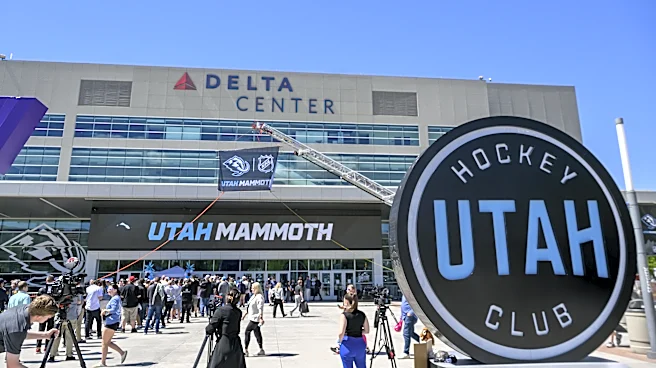
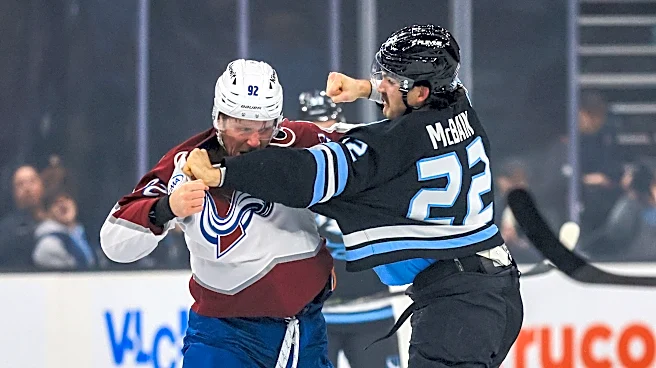
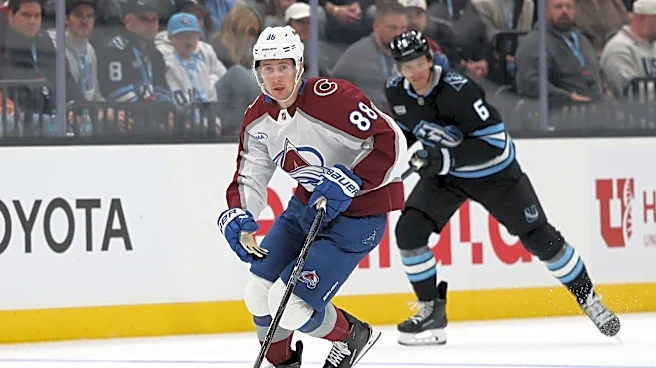
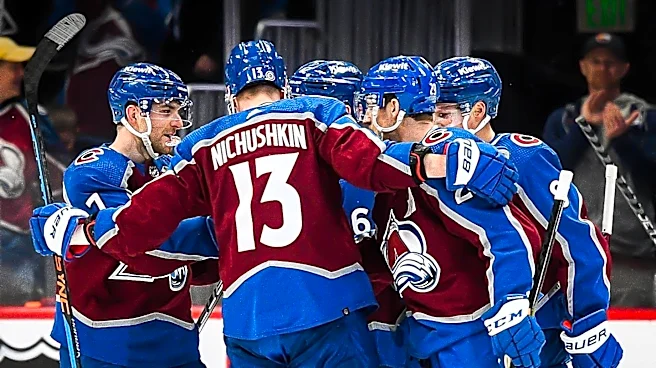
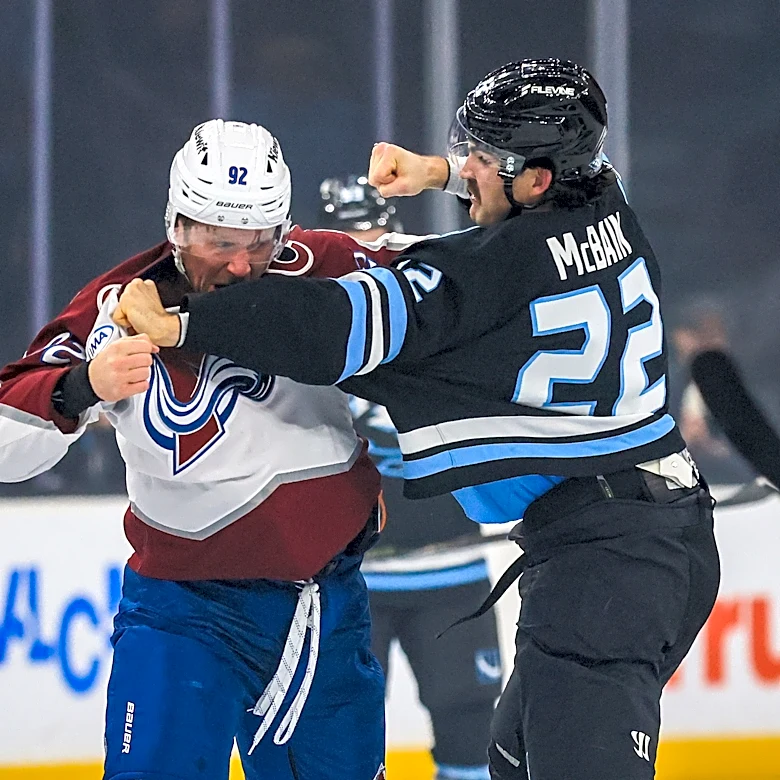
The Colorado Avalanche are set to play the Utah Mammoth in Salt Lake City on November 18, 2026. The Avalanche are currently on a five-game point streak, including a recent 4-1 victory over the Montreal Canadiens. However, they will be without key players
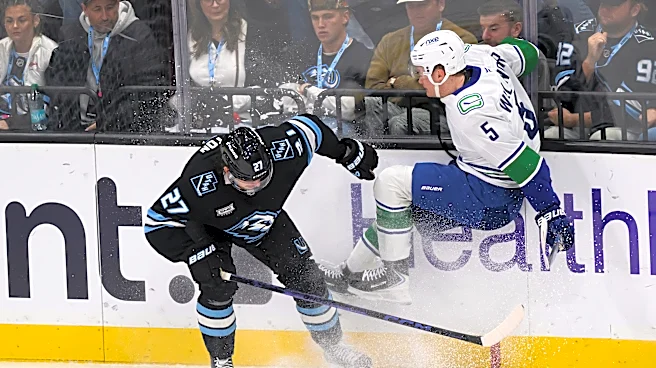
Nathan MacKinnon and Cale Makar due to lower-body injuries, with MacKinnon expected to miss about a month and Makar two weeks. Goaltender Scott Wedgewood is also day-to-day with an illness, making Mackenzie Blackwood the likely starter. The Utah Mammoth are struggling, having lost six consecutive games, including a 3-2 loss to the Vancouver Canucks. They are also dealing with significant injuries to players like Dylan Guenther, Nick Schmaltz, Nate Schmidt, and John Marino. Despite their slump, the Mammoth possess a dangerous power play, operating at approximately 34.7%, which is a concern for the Avalanche. This game marks the first of four regular-season meetings between the two Central Division rivals, with another notable matchup scheduled for the Winter Classic on December 31.
Why It's Important?
This matchup is significant as it tests the depth and resilience of both teams, particularly the Avalanche, who are missing two of their most impactful offensive players. For Colorado, maintaining their winning momentum without MacKinnon and Makar will demonstrate the strength of their supporting cast and coaching adjustments. Players like Artturi Lehkonen and Martin Necas will need to step up offensively. For the Mammoth, this game represents an opportunity to break their six-game losing streak against a formidable, albeit shorthanded, opponent. A win could provide a much-needed morale boost and help them climb out of their current slump. The game will also highlight the effectiveness of each team's special teams, with Utah's potent power play facing Colorado's penalty kill, and the Avalanche's power play looking to exploit Utah's struggling penalty kill. The outcome could influence standings within the Central Division as both teams vie for playoff positioning early in the season.
What's Next?
Following this game, the Colorado Avalanche will return home to face the Anaheim Ducks, completing a back-to-back series. The Avalanche will need to continue relying on their depth players to maintain their competitive edge while MacKinnon and Makar recover from their injuries. The performance of players like Artturi Lehkonen and Martin Necas will be crucial in sustaining offensive production. For the Utah Mammoth, the immediate focus will be on addressing their defensive struggles and penalty kill, which has been a significant weakness during their losing streak. They will also need to integrate their returning injured players effectively to regain form. Both teams will meet again on December 31 for the Winter Classic, a high-profile event that will add another layer of rivalry to their season series. The results of these early-season matchups could set the tone for their subsequent encounters and impact their respective playoff aspirations.
Beyond the Headlines
The current injury crisis for both the Avalanche and Mammoth underscores a broader challenge in professional sports: managing player health and maintaining performance through significant roster changes. For the Avalanche, successfully navigating this period without their stars could build team character and demonstrate the effectiveness of their player development and depth management strategies. It also provides an opportunity for lesser-known players to prove their value and secure more prominent roles. For the Mammoth, their extended losing streak, compounded by injuries, highlights the fragility of team momentum and the psychological impact of sustained poor performance. How they respond to adversity, both on and off the ice, could define their season. The reliance on special teams in this game also points to the increasing strategic importance of power plays and penalty kills in modern hockey, where even strength play can be neutralized by disciplined special teams units. The long-term implications for player health and injury prevention strategies within the NHL may also come into focus as teams grapple with the physical demands of a long season.