
What's Happening?
The Chicago Department of Public Health (CDPH) is actively working to reduce significant life expectancy disparities across the city by integrating 'blue zone' principles into its public health strategies.
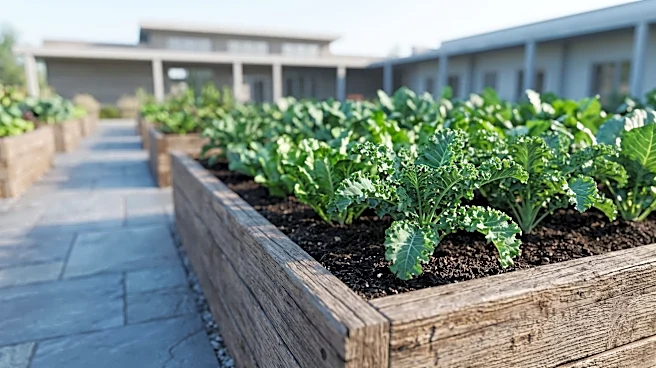
Life expectancy in Chicago varies drastically by neighborhood, with a nearly 20-year difference between areas like Englewood (69.9 years) and the Loop (88.2 years) as of 2024. This gap is further highlighted by an 11.4-year difference between Black and non-Black Chicagoans. Dr. Alex Sloboda, medical director at CDPH, identifies genetics, social determinants of health, environment, and individual behavior as key factors influencing longevity. The CDPH's Healthy Chicago 2025 Strategic Plan prioritizes areas like East Garfield Park and Englewood, focusing on community-led initiatives to address these disparities. Efforts include expanding access to public spaces, promoting natural movement, encouraging plant-based diets, and fostering social connections, all central tenets of blue zone philosophy. Programs like PlayStreets aim to create safe environments for physical activity in neighborhoods affected by gun violence, while partnerships with organizations like Grow Greater Englewood combat food insecurity by increasing access to fresh produce.
Why It's Important?
The initiative by the Chicago Department of Public Health is crucial for addressing systemic health inequities that have long plagued urban areas. By focusing on 'blue zone' principles, Chicago aims to shift from a reactive healthcare model to a proactive public health approach that emphasizes preventative care and community well-widebeing. The significant disparities in life expectancy underscore the impact of social determinants of health, such as income, housing, and community resources, on individual health outcomes. This effort could serve as a model for other U.S. cities grappling with similar issues, demonstrating how targeted interventions and community engagement can mitigate the effects of historical injustices and improve public health. Success in Chicago could lead to reduced chronic disease rates, improved mental health, and a more equitable distribution of health resources, ultimately fostering a healthier and more productive urban population. The emphasis on community voice in resource allocation is particularly important, ensuring that solutions are tailored to the specific needs of affected neighborhoods.
What's Next?
The Chicago Department of Public Health will continue to implement its Healthy Chicago 2025 Strategic Plan, with ongoing efforts to reduce the racial life expectancy gap. This includes further expansion of programs like PlayStreets, which aims to provide safe recreational spaces, and continued collaboration with community-based organizations such as Grow Greater Englewood to enhance food access. Grow Greater Englewood plans to open the Englewood Agro-Eco District, an urban agricultural zone, which will further support natural movement and access to healthy food. The CDPH will also likely continue to advocate for strong relationships between residents and primary care providers to manage genetic and lifestyle risks through routine screenings and chronic disease management. Future initiatives will focus on evaluating the effectiveness of these programs in improving health outcomes and life expectancy in priority areas, potentially leading to adjustments or expansions of successful strategies. The city's commitment to centering community members in decision-making suggests that future public health efforts will remain highly localized and responsive to community needs.
Beyond the Headlines
The Chicago initiative delves deeper than just health metrics, touching upon profound ethical and societal implications. The stark life expectancy disparities highlight the enduring legacy of racial segregation and systemic injustice, revealing how these historical factors continue to shape contemporary health outcomes. By adopting 'blue zone' principles, Chicago is not merely promoting healthy habits but is implicitly acknowledging the need for holistic community development that addresses environmental, social, and economic factors. This approach challenges the notion that health is solely an individual responsibility, emphasizing instead the collective responsibility of society and government to create equitable conditions for well-being. The focus on community voice and empowerment also signifies a shift towards more democratic and inclusive public health governance, potentially fostering greater trust between residents and public institutions. This long-term shift could redefine urban planning and public policy, integrating health equity as a core component of all civic development.