
What's Happening?
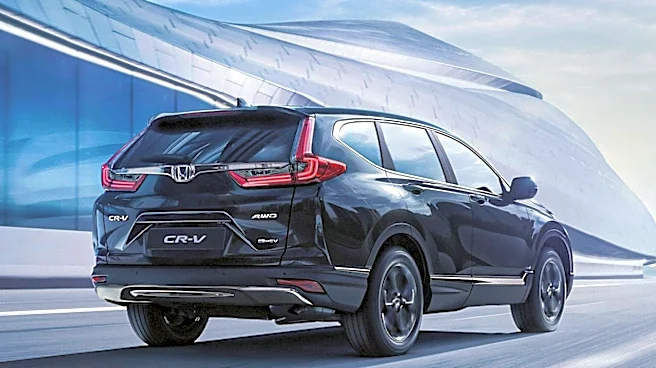
Honda has announced that the next-generation, 2028 Honda CR-V will be powered exclusively by an all-new two-motor Honda Hybrid system. This marks a significant shift for America's best-selling SUV, which
will debut a new platform, powertrain, and design next year. The 7th-generation CR-V is the first of several new hybrid models Honda plans to launch in North America by 2030. The new hybrid system aims to increase standard power and efficiency while maintaining the CR-V's value and versatility. The 2028 CR-V will introduce the next generation of the Honda Hybrid system, featuring enhanced performance and efficiency through advancements like an expanded engine operating range and increased driving efficiency of the hybrid unit. A newly developed electric AWD unit will also provide precise motor control. The CR-V will continue to be built in three North American plants, including the East Liberty Auto Plant in Ohio and the Indiana Auto Plant, using domestic and globally made parts. Honda has produced over 7 million CR-Vs in North America since 2006, with approximately half built in the U.S.
Why It's Important?
This strategic move by Honda underscores a broader industry trend towards electrification and hybrid technology, directly impacting the U.S. automotive market and manufacturing sector. By committing to an exclusive hybrid powertrain for its best-selling SUV, Honda is responding to and further driving the increasing consumer demand for more efficient vehicle options. This decision will likely accelerate the adoption of hybrid-electric vehicles in the U.S., influencing competitors and potentially shaping future product development across the automotive industry. The investment in U.S. manufacturing facilities, including the retooling of the Honda Transmission Plant in Ohio and the Anna Engine Plant, signifies a commitment to domestic production and job creation. This expansion of hybrid system production capacity by 250 percent in the coming years will benefit the U.S. economy by strengthening the automotive supply chain and fostering technological advancements within the country. Consumers stand to gain from more fuel-efficient and environmentally friendly vehicle options, while U.S. workers will benefit from increased manufacturing activity.
What's Next?
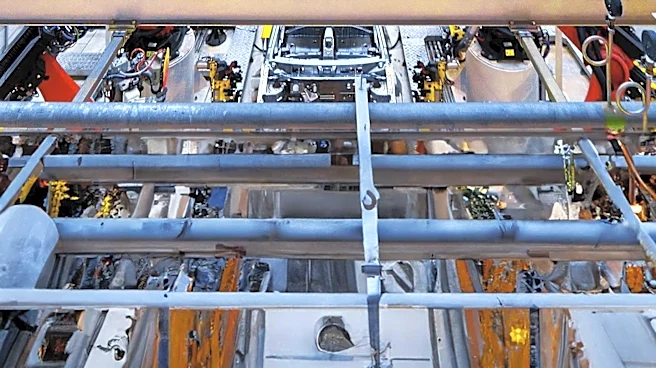
The 2028 Honda CR-V is set to arrive next year, marking the debut of its all-new hybrid powertrain and platform. This launch will be supported by Honda's ongoing investments in its U.S. manufacturing facilities, which are being retooled to produce next-generation hybrid systems and engines. The Honda Transmission Plant in Ohio (TMP-O) is increasing its hybrid system production capacity by 250 percent, and the Anna Engine Plant is retooling to produce the next-generation 4-cylinder Atkinson-cycle engine for the CR-V and other future North American-built vehicles. Honda aims to improve the fuel efficiency of the next-generation hybrid model by more than 10%. This initiative is part of Honda's broader strategy to launch several new hybrid models in North America by 2030, further solidifying its position in the hybrid market. The company also unveiled key technologies for a new large-size hybrid system in Japan, which will power future large models made exclusively in the U.S., including a newly developed V6 engine and drive units.
Beyond the Headlines
Honda's decision to make the CR-V exclusively hybrid reflects a significant shift in the automotive industry's approach to environmental sustainability and consumer preferences. This move goes beyond simply offering a hybrid option; it signals a full commitment to hybrid technology for a core product, potentially setting a precedent for other manufacturers. The emphasis on developing and producing these advanced hybrid systems within the U.S. highlights a strategic effort to localize critical components and intellectual property, reducing reliance on overseas supply chains and bolstering domestic technological capabilities. This could lead to a more robust U.S. automotive ecosystem, fostering innovation in hybrid and electric vehicle technologies. Furthermore, the focus on improving fuel efficiency by over 10% demonstrates a proactive stance on reducing carbon emissions and meeting evolving environmental regulations, which could influence public policy discussions around vehicle emissions standards and incentives for hybrid adoption. The long-term implications include a potential acceleration of the transition away from purely internal combustion engine vehicles in the U.S. market.