









What's Happening?
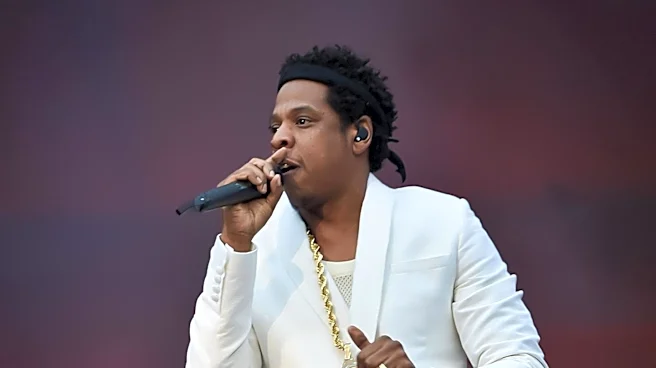
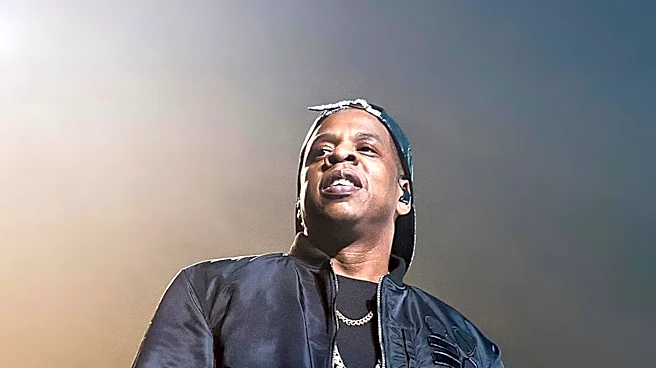
Jay-Z has responded to criticism regarding his partnership with Target during a freestyle performance at the opening night of his three-night residency at Yankee Stadium. The event marked the 30th anniversary of his debut album, 'Reasonable Doubt.' The rapper
faced backlash for releasing a Target-exclusive vinyl edition of the album, amid a boycott of the retailer over its rollback of diversity, equity, and inclusion initiatives. In his freestyle, Jay-Z addressed accusations of selling out, turning the criticism into a boast about selling out Yankee Stadium. He also challenged the selective outrage of consumers, questioning whether they also boycott other major corporations with controversial practices. The performance included appearances by Beyoncé, Blue Ivy, and Nas, adding to the event's significance.
Why It's Important?
This development highlights the ongoing tension between corporate partnerships and consumer activism, particularly within the Black community. Jay-Z's response underscores the complexity of navigating business relationships while maintaining community support. The controversy reflects broader debates about the role of consumer spending as a form of political action, especially in light of Target's reduced commitment to diversity initiatives. Jay-Z's comments also bring attention to the challenges of consistent consumer activism in a market dominated by a few powerful corporations. His involvement in criminal justice reform through the REFORM Alliance adds another layer to his public persona, balancing corporate interests with social advocacy.
What's Next?
The controversy surrounding Jay-Z's partnership with Target may prompt further discussions about the responsibilities of high-profile figures in supporting or challenging corporate practices. As the boycott against Target continues, there may be increased pressure on other celebrities and influencers to take a stand on similar issues. Additionally, Jay-Z's remarks could influence how other artists and public figures approach their business dealings, potentially leading to more transparent and socially conscious partnerships. The ongoing debate may also impact consumer behavior, as individuals reassess their spending habits in light of corporate actions.