



What's Happening?
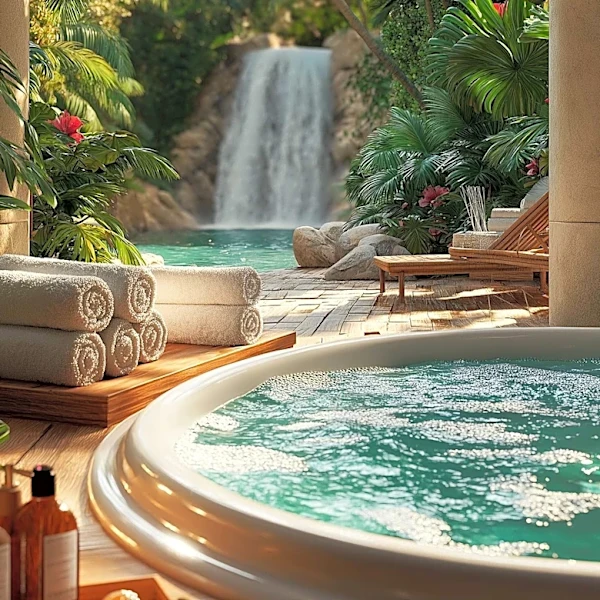
Wyoming is experiencing a significant surge in wellness tourism, with resorts, ranches, and spas increasingly offering health-focused activities. This trend is evident in offerings ranging from traditional Swedish massages and saunas to more modern 'bio-hacking'
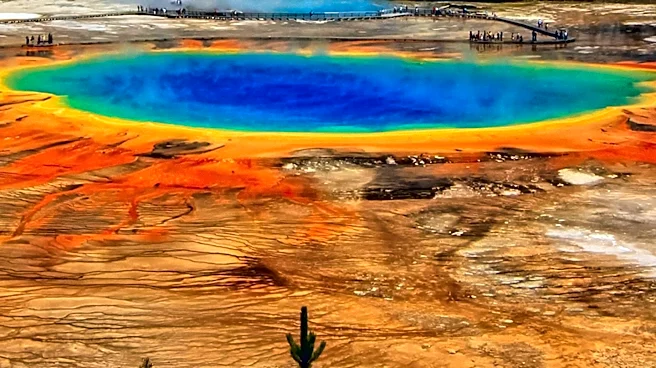
treatments. For instance, the new Hoback Club near Jackson features a multi-million dollar Himalayan salt room and a thermal circuit involving a 175-degree sauna followed by a 52-degree cold plunge, designed to shock the nervous system and reduce inflammation. Even more rustic options, like the Boyer YL Ranch, emphasize the healing power of nature through activities such as 'forest bathing' (long walks in the woods). The Wyoming Office of Tourism notes that while it doesn't track wellness tourism as a specific category, the demand for restoration and outdoor connection is increasingly visible, with 19% of travelers identifying mineral hot springs as a destination. This indicates a shift in traveler expectations, moving beyond traditional sightseeing to seeking experiences that promote reconnection with nature and personal restoration.
Why It's Important?
The rise of wellness tourism in Wyoming reflects a broader national and global trend where individuals are prioritizing health and well-being in their travel decisions. This shift has significant economic implications for the state, diversifying its tourism offerings beyond iconic attractions like Yellowstone National Park. By catering to this growing demand, Wyoming can attract a new segment of travelers willing to invest in high-end wellness experiences, potentially leading to increased revenue for local businesses, job creation in the hospitality and wellness sectors, and the development of new infrastructure. The emphasis on natural settings and outdoor activities also aligns with Wyoming's existing brand, enhancing its appeal as a destination for restorative travel. Furthermore, the integration of both luxury and more accessible wellness options means that a wider range of visitors can participate, contributing to a more robust and resilient tourism economy.
What's Next?
As wellness tourism continues to grow, Wyoming is likely to see further development and expansion of specialized health and well-being programs. This could include more resorts and ranches incorporating advanced wellness technologies and practices, as well as an increased focus on personalized wellness itineraries. There may also be a push for the Wyoming Office of Tourism to begin formally tracking wellness tourism as a distinct category to better understand its economic impact and tailor marketing efforts. Local communities and businesses might explore partnerships to create comprehensive wellness packages that combine various activities, from goat yoga and sound baths to high-tech recovery circuits. The success of current offerings, such as the Ember Lily Spa's recovery circuit and Brush Creek Ranch's diverse programs, suggests a positive outlook for continued investment and innovation in this sector, further solidifying Wyoming's position as a leading destination for wellness-focused travel.
Beyond the Headlines
The booming wellness tourism trend in Wyoming highlights a deeper societal yearning for 'reset' and 'restoration' in an increasingly fast-paced and stressful world. The appeal of activities like 'forest bathing' and 'sound baths' points to a desire for holistic healing that addresses mental and emotional well-being alongside physical health. This trend also underscores a growing skepticism towards conventional medicine for certain ailments, with individuals seeking alternative or complementary therapies rooted in nature and mindfulness. The willingness of travelers to pay premium prices for these experiences suggests a re-evaluation of what constitutes value in leisure travel, moving beyond mere entertainment to profound personal enrichment. This cultural shift could lead to a broader integration of wellness principles into everyday life, influencing urban planning, workplace policies, and individual lifestyle choices, as people seek to replicate the restorative benefits of their wellness travels in their daily routines.