








What's Happening?
IntelinAir, an agricultural artificial intelligence company, has expanded its lobbying representation in North Carolina by registering Deans Eatman of NC Capitol Strategies. Eatman, a former North Carolina deputy secretary of natural and cultural resources,
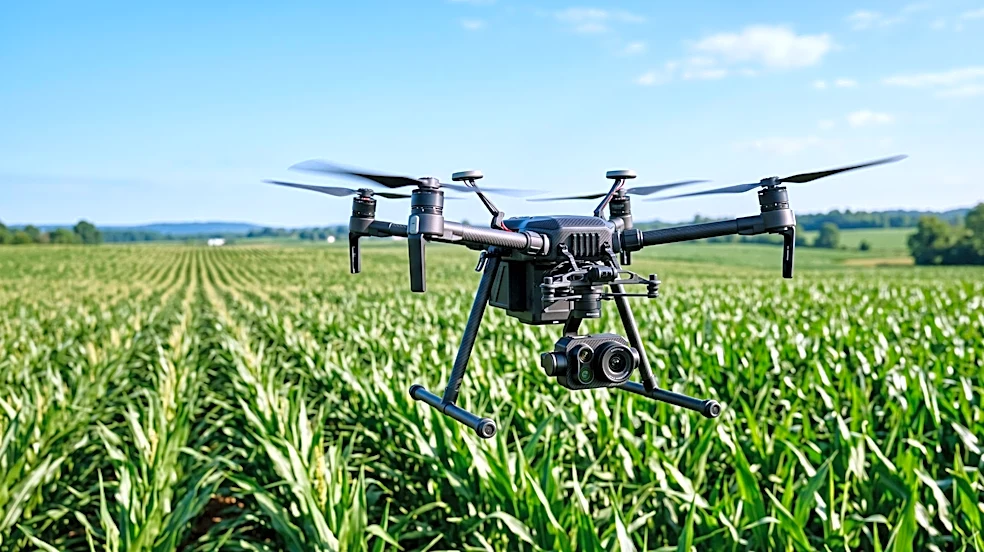
will join Anna Scott Marsh in representing IntelinAir. The company, founded in 2015 and headquartered in Indianapolis, develops AGMRI, a cloud-based platform that uses AI, aerial imagery, satellite data, soil characteristics, weather information, and historical crop performance to analyze field conditions. This technology helps growers and agricultural advisers make more precise decisions regarding planting, replanting, spraying, fertilization, and field management. IntelinAir also integrated an AI agent with GROWMARK's myFS Agronomy platform, combining its analytical technology with agronomic information from GROWMARK's crop specialists. The company's commercial objective is to help optimize agricultural yields and profitability.
Why It's Important?
This expansion of lobbying efforts by IntelinAir highlights the increasing integration of artificial intelligence into the U.S. agricultural sector. North Carolina represents a significant agricultural market, with annual industry activity valued at approximately $102 billion, making up about 13% of the statewide economic output. The state's vast soybean acreage, covering around 1.6 million acres annually, presents a substantial opportunity for technologies designed to analyze large areas and manage variable production costs. The involvement of a professional with Eatman's background in state government administration and legislative affairs suggests IntelinAir's intent to navigate policy questions related to farm data, AI, research funding, and technology adoption. This move could influence future agricultural technology legislation and shape how data-driven services are deployed, impacting farmers, agricultural organizations, and research institutions.
What's Next?
The immediate next step for IntelinAir will be to identify specific legislative or administrative objectives it intends to pursue through its expanded representation in Raleigh. While the registration establishes a new lobbying relationship, no corresponding requests for appropriations, grant funding, statutory changes, or regulatory relief have been identified yet. Potential areas of focus could include advocating for predictable rules regarding data collection and usage, securing support for technology evaluation or deployment, or fostering agricultural research partnerships. The company's choices will determine which state agencies, industry organizations, and lawmakers become directly involved. For North Carolina's agricultural institutions, this development signifies the entry of another technology company into the organized influence market surrounding a major state industry, potentially leading to discussions on data control, subscription costs, and the measurable returns of agricultural technology.
Beyond the Headlines
The deeper implications of IntelinAir's lobbying expansion touch upon the evolving landscape of agricultural policy and the ethical considerations surrounding data in farming. As AI systems become more prevalent, questions about who controls the information collected from farmlands and equipment, the transparency of recommendations generated by AI, and the independence of such systems will become increasingly critical. The commercial relationship between AI providers, agricultural advisers, and input distributors also raises questions about potential conflicts of interest, where recommendations could influence agricultural product sales. Furthermore, the role of public research institutions and universities in independently evaluating these technologies and educating producers will be vital to ensure that the financial value for farmers outweighs the cost of adoption and that the technology genuinely improves production economics.