





What's Happening?
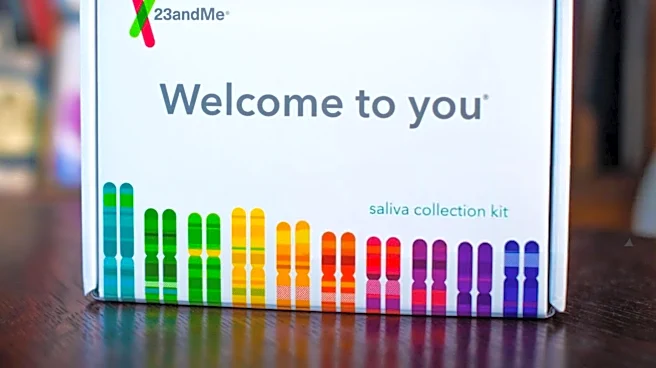
23andMe, the personal genomics and biotechnology company, filed for Chapter 11 bankruptcy in March 2025. This development followed a significant data breach that exposed the genetic information of approximately 6.9 million users. The breach, which occurred
due to credential stuffing attacks on about 14,000 accounts, was exacerbated by a product feature called 'DNA Relatives,' which allowed compromised accounts to access data from a much larger user base. In response to the breach, 23andMe initially attributed some responsibility to users for 'negligently recycled' passwords and implemented mandatory two-factor authentication only after the incident. Following the bankruptcy filing, around 1.9 million customers, representing about 15% of its user base, requested the deletion of their genetic data. A bankruptcy judge subsequently approved the sale of 23andMe to a nonprofit organization led by its co-founder for $305 million, a fraction of its previous public market valuation.
Why It's Important?
The bankruptcy and subsequent sale of 23andMe highlight the critical impact of data security and customer trust on business viability, particularly in sensitive sectors like genetic data. The incident demonstrates how a security lapse, combined with a perceived inadequate corporate response, can lead to a rapid erosion of customer confidence and significant financial repercussions. The mass deletion requests by customers directly reduced the company's core asset—its genetic data—making it less valuable during the bankruptcy proceedings. This case serves as a stark reminder for companies handling personal data about the importance of robust security measures, transparent communication during breaches, and proactive customer protection. The decline in valuation from public markets to a $305 million sale underscores the severe financial penalties for failing to maintain trust and data integrity.
What's Next?
The sale of 23andMe to a nonprofit led by its co-founder suggests a potential shift in the company's operational focus, possibly prioritizing research or public good over commercial profitability. The new ownership will face the challenge of rebuilding trust with former and potential customers, especially given the significant data deletions and the negative publicity surrounding the breach and bankruptcy. The future of 23andMe's services and its approach to data privacy under nonprofit leadership will be closely watched by the industry and privacy advocates. The incident may also prompt increased scrutiny from regulators regarding data handling practices in the genetic testing industry, potentially leading to new compliance requirements or stricter enforcement of existing privacy laws.
Beyond the Headlines
The 23andMe case extends beyond typical business failures, touching upon profound ethical and societal implications related to genetic privacy. The exposure of sensitive genetic data for millions of individuals raises questions about the long-term security of such information and the potential for misuse. The company's initial response, placing blame on users, also highlights a broader debate about corporate responsibility versus individual accountability in cybersecurity. This event could influence consumer behavior, making individuals more hesitant to share their genetic information with commercial entities, thereby impacting the growth and innovation within the personal genomics sector. It also underscores the inherent value of data as an asset and how its perceived integrity directly correlates with market valuation and business sustainability.