







What's Happening?
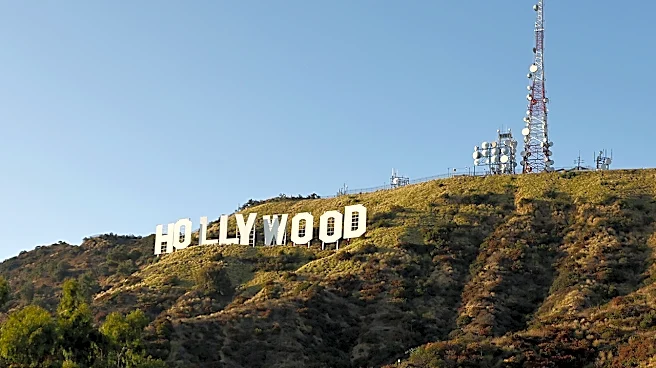
The popular reality competition series, American Idol, is moving its production from Los Angeles to Georgia for its 25th season, scheduled to air in 2027. This significant location change was reported by Deadline and confirmed by Fremantle, the production company
behind the show. While virtual auditions for Season 25 have already commenced, in-person auditions typically film in October or early November. The show's previous season, Season 24, saw its post-audition Hollywood Week round move to Nashville, though live shows remained in Los Angeles. This relocation follows a trend of reality television productions seeking more favorable financial conditions outside of California. The move is primarily driven by Georgia's attractive tax credits for unscripted and reality television programs, which offer up to 30% for productions spending at least $500,000 in the state. This makes American Idol the latest reality show to depart Los Angeles, with 'The Masked Singer' having previously moved to New Jersey for similar reasons.
Why It's Important?
This relocation highlights a growing trend in the entertainment industry where production companies are increasingly prioritizing financial incentives offered by various states. Georgia's tax credit program, providing up to 30% for unscripted shows, makes it a highly competitive location for television production. This shift could lead to a significant economic boost for Georgia, creating jobs and stimulating local businesses that support the film and television industry. Conversely, Los Angeles, historically a hub for entertainment production, is experiencing a decline in reality television filming. FilmLA reported a 62.7% drop in reality television production in Los Angeles over the past five years. California's recent introduction of tax credits for unscripted productions, which only apply to shows with budgets exceeding $1 million per episode, has proven insufficient to retain programs like American Idol, which reportedly do not meet this criterion. This situation underscores the intense competition among states to attract and retain media productions, impacting local economies and employment opportunities within the entertainment sector.
What's Next?
As American Idol prepares for its 25th season in Georgia, the immediate next steps involve finalizing a deal with a studio complex in the Atlanta area, as Fremantle is currently in negotiations. The show will proceed with its in-person auditions in the new location, likely in October or November. While the judging panel for Season 25 has not been officially confirmed by ABC, Deadline reports that Carrie Underwood, Luke Bryan, and Lionel Richie are expected to return. The success of American Idol's relocation could further encourage other unscripted and reality television programs to consider moving their productions to states offering more substantial tax incentives. This trend may prompt California legislators to re-evaluate their tax credit policies to better compete with other states and prevent further exodus of productions from Los Angeles. The long-term impact could see a more decentralized entertainment production landscape across the U.S., with new regional hubs emerging.
Beyond the Headlines
The migration of major television productions like American Idol from traditional centers like Los Angeles to states offering significant tax incentives reveals a deeper economic and policy challenge within the U.S. entertainment industry. This trend is not merely about cost-saving but reflects a strategic realignment of production logistics in response to state-level economic development initiatives. It raises questions about the sustainability of entertainment industry ecosystems in historically dominant regions and the potential for new cultural and economic centers to emerge. The ethical implications of such moves include the impact on local crews and support industries in areas losing productions, as well as the potential for 'race to the bottom' scenarios where states continuously outbid each other with tax breaks. This shift could also influence the creative landscape, as different regional environments might subtly shape the content and style of productions. Ultimately, it highlights the complex interplay between economic policy, industry practices, and regional development in the modern media landscape.