








What's Happening?
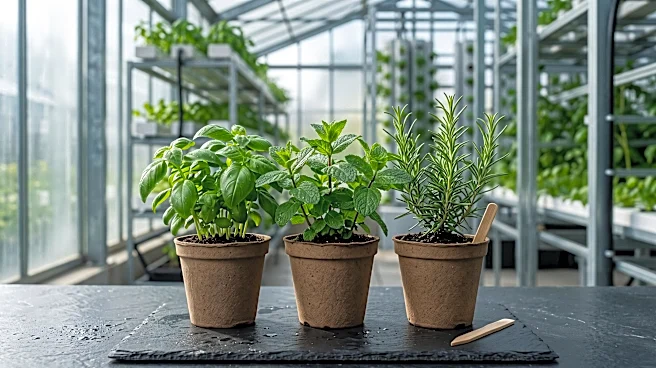
Edible Garden AG Incorporated, a leader in controlled environment agriculture (CEA), has announced a significant expansion of its distribution capabilities. The company will now serve as the primary supplier of fresh-cut and potted herbs at UNFI's Mid-Atlantic
distribution center. This expanded arrangement will make Edible Garden's organic and sustainably grown herbs available in over 1,500 retail stores across the Mid-Atlantic region. The move is part of Edible Garden's strategy to broaden its retail distribution and increase consumer access to its products. The company emphasizes its Zero-Waste Inspired® mission and Farm-to-Formula® platform, which focus on improving operational efficiency, reducing food waste, and delivering sustainably grown produce. Edible Garden operates state-of-the-art, vertically integrated greenhouses and processing facilities in Grand Rapids, Michigan; Webster City, Iowa; and Belvidere, New Jersey, and also collaborates with contract growers near major U.S. markets. The company holds patents for its GreenThumb software and Self-Watering display technology, as well as three patents in advanced aquaculture technologies.
Why It's Important?
This expansion is important for the U.S. agricultural and retail sectors as it signifies a growing trend towards sustainable and locally sourced produce. By becoming the primary supplier for UNFI's Mid-Atlantic distribution center, Edible Garden strengthens its market position and enhances its ability to meet consumer demand for fresh, organic herbs. This move could lead to increased competition in the fresh produce market, potentially benefiting consumers through wider availability and more sustainable options. For Edible Garden, it represents a substantial increase in reach and revenue potential, reinforcing its business model centered on controlled environment agriculture and waste reduction. The partnership also highlights the increasing importance of efficient distribution networks in bringing specialized agricultural products to a broader retail audience, impacting supply chain logistics and potentially influencing other producers to adopt similar sustainable practices.
What's Next?
Following this expansion, Edible Garden is likely to focus on optimizing its supply chain and production to meet the increased demand from the 1,500+ Mid-Atlantic retail stores. The company's CEO, Jim Kras, indicated that this expanded relationship reinforces their ability to support major distribution partners with high-quality, locally grown herbs, suggesting further potential partnerships or expansions in other regions. Edible Garden's ongoing efforts to strengthen its growing, fulfillment, and retail distribution network, supported by its Zero-Waste Inspired® mission, will continue. The company is also expanding its Prairie Hills facility in Webster City, Iowa, into a dedicated ready-to-drink (RTD) clean nutrition manufacturing hub, indicating a future diversification into higher-margin, shelf-stable nutrition categories. This suggests a strategic move to leverage its agricultural expertise into new product lines, which could further impact its market presence and financial performance.
Beyond the Headlines
This development underscores a broader shift in consumer preferences and the retail landscape towards transparency, sustainability, and local sourcing in the food industry. Edible Garden's emphasis on its Zero-Waste Inspired® mission and patented technologies like GreenThumb software and Self-Watering displays points to the increasing integration of technology and environmental consciousness in modern agriculture. This approach not only addresses food waste but also aims to reduce food miles, contributing to a lower carbon footprint. The company's foray into advanced aquaculture technologies and ready-to-drink nutrition manufacturing suggests a holistic vision for sustainable food production and consumption, moving beyond traditional produce to encompass a wider range of health-conscious products. This could set a precedent for other agricultural companies to adopt more integrated and sustainable business models, influencing long-term trends in food production, distribution, and consumer health in the U.S.