

What's Happening?
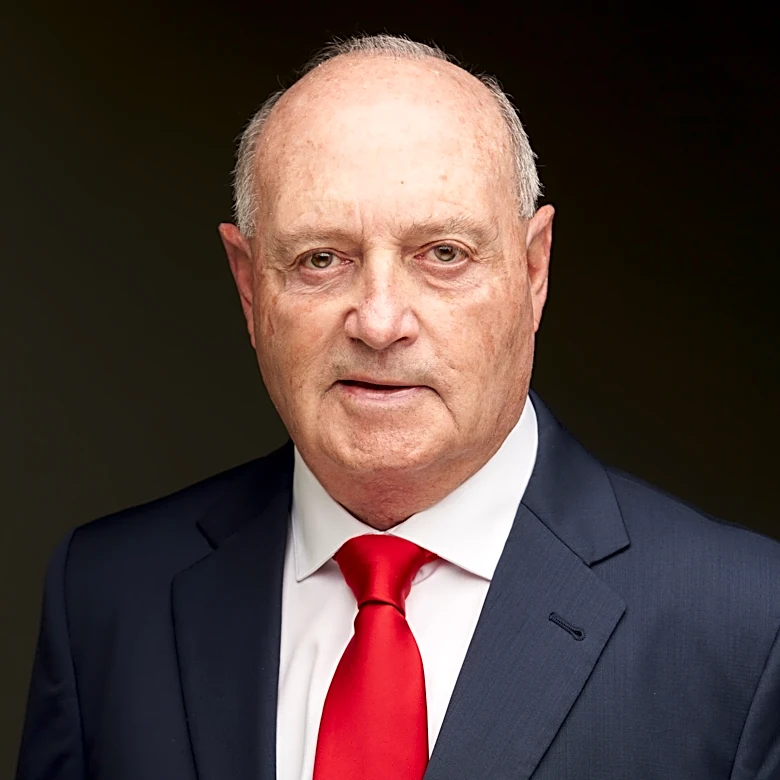
The Russian Export Center (REC), part of the VEB.RF Group, has expressed significant interest in the single market of the Alliance of Sahel States (AES), which includes Burkina Faso, Mali, and Niger. Pavel Shibilov, Head of International Development at REC,
highlighted this interest during the Russia–Burkina Faso: Towards a Sustainable Strategic Partnership forum on September 26. Shibilov noted that the governments of these Sahel nations are reorienting their foreign policy and increasing cooperation with Russia, presenting a fast-growing market for Russian businesses. Despite challenges related to payment systems, particularly Burkina Faso's use of the CFA franc, REC is actively working to facilitate trade. One key tool mentioned is 'Planeta,' a marketplace platform developed by JSC Roseximbank (part of REC Group) that enables alternative payments and secure settlements for Russian exporters working with partners in the Sahel region. This platform allows clients to compare terms from accredited agents and automatically selects the most advantageous solution for each payment, ensuring transparency for regulatory authorities. Burkina Faso's Prime Minister Rimtalba Jean Emmanuel Ouédraogo had previously called for accelerating the creation of a single market within the AES to remove trade barriers.
Why It's Important?
The Russian Export Center's focus on the Alliance of Sahel States underscores a broader geopolitical and economic shift in the region. As Burkina Faso, Mali, and Niger pivot away from traditional Western partners like France and strengthen ties with Russia, new avenues for trade and investment are emerging. For the U.S., this development signifies a potential reduction in its influence and that of its allies in a strategically important part of Africa. The establishment of a single market within the AES, coupled with Russian support, could create a formidable economic bloc that operates outside the traditional financial systems dominated by Western powers. This could impact U.S. businesses by increasing competition from Russian enterprises and potentially complicating existing trade relationships or investment opportunities in the region. The 'Planeta' platform, designed to circumvent conventional payment challenges, highlights Russia's efforts to build independent financial infrastructure, which could further insulate these economies from Western sanctions or financial leverage. This reorientation could also have long-term implications for regional stability and security, as economic ties often intertwine with political and military alliances.
What's Next?
The Russian Export Center plans to continue its intensive work to foster cooperation with the Alliance of Sahel States. This will likely involve further promotion and refinement of alternative payment solutions like the 'Planeta' platform to overcome existing financial hurdles. The call by Burkina Faso's Prime Minister for the AES countries to accelerate the creation of a single market suggests that efforts to remove internal trade barriers will intensify. This could lead to more streamlined trade processes and increased economic integration among Burkina Faso, Mali, and Niger, making the region even more attractive for Russian investment and trade. We can anticipate further discussions and agreements aimed at solidifying economic partnerships between Russia and the AES, potentially including infrastructure projects, resource extraction deals, and expanded trade in various sectors. The success of these initiatives will depend on the ability of the AES to effectively integrate their economies and for Russia to provide reliable and sustainable economic support, potentially leading to a more robust and independent economic bloc in the Sahel.
Beyond the Headlines
The growing economic engagement between Russia and the Alliance of Sahel States extends beyond mere trade figures; it represents a strategic realignment with significant geopolitical implications. This shift challenges the established global economic order and the influence of Western institutions. By offering alternative financial mechanisms and fostering a single market, Russia is not only securing new markets for its goods and services but also building a sphere of influence that could counter Western dominance. This move could empower the AES nations to assert greater autonomy on the international stage, potentially leading to a more multipolar world order. However, it also raises questions about the long-term sustainability and ethical implications of such partnerships, especially given the human rights concerns raised by organizations like Amnesty International regarding Russian security partners in the region. The development of independent payment systems could also set a precedent for other nations seeking to reduce their reliance on Western financial infrastructure, potentially fragmenting the global financial system and creating new challenges for international economic governance and oversight.