




What's Happening?
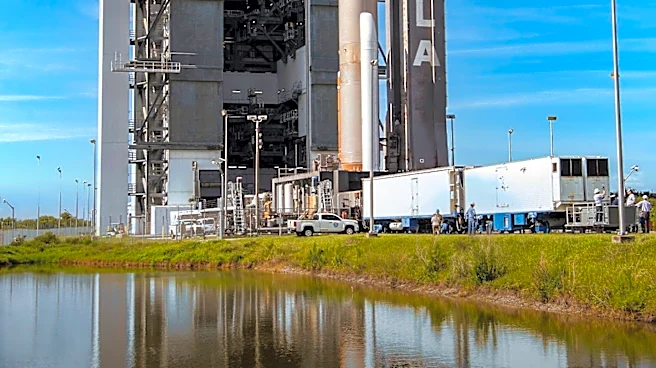
United Launch Alliance's (ULA) Vulcan rocket suffered a critical anomaly approximately 10 minutes into its mission on Sunday, resulting in the loss of 40 Amazon.com Inc. satellites it was carrying into orbit. The failure occurred during Vulcan's first
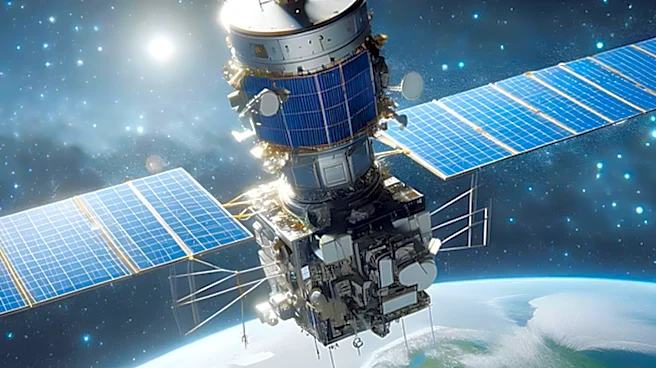
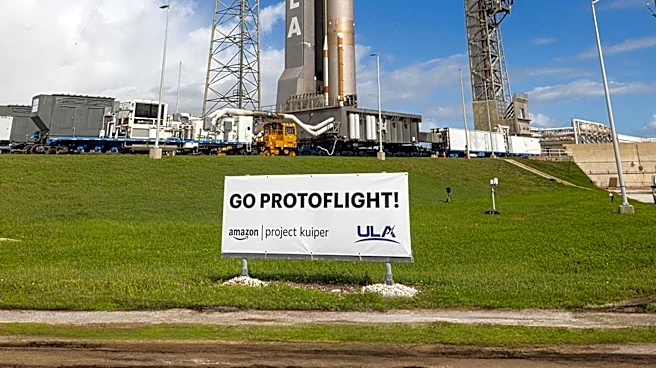
flight since February, which had been delayed due to a problem with one of its solid rocket boosters. This incident marks ULA's first total mission loss since its formation in 2006 and is a significant setback for the company, a joint venture between Boeing and Lockheed Martin. The lost satellites were intended for Amazon's Project Kuiper, a low-Earth-orbit broadband network designed to compete with SpaceX's Starlink.
Why It's Important?
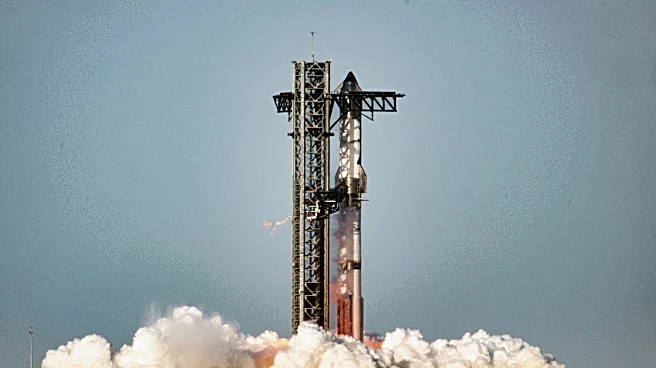
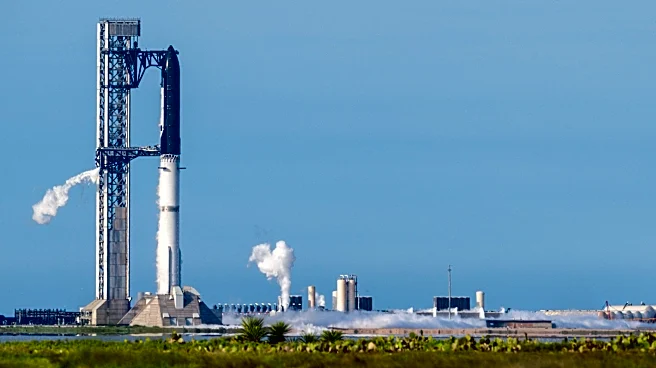
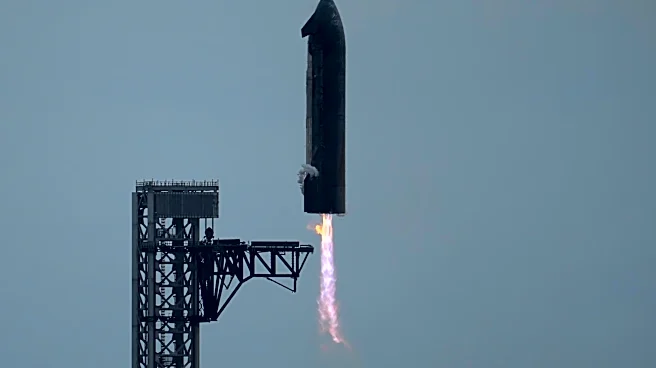
This rocket failure is a major blow to ULA, a company that has historically been a reliable launch provider for national security missions. It exacerbates the challenges faced by an industry already struggling with a shortage of rockets to meet the booming demand for satellite constellations. For Amazon, the loss of 40 satellites, while not catastrophic to its overall Project Kuiper plans, will cause delays in its efforts to begin commercial operations and challenge SpaceX's dominance in the satellite internet market. The incident also underscores the intense competition and high stakes in the space launch sector, where reliability and cost-effectiveness are paramount. The failure stands in stark contrast to SpaceX's recent Starship success, further highlighting the divergent trajectories of these major players.
What's Next?
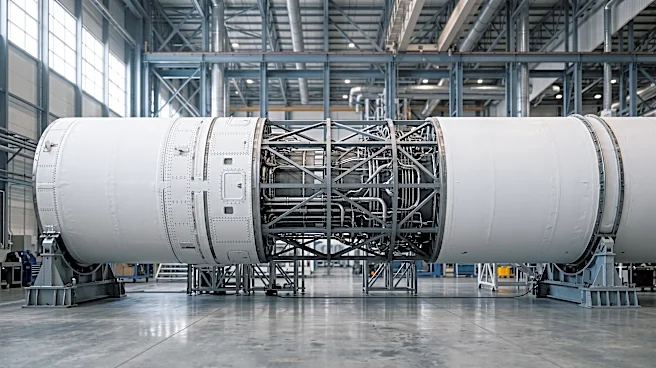
ULA has stated it will work closely with Amazon and other relevant organizations to determine the cause of the anomaly and implement corrective actions to return to flight as quickly as possible. The company currently lacks sufficient data to pinpoint the exact cause. The investigation will focus on potential issues with Vulcan's upper stage, known as Centaur, or the BE-4 main engine supplied by Blue Origin. If the Centaur component is implicated, it could have repercussions for NASA's Artemis missions, which plan to use a version of Centaur. This setback will likely lead to further delays for Amazon's Project Kuiper, impacting its timeline for commercial service. The incident also provides an opportunity for SpaceX to further solidify its market position as rivals face technical challenges and launch delays.
Beyond the Headlines
The Vulcan rocket failure highlights the inherent risks and complexities of space launch technology, even for established players with long track records of success. This event could trigger a broader re-evaluation of supply chain dependencies within the space industry, particularly concerning critical components like engines. The shared BE-4 engine between Vulcan and Blue Origin's New Glenn rocket means the investigation's findings could have wider implications for other launch providers. Furthermore, the incident underscores the strategic importance of resilient and diversified launch capabilities for national security and commercial interests. As the demand for satellite services continues to grow, the ability of companies to consistently and reliably deliver payloads to orbit will be a defining factor in their success and the overall advancement of space-based technologies.