






What's Happening?
Dr. Savita Srivastava, a Sentara-based adult gastroenterologist, has authored 'First 1000 Days: How Your Baby’s Gut Microbes Shape Lifelong Health,' a new book focusing on the critical role of the infant gut microbiome in preventing chronic diseases.
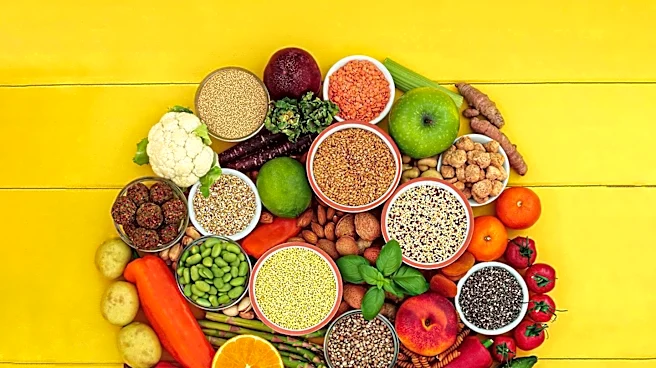
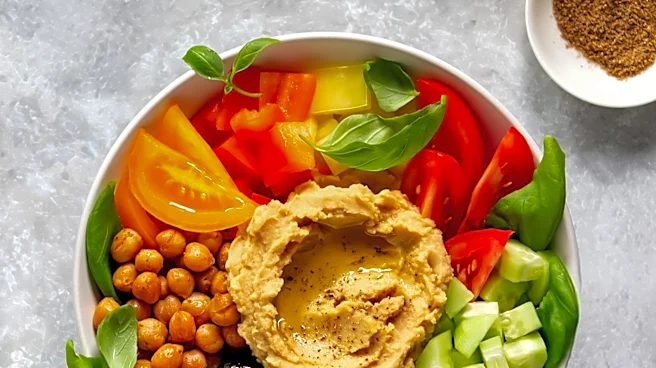
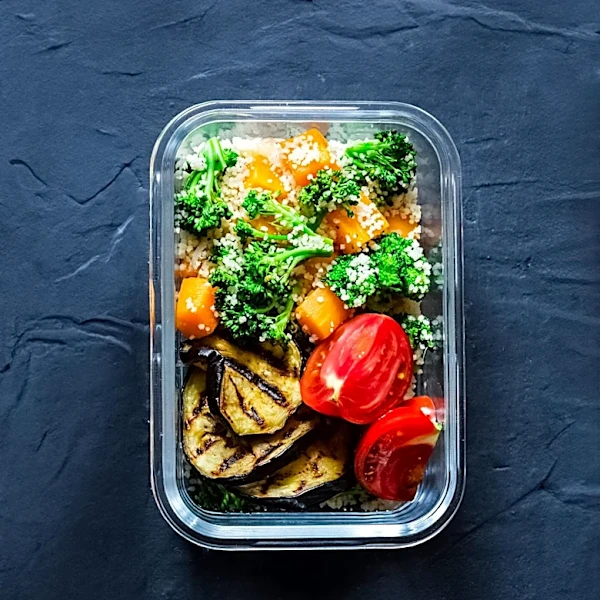
The book emphasizes that a child's lifelong health is significantly influenced by the development of a healthy gut microbiome during the first three years of life. Dr. Srivastava advocates for a 're-wilding' of a child's internal landscape to restore biodiversity, contrasting the Standard American Diet (SAD) with its low fiber and high fat/sugar content, against the benefits of a Mediterranean Diet. The Mediterranean Diet, rich in fresh fruits, vegetables, fish, nuts, seeds, olives, and beans, is recommended for its fiber content and ability to diversify the microbiome. The book also highlights the importance of probiotics and prebiotics from fermented foods and cautions against the overuse of antibiotics, which can disrupt the microbiome. It provides practical advice on how to 'seed, feed, grow, and diversify' the microbiome, aiming to empower parents with science-backed strategies for their children's health.
Why It's Important?
This book is important because it translates complex scientific understanding of the gut microbiome into actionable advice for parents, potentially shifting the paradigm from disease treatment to early prevention. The emphasis on the Mediterranean Diet and whole foods aligns with growing public health recommendations for improved nutrition, offering a practical guide to combat the rising rates of childhood diseases and chronic illnesses in adults. By focusing on the 'first 1000 days,' the book underscores a critical window of development where dietary choices can have long-lasting impacts on immunity, metabolism, and brain development. The insights provided could lead to a more informed approach to infant nutrition and care, potentially reducing the burden of conditions like food allergies, asthma, obesity, and inflammatory bowel disease. The book's accessible format aims to empower families, particularly in the U.S., where the SAD is prevalent, to make dietary and lifestyle choices that foster a robust and diverse microbiome from an early age.
What's Next?
The book, 'First 1000 Days,' is the first in a planned series, suggesting that Dr. Srivastava intends to continue sharing insights on microbiome health across different life stages. This initiative could lead to broader public awareness and adoption of microbiome-friendly dietary practices, particularly the Mediterranean Diet, among new and expectant mothers. Healthcare providers, especially pediatricians and gastroenterologists, may increasingly incorporate these principles into their patient education. The book's emphasis on early prevention could also influence public health campaigns and nutritional guidelines, encouraging a shift towards whole, unprocessed foods and mindful antibiotic use. As more families adopt these strategies, there could be a measurable impact on the prevalence of chronic diseases in future generations, potentially leading to a healthier population and reduced healthcare costs in the long term.
Beyond the Headlines
Beyond its immediate practical advice, Dr. Srivastava's book delves into the deeper implications of the human microbiome, defining it as a 'new organ' and a unique identifier more specific than human genes or fingerprints. This perspective highlights a fundamental shift in understanding human biology, where the ecosystem of microbes within us is recognized as a key influencer of overall health and development. The book touches upon the 'brain-gut-microbiome axis,' underscoring the bidirectional flow of information between the brain and gut, which is crucial for early neurodevelopment. This understanding could foster new research avenues into neurological and psychological conditions, linking them to gut health. Furthermore, the book's advocacy for 'lifestyle medicine'—encompassing nourishing food, physical activity, stress management, sleep, and social connections—promotes a holistic view of health that extends beyond mere dietary changes, encouraging a comprehensive approach to well-being from infancy.