
What's Happening?
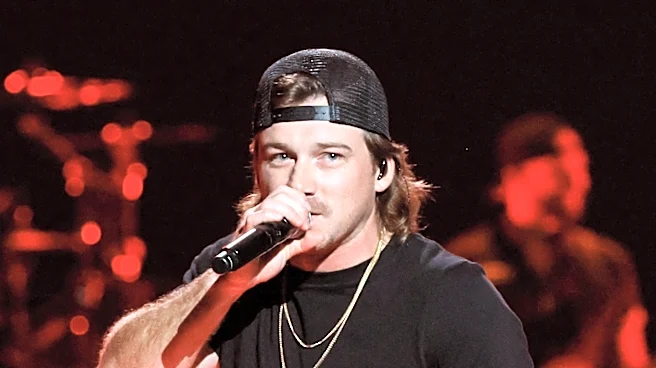
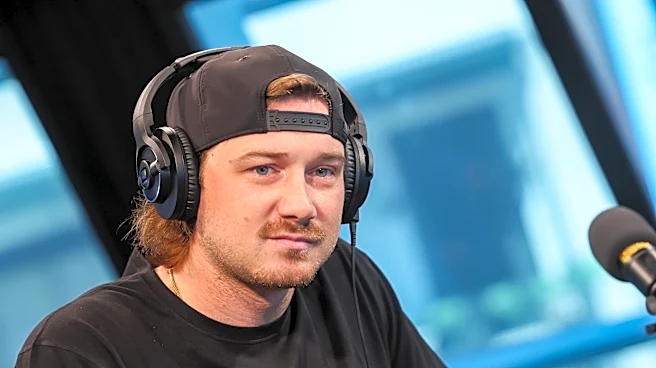
Several unreleased songs attributed to country music star Morgan Wallen have recently surfaced on TikTok and YouTube, generating hundreds of thousands of views and excitement among fans. At least eight
such tracks have been posted over the past week, claiming to be leaks from an unannounced upcoming album. However, there is no official acknowledgment from Morgan Wallen or his team regarding these 'leaks.' A strong suspicion exists that these songs may be AI-generated rather than genuine unreleased material. This theory is supported by the fact that most of these purported songs are not registered in Songview, a database used by performing rights organizations like BMI and ASCAP to track music for royalty collection. While some comments suggest a computerized sound, it is noted that Wallen's music often incorporates technology like autotune, making it difficult for some listeners to distinguish between autotune and AI generation. One track, 'In That Case,' was previously recorded by Payton Smith in 2023, though not by Wallen himself.
Why It's Important?
This situation highlights a growing challenge within the music industry concerning intellectual property, artist likeness, and the proliferation of AI-generated content. The potential for AI to create convincing imitations of artists' voices and styles poses a significant threat to artists' livelihoods and creative control. If these tracks are indeed AI-generated, it demonstrates how easily fans can be misled, leading to confusion and potentially devaluing an artist's authentic work. For the music industry, it underscores the urgent need for robust detection mechanisms and clear labeling of AI-generated content to protect artists and consumers. The lack of official response from Wallen's team, while understandable given the potential for AI, leaves fans in limbo and allows the speculative nature of these 'leaks' to persist, further complicating the landscape of music distribution and consumption.
What's Next?
The immediate next steps involve potential actions from Morgan Wallen's team to address the authenticity of these tracks. This could include official statements clarifying whether the songs are genuine leaks or AI-generated, and potentially issuing takedown notices to platforms hosting the content if they are indeed unauthorized AI creations. The broader music industry will likely continue to grapple with the implications of AI, pushing for legislative and technological solutions to protect artists' rights and prevent fraudulent content. This includes advocating for federal right of publicity laws in the U.S. and developing more sophisticated automated detection tools. Platforms like TikTok and YouTube may face increased pressure to implement stricter policies regarding AI-generated music and to provide clearer labeling for such content.
Beyond the Headlines
The emergence of AI-generated 'leaks' like these points to a deeper ethical and legal dilemma in the digital age. It blurs the lines between genuine artistic creation and synthetic imitation, challenging traditional notions of authorship and authenticity. The ease with which AI can mimic an artist's voice raises questions about the future of music production, fan engagement, and the very definition of an 'artist.' This trend could lead to a future where distinguishing between human-created and AI-created content becomes increasingly difficult, impacting not only the music industry but also other creative fields. It also highlights the power of social media platforms in disseminating content, whether authentic or not, and the responsibility they bear in moderating such material. The long-term implications could include a shift in how artists protect their brand and how intellectual property laws adapt to rapidly evolving AI capabilities.